





What Is a Warm Air Humidifier and How Does It Work?
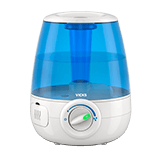
A warm air humidifier adds moisture by heating water and releasing warm vapor into a room. Inside, a heating element brings water to a high temperature; the resulting mist then enters the surrounding air. Some models allow users to add medication, but features vary, so check the manufacturer’s instructions. The heat changes the experience: mist feels warm near the outlet, and the unit may use more electricity than an evaporative model. It does not, however, guarantee healthier air.
Humidity needs a ceiling. The U.S. Environmental Protection Agency’s guidance on mold and moisture recommends keeping indoor relative humidity below 60 percent, ideally between 30 and 50 percent. A small hygrometer can show whether a bedroom is too dry—or already damp. That detail matters. Excess moisture can encourage mold, especially near cold windows, exterior walls, or a damp corner behind furniture.
Building scientist Joseph Lstiburek emphasizes moisture control in building design. Applied to humidifiers, his principle is simple: adding moisture helps only when indoor levels remain controlled. That is a paraphrase of his broader guidance, not a product endorsement. A warm air humidifier can make winter air feel less harsh, but it also contains hot water and heated parts. Place it on a stable, clear surface, clean it as directed, and keep it away from children and pets. One caveat is easy to miss: comfort is not proof that humidity is right. Measure it. Then adjust. Even careful owners can overlook a damp sill.
What Defines a Warm-Air Humidifier and How Does It Heat Water?
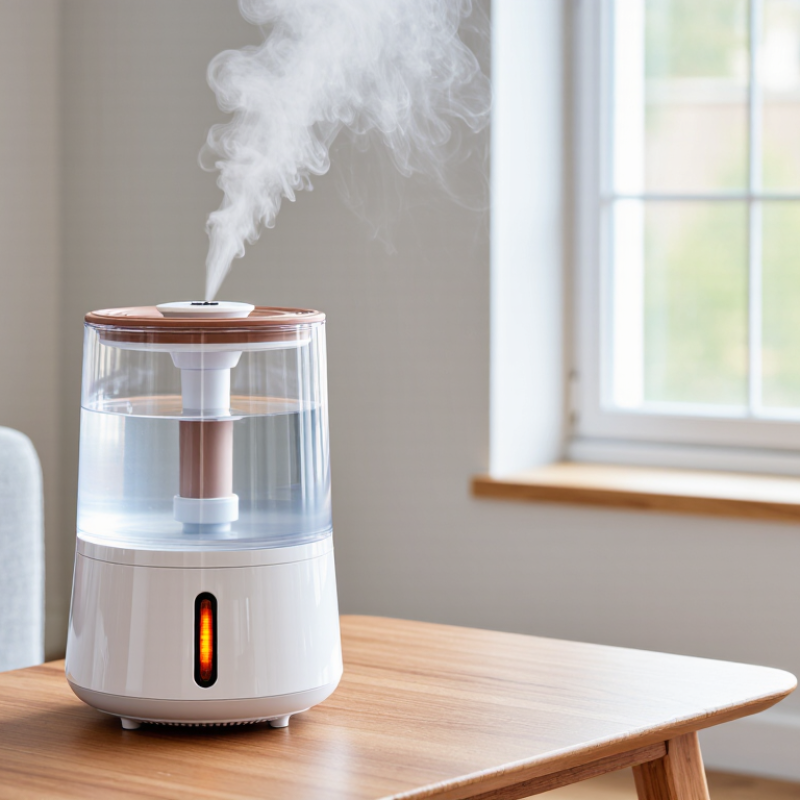
A warm-air humidifier, often called a warm-mist humidifier, heats water and releases the resulting vapor into a room. Inside, a heating element brings water close to boiling. The vapor rises through an outlet and cools as it mixes with indoor air. That heating process defines the device. A small detail matters: the water reservoir still needs routine cleaning, and hot parts can cause burns if handled too soon.
The U.S. Environmental Protection Agency’s A Brief Guide to Mold, Moisture and Your Home recommends keeping indoor relative humidity between 30% and 50%. A simple hygrometer can help check whether added moisture is appropriate; cold windows or damp surfaces may signal excess humidity. Heat can reduce many microbes in the water, but it does not remove minerals or make maintenance unnecessary. I would not assume that warmer mist always means better comfort. Room size, ventilation, and existing moisture all affect the result.
What Is a Warm Air Humidifier and How Does It Work? - What Defines a Warm-Air Humidifier and How Does It Heat Water?
| Dimension | Description | Practical Detail |
|---|---|---|
| Definition | A warm-air humidifier, commonly called a warm-mist humidifier or vaporizer, adds moisture to indoor air by heating water and releasing water vapor or warm mist. | It differs from an evaporative humidifier, which typically uses a fan to move air through a wet wick or filter without heating the water. |
| How it heats water | An electrical heating element warms water held in the unit’s reservoir or heating chamber. Depending on the model, the water may be heated close to boiling or brought to a boil. | Heating methods and operating temperatures vary by design; not every warm-mist model operates in exactly the same way. |
| How moisture enters the room | Water vapor or fine warm droplets leave through an outlet. As the moisture mixes with room air, it cools toward the surrounding air temperature. | The humidifier adds water to the air; it does not function as an air conditioner or a room-heating system. |
| Main components | Common parts include a water reservoir, heating element or chamber, mist outlet, controls, and safety features such as automatic shutoff. | Components and controls differ between models, so the product instructions should be followed. |
| Humidity control | Moisture output raises indoor relative humidity. Some units provide adjustable output or a humidistat; others require the user to monitor room humidity separately. | Indoor humidity is commonly kept around 30%–50%; excessive humidity can encourage condensation and mold growth. |
| Mineral deposits | Minerals in tap water may remain in the heating chamber as scale after water evaporates. | Regular cleaning helps manage scale. Water recommendations vary by model, so check the manufacturer’s care instructions. |
| Safety considerations | The heating element and hot water can cause burns, and warm mist can create a scalding hazard if a unit is tipped or handled improperly. | Place the unit on a stable surface away from children, pets, and walkways; allow it to cool before cleaning or refilling. |
| Typical use | It is used to increase indoor humidity when the air is dry, such as during dry indoor conditions. | It should be cleaned and used according to its instructions; a humidifier does not replace medical treatment or ventilation. |
Related Posts
-
2026 Top Warm Humidifier Types for Buyers Worldwide?
-
2025 Top 10 Warm Mist Humidifiers for Optimal Comfort and Health Benefits
-
7 Tips for Buying a Small Warm Mist Humidifier
-
2026 Top Small Warm Mist Humidifier Types for Global Buyers
-
How to Choose the Best Warm Mist Humidifier in 2026?
-

Best Hot Mist Humidifier for Optimal Home Comfort?