
2026 Top Warm Humidifier Types for Buyers Worldwide?

In 2026, choosing a warm humidifier means matching its heating method to the room, the user, and the routine. Buyers will encounter steam vaporizers, warm-mist models, and hybrid units that combine warm and cool output. Their differences matter. A bedroom unit should be quiet and easy to clean; a larger model may need a bigger tank and simpler refill access. Small details count. A handle that stays cool, a stable base, and clear low-water indicators can make daily use less fussy.

Indoor-air researcher and HVAC engineer Dr. William Bahnfleth is known for work on building air quality. A useful buying principle, consistent with that work, is: “Choose humidity control for measured room conditions, not for a product label.” This is an editorial summary, not a verbatim quotation. Buyers should compare adjustable output, automatic shutoff, maintenance instructions, and the maker’s stated room-size guidance. A built-in humidistat can help regulate output, but it does not replace checking the room’s actual humidity. Too much moisture can encourage condensation on cold windows and may create other indoor-air concerns. More steam is not always better.

This guide introduces the main warm humidifier types and the trade-offs behind them. It also considers energy use, refill frequency, cleaning effort, and safety features. Product descriptions can sound reassuring. Real homes are less tidy. Room size, insulation, and habits all affect performance, so the best choice may require a little trial and reflection.
2026 Top Warm Humidifier Types for Buyers Worldwide?

What Defines a Warm Mist Humidifier?

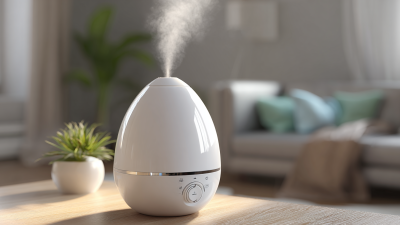
A warm mist humidifier heats water until it becomes steam, then releases the vapor into the room. That heating step distinguishes it from cool mist models, which disperse water without boiling it. Warm vapor may feel comforting on a chilly evening, but it does not necessarily humidify a room faster or more evenly. Room size, airflow, and the unit’s output still matter. The mist can also condense on nearby cold surfaces, so placement deserves attention.

Inside, a heating element warms water in a reservoir or small boiling chamber. Many models include an automatic shutoff when water runs low, though users should check the manual and keep the unit level. Steam outlets and heated water can cause burns. Keep the appliance out of children’s reach, away from bedding, and clear of curtains. Small details matter.

Tips: Set the humidifier on a stable, water-resistant surface, with open space around the outlet. Clean and descale it as directed; mineral buildup can reduce performance. A hygrometer helps track indoor humidity, since running any humidifier too much may leave windows damp. For a more useful reading, place the meter away from the mist. It is easy to overlook that.

How Warm Mist Humidifiers Heat and Disperse Water

How Warm Mist Humidifiers Heat and Disperse Water

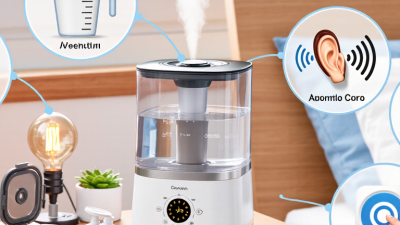
A warm mist humidifier uses an internal heating element to raise the water’s temperature. In many models, water is heated until it produces steam. The steam travels through a cooling path or outlet before entering the room as warm mist. Design varies, so check the product manual for how a particular unit handles water and vapor. Unlike ultrasonic models, warm mist units rely on heat rather than rapid vibration. A faint bubbling sound may be normal. Heating can also leave mineral deposits inside the chamber, especially when tap water is hard. That part is easy to overlook.

Tips: Place the unit on a level, water-resistant surface, away from bedding and busy walkways. Keep it out of children’s reach because hot water and steam can cause burns. Clean the tank and heating chamber as directed, and unplug the unit before handling it. A simple hygrometer can help you monitor room humidity; too much moisture may encourage condensation on cold windows. Room conditions differ, so a setting that feels comfortable in one space may not suit another.

Main Warm Humidifier Types Available in 2026

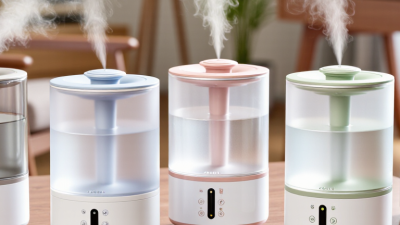
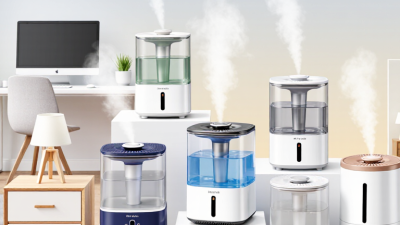
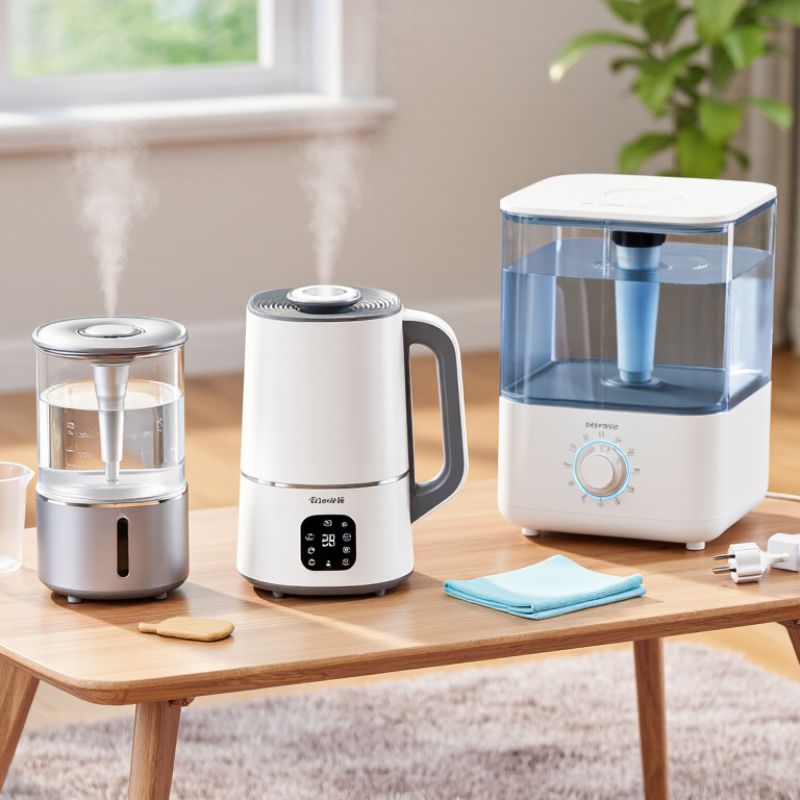
Warm humidifiers in 2026 generally fall into two practical categories: steam vaporizers and warm-mist units with adjustable settings. Steam vaporizers heat water until it becomes vapor, then release moisture into the room. Their output can feel noticeable beside a bed on a dry winter night. The process also uses heat, so placement matters. Keep the unit on a stable surface, away from children, pets, and bedding.

Some warm-mist models offer selectable output levels or combine warm mist with a cool-mist mode. These can suit households that want more control as room conditions change. Look for clear instructions on tank capacity, cleaning, and replacement parts. Mineral deposits can collect around heating elements, especially when tap water is hard. A small brush may help, but follow the maker’s cleaning guidance. No type is maintenance-free.

Buyers should compare noise, running costs, and how easily the water tank can be handled. A heavy, awkward tank is easy to underestimate. I would also check whether the unit shuts off when empty and whether its controls are simple to use at night. Those details matter more than a long feature list. Warm mist is not automatically the right choice for every room, and personal preference can be a little hard to predict until the unit is used.

Comparing Warm Humidifiers by Room Size and Use

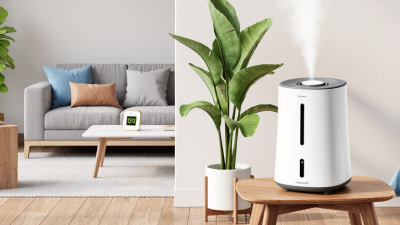
Room size should guide warm humidifier selection more than appearance. For a small bedroom or nursery, a compact unit can add moisture without overwhelming the space. In a larger living room, a higher-output model may be more suitable, especially when doors open frequently. Check the rated coverage area, then consider ceiling height, insulation, and how quickly the room dries. Coverage figures are useful, but real homes vary. A chilly corner can stay dry even when the room feels comfortable.

Use matters, too. A bedroom unit should run quietly and have a tank large enough for the night; otherwise, frequent refills become annoying. For occasional use in a small office, simple controls and easy cleaning may matter more than maximum output. The U.S. Environmental Protection Agency advises keeping indoor relative humidity between 30% and 50% to help limit mold and dust mites. A small hygrometer can help buyers avoid guessing. Too much moisture is not better. Warm mist can also feel intense in a small, closed room, so monitor humidity and follow the unit’s care instructions. Ratings do not capture every draft, habit, or damp window. That part takes observation.

2026 Top Warm Humidifier Types for Buyers Worldwide? - Comparing Warm Humidifiers by Room Size and Use

Use room area as a starting point, not a guarantee: actual coverage depends on ceiling height, ventilation, climate, and the appliance’s rated moisture output. Warm-mist units heat water and release steam; their hot surfaces and steam can cause burns.

Type / format Indicative room size Common use Advantages Points to consider Buyer checklist
Compact warm-mist humidifier Small rooms: about 10–20 m² (110–215 sq ft) Personal use in a small bedroom, study, or nursery when placed well away from children. Small footprint; often straightforward to move and refill. Usually needs more frequent refilling than larger-capacity models. Hot steam makes placement especially important. Check tank capacity, automatic shutoff, stable placement, and whether the unit is suitable for the room’s area.
Standard tabletop warm-mist humidifier Small to medium rooms: about 15–30 m² (160–320 sq ft) Bedrooms or home offices where a single-room appliance is sufficient. A practical balance of size and runtime; many models offer adjustable settings. Runtime varies with tank size and output setting. Regular cleaning is needed to limit scale and microbial buildup. Compare rated coverage, output, refill frequency, cleaning access, and available replacement parts.
Large-tank warm-mist room humidifier Medium to larger rooms: roughly 25–45 m² (270–485 sq ft), if supported by the model’s rating Living areas or larger bedrooms that need longer operation between refills. A larger reservoir can reduce refill frequency; some models include a humidistat or low-water shutoff. A larger tank does not by itself guarantee greater room coverage. The appliance can be heavy when filled. Prioritize the manufacturer’s area and output ratings, easy-to-clean surfaces, and safe, level placement.
Steam vaporizer Typically a single small room; follow the unit’s stated coverage Localized, intermittent use where a simple heated-water appliance is preferred. Uses heat to produce vapor; operation and maintenance are generally simple in design. Boiling water and hot vapor present a burn risk. It is generally unsuitable where children or pets can reach it. Check child-safety guidance, shutoff features, cleaning instructions, and whether additives are explicitly permitted.
Warm-mist humidifier with humidistat Room size depends on the appliance’s rated coverage; commonly chosen for bedrooms or living rooms. Use where automatic humidity control is more useful than manual on/off operation. A built-in humidistat can help regulate operation toward a selected humidity level. Sensor readings may differ from conditions elsewhere in the room. Excess humidity can encourage condensation and mold growth. Look for adjustable settings and verify room humidity with a separate hygrometer if needed; avoid persistently high humidity.

Safety and care: Keep warm-mist appliances on a level, stable surface out of reach of children and pets, and direct steam away from people, furnishings, and walls. Unplug before cleaning, follow the manual’s descaling instructions, and use only approved additives. A hygrometer can help monitor indoor humidity; the U.S. Environmental Protection Agency advises keeping indoor relative humidity below 60%, ideally between 30% and 50%.

Global Buying Factors: Safety, Energy, and Maintenance

For warm-mist humidifiers, safety starts with placement. Keep the unit on a stable, dry surface, away from children, bedding, and walkways. Heated water and steam can cause burns if a unit tips or is opened while hot. The U.S. Environmental Protection Agency advises keeping indoor relative humidity between 30% and 50%. A small hygrometer helps prevent damp windows, condensation, and excess moisture. More humidity is not always better.

Energy use depends on the heater’s wattage and daily runtime. For example, a 300-watt unit running for eight hours uses about 2.4 kWh; check the product label and your electricity rate before buying. Look for automatic shutoff, a clear water-level indicator, and parts that are easy to reach. These details matter more than a glossy control panel. One practical limitation: warm mist may feel comforting, but it will not reliably heat an entire room.

Tips: The EPA recommends cleaning portable humidifiers every third day. Unplug the unit, let it cool, empty standing water, and follow its cleaning instructions. Use low-mineral water when the manufacturer permits it; mineral deposits can build up around the heating element. A neglected tank is easy to overlook. Regular cleaning takes effort, but it is part of safe ownership.