




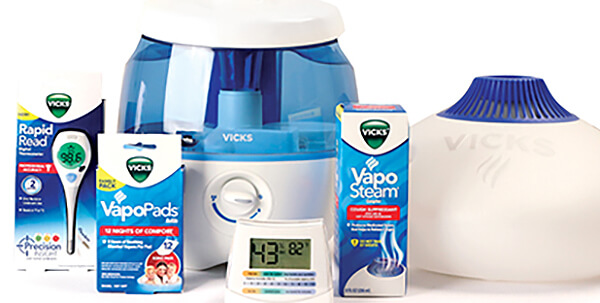

2026 Top Small Warm Mist Humidifier Types for Global Buyers
Choosing the right small warm mist humidifier in 2026 requires more than comparing tank size and price. Global buyers face different room climates, voltage systems, water conditions, and safety expectations. A compact unit may look ideal online, yet its plug type or heating chamber may not suit your market.
This guide examines leading small warm mist humidifier types for bedrooms, nurseries, offices, and travel-friendly spaces. It considers practical details, including mist output, warm-up time, operating noise, cleaning access, tank capacity, and automatic shutoff. Small details matter. A narrow water opening can make daily cleaning frustrating. A bright indicator may disturb light sleepers. A well-sealed tank can reduce spills during nighttime use.
Reliable comparisons should combine hands-on observations with manufacturer specifications and current safety information. Buyers should verify electrical ratings, approved regional certifications, warranty terms, and replacement-part availability before ordering internationally. These checks are not exciting. They prevent expensive mistakes.
No single model fits every household. A powerful heater may use more electricity. A quieter design may produce less mist. Some compact humidifiers are convenient but require frequent refilling. That trade-off is easy to overlook.
The following overview compares major types and explains where each design performs best. It also highlights limitations that product listings often hide. Features can change between production batches, so final specifications should be confirmed with the seller. Even careful guidance has gaps. Real room conditions, water quality, and cleaning habits can change the user experience considerably.
Small Warm Mist Humidifier Basics and Heating Technology
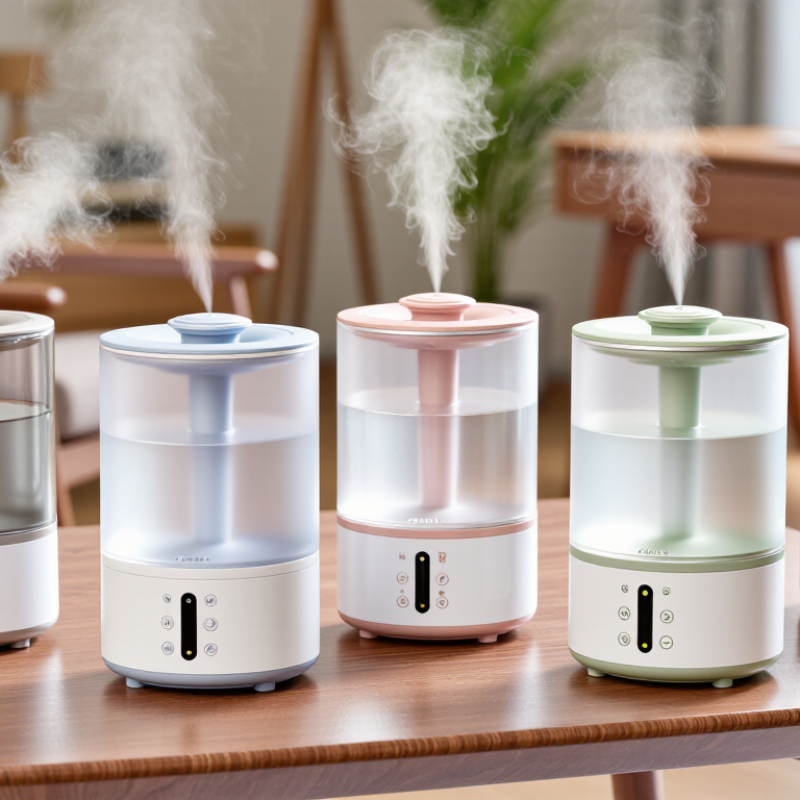
Small warm mist humidifiers heat water with an electrical resistance element. The heater raises water near boiling, then releases warm vapor into the room. This process can reduce mineral dust compared with ultrasonic mist. It does not remove every contaminant. Dirty tanks can still create problems.
The U.S. Environmental Protection Agency recommends keeping indoor humidity between 30% and 50%. ASHRAE Handbook guidance also warns against excessive moisture because condensation supports surface mold. A 2024 U.S. Department of Energy appliance review shows portable humidifiers commonly use about 200–500 watts. Warm mist models often sit near the higher end. The trade-off is real. They can feel effective beside a cold winter bed, but electricity use deserves careful checking.
Heating chambers need more than attractive specifications. Look for automatic shutoff, insulated surfaces, a removable tank, and accessible descaling areas. Some units include two-stage heating, using lower power after reaching operating temperature. That design may reduce consumption, although published savings are not always independently verified. The 2024 Global Humidifier Market Analysis from IMARC Group reports continued demand for compact household humidification, especially in dry residential environments. Buyers should still compare output, tank capacity, noise, and cleaning frequency. A small chamber can empty quickly. Keep it clean. That simple habit is often overlooked.
2026 Top Small Warm Mist Humidifier Types for Global Buyers - Small Warm Mist Humidifier Basics and Heating Technology
| Humidifier Type | Heating Technology | Typical Rated Power | Typical Mist Output | Common Water-Tank Capacity | Approximate Operating Time | Suitable Space | Main Advantages | Important Limitations | Key Buyer Checks |
|---|---|---|---|---|---|---|---|---|---|
| Compact Boiling-Evaporative Warm Mist Humidifier | Water is heated to boiling or near-boiling temperature. Steam is produced through evaporation and mixed with room air before discharge. | 200–400 W | 150–300 mL/h | 0.8–2.0 L | About 3–12 hours, depending on tank size and output setting | Small bedrooms, nurseries, home offices, and personal rooms | Warm mist; heating can reduce many microorganisms in the water; straightforward operating principle | Higher electricity consumption; hot water and steam create burn risks; mineral deposits may accumulate on the heating chamber | Check boil-dry protection, automatic shut-off, insulated housing, lid locking, and cleaning access |
| Heating-Element Warm Mist Humidifier | An electric resistance heating element transfers heat directly to water in a dedicated heating chamber. | 150–350 W | 100–250 mL/h | 0.7–1.8 L | About 3–15 hours | Bedside use, compact apartments, study rooms, and small offices | Compact construction; adjustable mist output; generally simple control architecture | Heating surfaces require regular descaling; performance can decline when scale builds up; warm components need child protection | Review heating-element material, scale resistance, water-level sensing, and replacement-part availability |
| Steam-Vaporizer Style Humidifier | Water is heated until vapor forms, then the vapor is released through an outlet. Some designs use a separate vapor path to reduce splash and condensation. | 200–400 W | 100–300 mL/h | 0.5–1.5 L | About 2–12 hours | Personal spaces and small rooms where a compact heated-vapor unit is preferred | Warm output; no ultrasonic transducer is required; can provide consistent humidification at a low fan speed | Hot surfaces and vapor; audible bubbling may occur; not suitable for unattended operation near children or pets | Check outlet temperature, anti-spill design, stable base, thermal fuse, and automatic shut-off behavior |
| Warm-Mist and Cool-Mist Hybrid Humidifier | Uses a heating module for warm mist and a separate fan, wick, or ultrasonic system for cool mist. The user selects the operating mode. | Warm mode: 180–350 W Cool mode: commonly below 40 W |
150–300 mL/h | 1.0–3.0 L | About 4–20 hours, depending on mode and output | Bedrooms, living areas, offices, and regions with seasonal temperature changes | Flexible year-round use; lower energy demand in cool-mist mode; wider application range | More components and controls; larger size is common; warm mode still has hot-water safety concerns | Confirm independent mode controls, transition time, cleaning requirements, and power compatibility for the target market |
| Warm-Mist Humidifier with Hygrostat | Uses a heating system together with a humidity sensor and control logic to cycle operation around a selected relative-humidity level. | 150–350 W while heating | 100–300 mL/h | 1.0–2.5 L | Variable; commonly 4–18 hours of tank capacity before refill | Bedrooms, nurseries, offices, and rooms requiring more consistent humidity | Helps limit continuous operation; can improve comfort and reduce excessive humidification when the sensor is accurate | Sensor placement and calibration affect performance; automatic control does not remove the need for cleaning or ventilation | Look for adjustable target humidity, sensor accuracy information, timer settings, and automatic shut-off |
| Compact Warm-Mist Humidifier with Mineral-Reduction Filter | Water is heated in a boiler or heating chamber, while a replaceable filter or cartridge helps reduce dissolved minerals entering the heating system. | 200–400 W | 100–250 mL/h | 0.8–2.0 L | About 3–15 hours | Small rooms in areas with moderate or hard water | May reduce scale formation and mineral residue; useful where water hardness varies by location | Filters require replacement; operating cost depends on cartridge price and local water quality; filtration does not replace cleaning | Check filter life, replacement availability, compatibility with local water, and descaling instructions |
| Travel-Size Warm-Mist Humidifier | Uses a very small heating chamber or low-volume heating element, normally designed for short operating periods rather than all-night use. | 50–200 W | 30–120 mL/h | 0.2–0.8 L | About 2–10 hours | Hotel rooms, personal workspaces, and temporary accommodation | Small footprint; easier to pack and store; suitable for localized humidification | Limited coverage and runtime; small water volume requires frequent refilling; hot-water safety remains important | Verify voltage, plug type, travel certification requirements, spill resistance, and minimum water level |
| Top-Fill Small Warm-Mist Humidifier | Combines a heated water chamber with a removable or open top-fill tank designed to simplify refilling and routine cleaning. | 150–350 W | 100–300 mL/h | 1.0–2.5 L | About 4–18 hours | Bedside tables, small bedrooms, and offices where frequent refilling is inconvenient | Convenient filling; fewer steps during daily use; tank water level is usually easy to view | Open filling areas must be kept dry around electrical controls; tank geometry can make some internal areas difficult to clean | Assess lid stability, handle strength, spill control, cleaning access, and separation between water and electronics |
| Low-Noise Warm-Mist Humidifier with Fan Assistance | A heating system generates vapor, while a low-speed fan helps distribute warm moisture and reduce condensation near the outlet. | 180–350 W | 150–300 mL/h | 1.0–2.5 L | About 4–18 hours | Bedrooms, study rooms, and small work areas | More even moisture distribution; can reduce localized warm-air pockets; suitable for users sensitive to operating noise | Fan noise and airflow vary by design; additional moving parts may require more maintenance; heating energy remains significant | Check measured sound level, fan filter access, outlet temperature, and performance at the lowest setting |
| Safety-Focused Warm-Mist Humidifier | Uses a standard heating chamber together with multiple protective systems, such as thermal cut-off, tilt protection, low-water detection, and automatic shut-off. | 150–400 W | 100–300 mL/h | 0.8–2.5 L | About 3–18 hours | Homes where child, pet, spill, or unattended-use risks require extra attention | Improved protection against overheating and low-water operation; better suited to safety-conscious purchasing requirements | Safety features do not eliminate burn hazards; additional sensors and controls may increase product cost and testing requirements | Review electrical safety certification for the destination market, thermal protection, stability testing, leakage protection, and user warnings |
| Warm-Mist Humidifier for Hard-Water Environments | Heated evaporation is paired with a removable boiling chamber, descaling program, mineral filter, or other maintenance-oriented design features. | 200–400 W | 100–300 mL/h | 1.0–2.5 L | About 3–15 hours | Small rooms in regions with medium-to-hard tap water | Designed for easier scale management; removable parts can simplify cleaning and maintenance | Descaling remains necessary; local water chemistry strongly affects maintenance intervals; consumables may be required | Check recommended water type, descaling frequency, chamber accessibility, filter costs, and cleaning-tool requirements |
Related Posts
-
7 Tips for Buying a Small Warm Mist Humidifier
-
2026 Top Small Warm Mist Humidifier Types for Global Buyers
-
The Benefits of Warm Mist Humidifiers for Optimal Home Comfort and Health
-

Top 10 Cold Air Humidifiers for Better Air Quality?
-
Exploring Hot Air Humidifier Innovations at the 138th Canton Fair 2025 in China
-
Best Humidifier for Flu Relief Worldwide购?