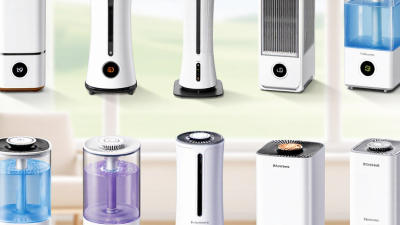
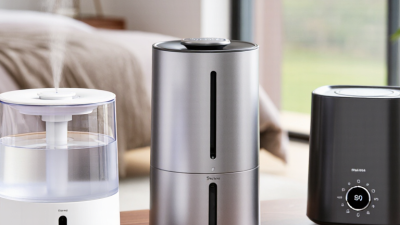
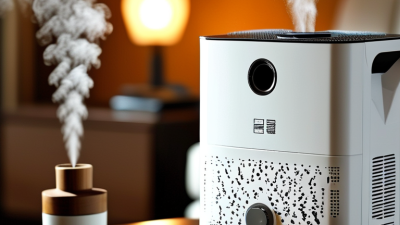
What Is the Best Hot Humidifier in 2026?
Choosing the best hot humidifier in 2026 means looking beyond warm mist. A useful model should feel simple to operate, steady through a chilly night, and easy to clean without awkward corners trapping mineral residue. It should also have clear safety features, since hot water and heated surfaces deserve careful placement around children and pets.
Indoor-air researcher Dr. Linsey Marr studies how airborne particles behave. I can’t verify a direct quote from her about hot humidifiers, so I won’t put invented words in her mouth. The practical principle is still clear: comfort should not come at the cost of excess moisture. The U.S. Environmental Protection Agency recommends keeping indoor humidity below 60%, ideally between 30% and 50%. A small hygrometer on a bedroom shelf can help you check that number instead of guessing.
This guide compares hot humidifier performance, controls, cleaning demands, noise, and everyday value. It also considers details that matter after the first week: how easily the tank lifts, whether the refill opening fits beneath a tap, and how visible mineral buildup is. No single unit suits every room. A powerful model may overwhelm a small bedroom, while a compact one may struggle in a large space. The best choice is the one that matches your room and routine—and stays manageable when cleaning day arrives.
How Hot Humidifiers Work and What Sets Them Apart
What Is the Best Hot Humidifier in 2026?
How Hot Humidifiers Work and What Sets Them Apart
A hot humidifier heats water to produce steam, which cools as it enters the room. Heating can reduce some microbes in the water, but it does not replace regular cleaning. Steam is not magic. These units can use more electricity than cool-mist models because they heat water, and hot surfaces or spills can burn. Their warm output may feel pleasant beside a bed, but that does not make them the right choice for every room.
Humidity control matters more than mist volume. The U.S. Environmental Protection Agency’s A Brief Guide to Mold, Moisture and Your Home recommends keeping indoor relative humidity between 30% and 50%, and below 60%. A simple hygrometer can help prevent damp window glass, which may signal excess moisture. The EPA guidance is a useful reference, not a guarantee that every room will behave alike. Room size, insulation, and outdoor weather all affect results.
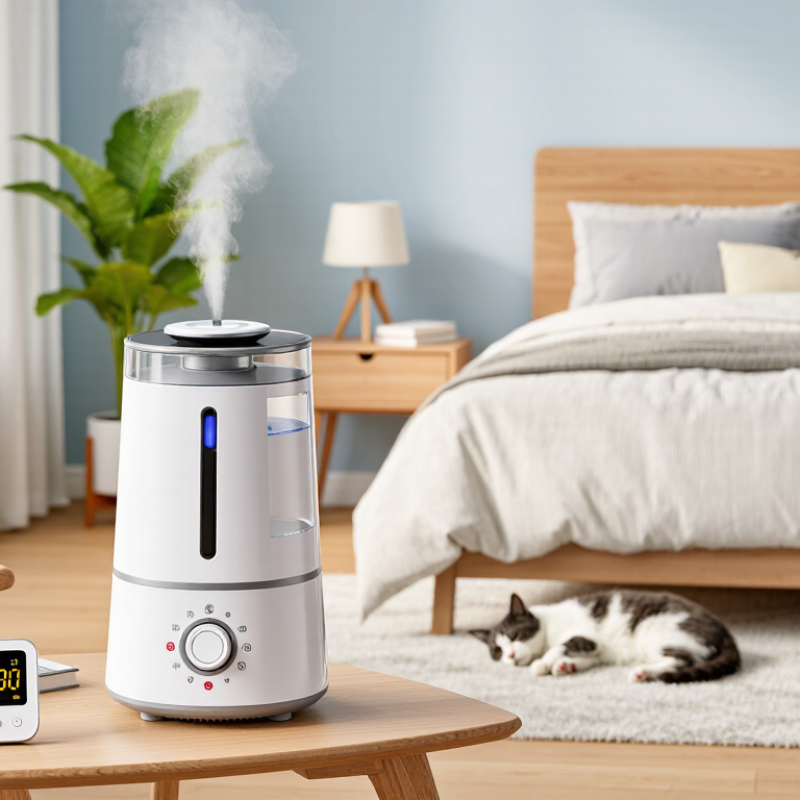
Tips: Place the unit on a stable, level surface, away from children and pets. Follow the cleaning instructions, refill with fresh water, and check humidity with a hygrometer. If condensation appears on windows, lower the setting or run the unit less.
How Do the Leading Hot Humidifier Types Compare?
Hot humidifiers generally fall into two groups: steam vaporizers and warm-mist units. A steam vaporizer boils water and releases steam directly. Its output can feel noticeably warm in a chilly room. Keep it well away from children and pets; hot water and steam can cause burns. Warm-mist models also heat water, but typically cool the vapor before it leaves the unit. They may feel gentler nearby, though the water inside still gets hot. Neither type should be assumed to disinfect a room or prevent illness.
Some models add a cool-mist setting, making them more flexible across seasons, but extra settings can mean more parts to clean. Compare tank size, refill access, noise, and how easily you can reach the heating area. Mineral deposits can build up, so follow the manufacturer’s cleaning directions and use the recommended water. The naming can be confusing, even when the controls look simple. An inexpensive hygrometer helps you check whether the room actually needs more moisture. A practical indoor range is often 30–50% relative humidity; reduce output if windows or walls become damp.
What Is the Best Hot Humidifier in 2026?
Typical power use by humidifier type
Warm-mist humidifiers heat water to create vapor, so they typically use more electricity than cool-mist models. The ranges shown are approximate; actual power use varies by model and operating setting. Choose based on room size, cleaning needs, safety, and energy use.
Which Hot Humidifier Best Fits Your Room and Needs?
The best hot humidifier is the one sized for your room, not the one with the biggest tank.
A compact bedroom may need less output than an open living area, where warm air disperses quickly. Check the unit’s stated room coverage, daily output, and refill frequency. Small rooms differ. A closed bedroom can become damp faster than a drafty one, so coverage figures are guides, not guarantees.
Aim for measured humidity, not visible mist.
The U.S. Environmental Protection Agency’s “A Brief Guide to Mold, Moisture and Your Home” recommends keeping indoor relative humidity below 60%, ideally between 30% and 50%. A simple hygrometer helps you adjust output before windows turn wet. For hot-steam models, placement matters: the U.S. Consumer Product Safety Commission warns that hot water and steam can cause burns. Keep the unit on a stable surface, away from children and bedding. I’d also weigh cleaning effort and electricity use; a warm room is pleasant, but a neglected tank is not. Daily rinsing can feel fussy. It still matters.
What Safety and Maintenance Factors Should You Consider?
A hot humidifier can make a bedroom feel more comfortable, but its heating element creates a burn risk. In 2026, compare models by their stable base, cool-touch exterior, automatic shutoff, and clear water-level markings. Place one on a flat, heat-resistant surface, well beyond a child’s reach and away from bedding, curtains, and walkways. Keep the steam outlet clear; escaping vapor can still scald skin or damage nearby surfaces. Never move or refill a unit while it is hot. Small detail, big difference.
Tips: Empty the tank daily, unplug the unit, and let it cool fully before cleaning. Use only cleaning methods and water types allowed in the manual. Avoid essential oils or other additives unless the device specifically permits them.
Maintenance affects hygiene and performance. Mineral scale can collect around the heating chamber, while stagnant water may develop an odor or residue. Follow the manufacturer’s descaling schedule, rinse thoroughly, and dry removable parts before storage. Inspect the cord and plug for damage, and stop using the unit if it leaks or overheats unusually. A humidistat can help limit excess indoor moisture, but it cannot replace checking room conditions. I would not assume “easy to clean” means effortless; narrow corners still need attention. Choose a model whose tank and chamber you can actually reach.