
Top Cool Mist Humidifiers for Global Buyers?

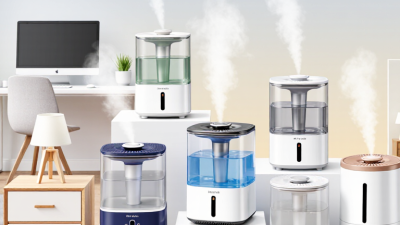
Choosing the right cool mist humidifiers can feel simple until room size, water quality, and electrical standards enter the picture. A compact unit may suit a nursery, while a larger bedroom needs stronger output and quieter operation. Real-world details matter. A bright display can disturb sleep, and a narrow tank opening can make daily cleaning frustrating.

This guide compares leading models through practical, buyer-focused criteria. These include mist consistency, noise levels, tank capacity, cleaning access, energy use, and automatic shutoff protection. Manufacturer specifications provide a starting point, but independent safety certifications and clear user manuals deserve equal attention. Global buyers should also check voltage compatibility, plug design, warranty coverage, and local replacement-filter availability. One attractive feature can hide an inconvenient maintenance routine. That deserves attention.

User experience remains important, yet it is not always consistent. Hard water may leave mineral residue, and humidity readings can differ between devices. No model is perfect. My recommendations may favor straightforward maintenance over decorative smart features, because dependable daily use often matters more than novelty. Still, individual needs vary. Families with children may prioritize cool-touch operation, while light sleepers may prefer a nearly silent fan. Buyers should verify claims with current product documentation and trusted testing sources before ordering internationally. A well-chosen humidifier should add comfortable moisture without creating damp surfaces, unpleasant odors, or unnecessary cleaning problems. Small decisions matter here.
Top Cool Mist Humidifiers for Global Buyers?

What Is a Cool Mist Humidifier and How Does It Work?

Top Cool Mist Humidifiers for Global Buyers

What Is a Cool Mist Humidifier and How Does It Work?

A cool mist humidifier adds water vapor to indoor air without heating the water. It can make dry rooms feel more comfortable during winter, air conditioning, or low-humidity travel. The mist feels cool or room-temperature, not hot. That makes it useful around sleeping areas, children, and pets, although careful placement still matters.

Most models use ultrasonic vibration or an evaporative wick. Ultrasonic units vibrate water at a high frequency, creating tiny droplets that a fan releases into the room. Evaporative models draw air through a damp wick, then return naturally humidified air. The first method is usually quieter. The second can leave fewer mineral particles on nearby furniture.

Water quality deserves attention. Tap water may contain minerals that become white dust, especially with ultrasonic designs. Distilled or low-mineral water can reduce this problem. A practical home check includes wiping the tank, inspecting the nozzle, and measuring room humidity with a hygrometer.

Aim for about 30% to 50% relative humidity. More moisture is not always better. Excess humidity may encourage mold and dust mites.

Cleaning instructions are easy to underestimate. Empty the tank daily when possible, and clean internal surfaces as directed by the manufacturer. Never add oils, disinfectants, or other substances unless the manual specifically allows them.

A cool mist humidifier seems simple, but its results depend on water, placement, airflow, and maintenance. That assumption is incomplete.

Which Cool Mist Humidifier Types Suit Different User Needs?

Choosing a cool mist humidifier starts with the user’s room, water quality, and cleaning habits.

The U.S. Environmental Protection Agency recommends maintaining indoor humidity between 30% and 50%. Above that range, condensation and mold risks can increase.

A small bedroom may need a compact ultrasonic model. It creates fine mist quietly and usually consumes little electricity. Light sleepers may value this feature.

Evaporative humidifiers suit families needing steadier, less visible moisture. A fan pulls air through a wet wick, while evaporation naturally limits output.

This design can reduce over-humidification, but replacement filters add recurring costs. The U.S. Department of Energy notes that portable humidifiers vary widely in energy use. Buyers should check rated wattage, not assume every “low-energy” claim is equal. It is a boring detail, but it matters.

Impeller humidifiers can work for users wanting simple, visible cool mist. However, moving parts may create more noise, and mineral-rich water can leave residue.

The World Health Organization reports that household water quality affects exposure to contaminants, making regular cleaning essential.

A 2024 Grand View Research report estimates continued growth in the global humidifier market, driven partly by urban indoor-air concerns. Market growth does not guarantee a better fit.

In practice, a quiet ultrasonic unit may fail in a hard-water region unless it includes suitable filtration. Check humidity readings with a separate hygrometer.

Even experienced buyers sometimes skip this small step.

How to Compare Top Cool Mist Humidifiers for Global Buyers?

Comparing top cool mist humidifiers requires more than checking mist output. Global market reports show strong demand: Grand View Research estimated the humidifier market at about USD 4.68 billion in 2023. Different reports use different product definitions, so buyers should treat forecasts cautiously. Market size is useful context, not proof of product quality.

Start with room coverage, measured in square meters, and verified mist output. The U.S. Environmental Protection Agency recommends indoor humidity between 30% and 50%. A built-in sensor can help maintain that range, but an independent hygrometer is safer for checking accuracy. Tank capacity also matters. A 4-liter tank may support overnight use, yet larger tanks can become heavy and difficult to clean. Too much capacity is not always better.

Noise ratings should be compared at the same distance and operating mode. Look for low-wattage operation, adjustable mist levels, automatic shutoff, and voltage compatibility for the destination country. Hygiene deserves more attention. The EPA advises regular cleaning because stagnant water can support microbial growth. Removable tanks and wide openings make daily rinsing more realistic. Replacement filter costs should be calculated before purchase. I would not trust a dramatic “sterilizing” claim without test details. Independent laboratory evidence is stronger than sales language. Even careful comparisons can miss long-term durability, which only repeated use reveals.

Top Cool Mist Humidifiers for Global Buyers? - How to Compare Top Cool Mist Humidifiers for Global Buyers?

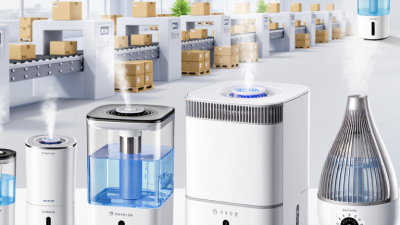
A practical comparison of common cool-mist humidifier configurations for international purchasing decisions

Comparison Profile Mist Technology Typical Water Capacity Typical Mist Output Recommended Room Size Typical Operating Time Typical Noise Level Main Advantages Main Limitations Best Fit for Global Buyers
Compact Ultrasonic High-frequency vibration creates a visible cool mist 1.0–2.5 L 100–250 mL/h 10–20 m² 8–24 hours, depending on output setting Approximately 25–35 dB Low power consumption, compact size, quiet operation, strong value for small rooms Mineral deposits may create white dust when hard water is used; regular cleaning is essential Bedrooms, offices, nurseries, and small apartments
Standard Ultrasonic Ultrasonic transducer disperses fine cool-water droplets 3.0–5.0 L 200–400 mL/h 20–40 m² 10–30 hours, depending on tank size and setting Approximately 25–40 dB Good balance of output, price, operating cost, and portability Requires low-mineral water or a suitable demineralization solution in hard-water regions Most bedrooms, living rooms, and medium-sized workspaces
Tabletop Evaporative A fan moves air through a wet wick or evaporative filter 2.0–4.0 L Not usually stated as visible mist; output varies with airflow and humidity 15–30 m² 10–24 hours Approximately 30–45 dB Naturally limits humidification as room humidity rises and generally avoids visible white dust Replacement wicks add recurring cost; fan noise is normally higher than ultrasonic units Users who prefer low over-humidification risk and easier mineral management
Console Evaporative High-airflow fan and large evaporative media 6.0–15.0 L Approximately 500–1,200 mL/h, depending on airflow and humidity 40–100 m² 12–36 hours Approximately 35–55 dB Suitable for large areas, reduced white-dust concerns, and longer intervals between refills Larger footprint, higher fan noise, and regular filter replacement Open-plan homes, large offices, retail spaces, and dry-climate regions
Hybrid Cool-Mist Unit Combines ultrasonic or evaporative humidification with additional air-treatment functions 3.0–8.0 L 250–600 mL/h, depending on operating mode 25–60 m² 10–30 hours Approximately 30–50 dB More operating modes, automatic humidity control, and broader feature flexibility Higher purchase price, more components to maintain, and greater compatibility requirements Premium residential buyers, hospitality spaces, and smart-home projects

Key Purchasing Criteria for Global Buyers

Evaluation Dimension What to Check Why It Matters Internationally
Voltage and Frequency Confirm compatibility with local electrical systems, such as 100–127 V or 220–240 V and 50/60 Hz Incorrect electrical specifications can cause unsafe operation or require an external transformer
Certification Requirements Check the destination market's applicable electrical safety, electromagnetic compatibility, and radio requirements Compliance affects customs clearance, retail eligibility, and product liability
Water Quality Assess local hardness and whether filtered, distilled, or low-mineral water is recommended Water minerals can affect deposits, maintenance frequency, and indoor particle levels in ultrasonic units
Maintenance and Consumables Review cleaning access, filter availability, replacement intervals, and local spare-parts supply Long-term ownership cost and customer satisfaction depend on reliable maintenance support
Humidity Control Prioritize a built-in humidistat, adjustable output, timer, and automatic shutoff Automatic control helps reduce condensation and excessive indoor humidity
Packaging and Warranty Confirm drop-test protection, multilingual manuals, warranty terms, and service procedures International transport and after-sales handling create additional operational risks

Note: Performance figures are typical market ranges for comparable cool-mist configurations. Actual results vary with room construction, ambient humidity, water quality, operating mode, filter condition, and product design. Indoor relative humidity is generally best maintained around 30%–50% to help limit condensation and mold-related risks.

What Safety, Maintenance, and Energy Factors Should Buyers Consider?

Top Cool Mist Humidifiers for Global Buyers

Cool mist humidifiers can ease dry-air discomfort, but safe operation matters more than attractive features. Ultrasonic models are usually quiet and energy efficient. However, they may spread mineral dust when filled with hard tap water. Evaporative models reduce this risk, though their fans may use more electricity. Buyers should match the humidifier with room size, climate, and available water quality.

Look for automatic shutoff, tip-over protection, insulated wiring, and a visible water-level indicator. A built-in humidity sensor can prevent excessive moisture, which may encourage mold near windows or behind furniture. Keep the unit on a stable, raised surface, away from children and electrical sockets. Do not trust appearance alone. Check the voltage, plug type, safety certification, and operating instructions for the destination country.

Maintenance affects both health and running cost. Empty the tank daily when possible, wipe it dry, and clean internal surfaces according to the manual. Replace filters before they smell or discolor. Distilled or low-mineral water may reduce residue, but it increases household expense. Energy labels and wattage ratings help compare long-term use, especially where electricity prices vary. A common mistake is choosing the smallest model to save power, then running it continuously. That can waste more energy. No checklist is perfect; room airflow, seasonal humidity, and cleaning habits still change real-world performance.

How to Choose a Cool Mist Humidifier for Different Climates and Spaces?

Choosing a cool mist humidifier starts with the climate, not the product label.

Dry winter air may need steady moisture, while a humid tropical climate usually needs less output. In coastal regions, excessive humidity can encourage mold. Measure twice. A digital hygrometer helps keep indoor humidity near 40–60 percent for most homes.

Room size also changes the decision. A compact bedroom needs quiet operation, a small tank, and an automatic shutoff feature.

For a nursery, place the unit several feet from the crib, never beside bedding. Large living rooms require stronger mist distribution, but an oversized unit may leave damp windows and floors.

Not always better.

Water quality deserves attention. Hard tap water can leave white mineral dust around ultrasonic models. Distilled or filtered water may reduce this problem, although local water conditions differ.

Empty the tank daily, rinse it, and follow the cleaning instructions carefully. I once assumed a larger tank meant easier care; it only delayed cleaning and made residue harder to notice.

In dry highland climates, longer runtime matters, but in humid apartments, a lower setting is safer. Check humidity readings in different corners, because one sensor near the mist outlet can give a misleading result. Look for clear maintenance guidance, replacement-part availability, and safety certifications recognized in your market.