Why Choose Aluminum Foil Containers for Your Packaging Needs?
Aluminum Foil containers have become a popular choice for packaging needs across various industries. Their versatility is unmatched. These containers are ideal for restaurants, catering services, and food delivery. They maintain the freshness of the food while providing convenience for storage and transport.
One of the key benefits of aluminum foil containers is their ability to withstand extreme temperatures. They are suitable for both freezing and baking. This feature makes them essential for food preparation and preservation. Moreover, they are recyclable, contributing to environmental sustainability. However, some may wonder about the impact of aluminum on health. While concerns exist, most studies suggest it is safe for food contact.
Choosing aluminum foil containers reflects a balance of practicality and eco-friendliness. They offer a reliable solution for packaging, despite the lingering questions about their safety. It's essential to consider these factors when deciding on packaging options. When considering your next packaging choice, think about aluminum foil containers. Their unique properties might just make them the perfect fit for your needs.
Benefits of Using Aluminum Foil Containers in Packaging
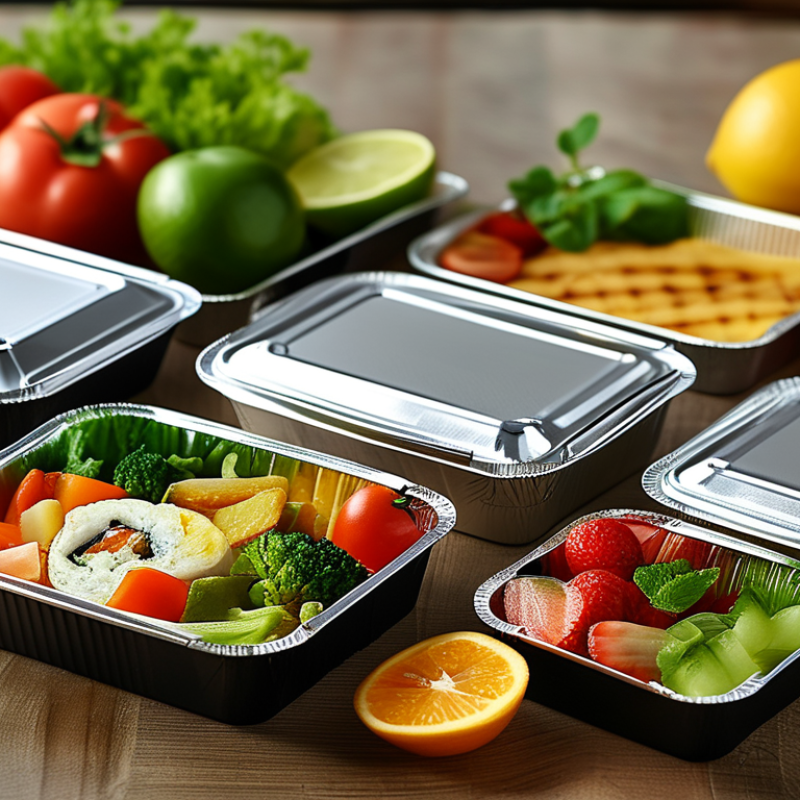
Aluminum foil containers offer numerous benefits for packaging needs. They are lightweight yet strong, making them ideal for transport. A significant advantage is their excellent heat conductivity. This property ensures that food cooks evenly. They also help retain temperature, keeping meals warm for longer.
Another crucial benefit is their recyclability. Unlike some plastic alternatives, aluminum can be recycled multiple times without losing quality. This aspect appeals to environmentally conscious consumers. Additionally, aluminum foil containers provide an effective barrier against moisture and light. This protects food from spoilage, extending its shelf life.
However, some might hesitate due to the perception that aluminum is less sturdy. In reality, proper engineering allows these containers to be both durable and functional. Users should also reflect on their intended use. Certain dishes might require more robust materials, while aluminum is perfect for many applications. Exploring these nuances can lead to better packaging choices.
Environmental Impact of Aluminum Foil in Packaging Solutions
Aluminum foil containers are gaining traction in the packaging industry due to their environmental benefits. Unlike plastic, aluminum is infinitely recyclable. This means that it can be reprocessed without loss in quality. Therefore, choosing aluminum foil containers helps to reduce waste and conserve natural resources.
When considering the environmental impact, aluminum foil also lowers carbon emissions in its lifecycle. Its lightweight nature cuts down on transportation emissions. However, the production of aluminum does have its drawbacks. Mining bauxite, the primary aluminum ore, can lead to significant ecological disturbance. It’s crucial to weigh these factors when selecting packaging materials.
Consumers today are becoming more aware of sustainable practices. They often prefer materials that are not only effective but also environmentally friendly. The challenge remains: how can we further improve the recycling processes? Enhanced technology in recycling and better consumer education might bridge the gap. As the demand for eco-friendly packaging rises, aluminum foil containers present a valuable, albeit imperfect, solution.
Comparative Analysis: Aluminum Foil vs. Other Packaging Materials
When comparing aluminum foil containers to other packaging materials, several factors stand out. Aluminum is lightweight yet sturdy, making it ideal for transporting food and other products. Unlike plastic, aluminum does not retain odors or flavors, ensuring that each package maintains its integrity. It also offers excellent barrier properties against moisture and light, which can prolong shelf life and enhance food quality.
Plastics may seem cheaper, but they often lack recyclability and environmental friendliness. Many consumers are now looking for sustainable options. In this context, aluminum shines. It's fully recyclable and can be reused multiple times without degrading its quality. However, one must consider the energy required for production and recycling. While aluminum is recyclable, the process can have a significant carbon footprint.
Glass, on the other hand, is another option. It is inert and does not interfere with the contents. Yet, its weight and fragility present challenges, particularly in shipping. Aluminum foil containers offer a practical balance between durability and functionality. Each packaging choice has its merits, but understanding the implications of these materials is crucial for making informed decisions.
Versatility of Aluminum Foil Containers for Different Food Types
Aluminum foil containers are highly versatile for packaging various food types. They can hold both hot and cold items. Their ability to withstand extreme temperatures makes them ideal for baking, roasting, and freezing. According to a report by Grand View Research, the global aluminum foil packaging market is projected to reach $38.5 billion by 2025. This indicates a growing preference for aluminum in food packaging.
These containers are lightweight yet sturdy. They are resistant to moisture and gases, which helps to keep food fresh for longer. A study published in the Journal of Packaging Technology revealed that aluminum foil containers can preserve food quality for up to 60% longer than plastic alternatives. However, they are not microwave-safe unless specified. This limitation may frustrate some consumers seeking convenience.
The eco-friendly nature of aluminum is another advantage. It is recyclable and can be reused without declining in quality. Yet, the recycling process requires energy, raising questions about overall sustainability. Businesses must weigh the benefits and challenges of using aluminum foil containers. While they offer great utility, the industry should continue addressing these concerns. This ongoing reflection is vital for maintaining high standards in food safety and environmental stewardship.
Cost-Effectiveness of Aluminum Foil Containers in the Food Industry
Aluminum foil containers have gained significant traction in the food industry due to their cost-effectiveness. According to a recent report from the Aluminum Association, these containers can reduce packaging costs by up to 30% compared to traditional materials. Food businesses often face tight margins, making affordable packaging solutions critical. Using aluminum foil not only minimizes cost but also contributes to efficient space utilization in storage and transport.
In addition to cost savings, aluminum foil containers offer exceptional barrier properties. They effectively protect food against moisture, light, and oxygen, which can spoil products quickly. Studies show that food packaged in aluminum foil can maintain freshness for a longer period, reducing food waste. However, while these containers are reusable, concerns about multi-use practices persist. The industry must emphasize the importance of proper sanitation to ensure food safety.
It’s also important to reflect on the environmental impact. Although aluminum is recyclable, not all consumers choose to recycle. According to a study by the Institute of Scrap Recycling Industries, recycling rates for aluminum foil containers hover around 50%. Improving this figure requires education and innovation within the packaging sector to encourage better recycling practices. Addressing these challenges while leveraging cost-effectiveness remains crucial for industry growth.