What Is a Main Door Lock?
A Main Door Lock is the hardware that controls access through a home’s primary entrance. It usually includes a lock body, a key cylinder or electronic control, and a bolt or latch that secures the door to its frame. The exact design varies. A simple spring latch may hold a door closed, while a deadbolt extends more firmly into the frame when locked. Some entrance doors use multipoint systems, which secure several points along the door edge. That matters. A lock’s performance depends not only on its mechanism, but also on the door, frame, strike plate, and quality of installation.
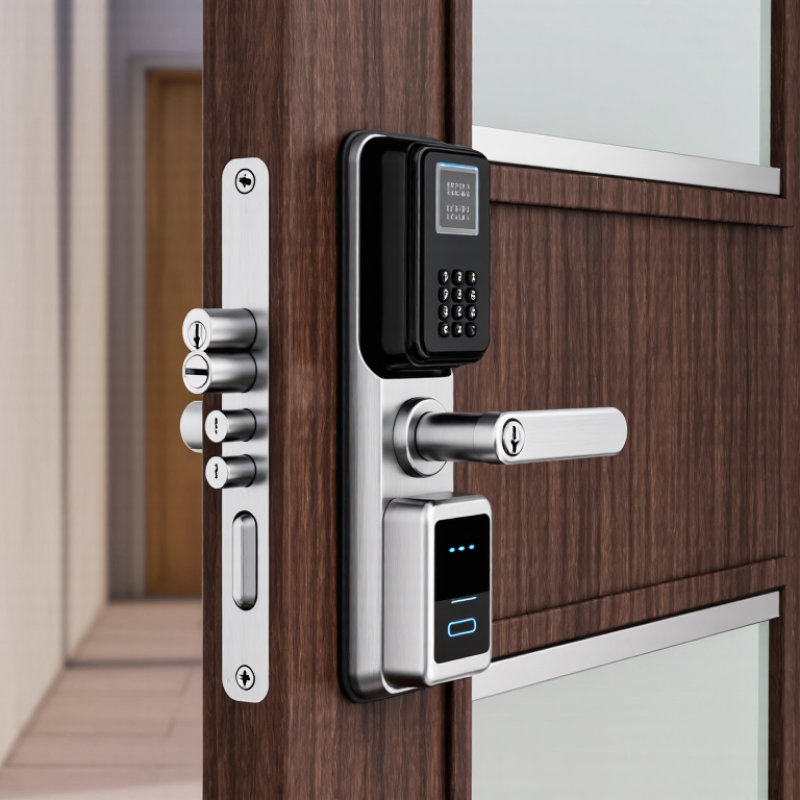
Main Door Lock options include keyed, keypad, and smart models. Smart locks may offer features such as temporary access codes or phone control, but they still need suitable power and careful setup. Before choosing one, check the door’s thickness, backset, handing, and existing bore holes against the manufacturer’s specifications. A poorly matched lock can be difficult to install or may not secure the door as intended. For unusual doors or uncertain measurements, a qualified locksmith or experienced installer can help assess compatibility. No lock is perfect. Strong hardware can reduce common weaknesses, yet it cannot replace sound door construction or sensible habits, such as locking the door consistently. This guide explains how a Main Door Lock works, what common designs offer, and which practical details deserve attention before purchase or installation.
Definition and Purpose of a Main Door Lock
What Is a Main Door Lock?
Definition and Purpose of a Main Door Lock
A main door lock is the primary locking mechanism fitted to a home’s main entrance. It helps keep the door closed and limits access to people with an approved key, code, or other credential. Depending on its design, it may use a latch, a deadbolt, or both. When the door shuts, a latch usually catches in the frame; a deadbolt extends farther into the strike plate when locked. That deeper engagement can make forced opening more difficult, provided the door, frame, and fittings are sound.
Its purpose is to manage everyday entry and provide a basic layer of security. A resident might turn a key before leaving, use an interior thumb turn at night, or grant access with a keypad. The right arrangement depends on the door material, household routines, and who needs access. Fit matters. A strong lock mounted in a weak, loose frame may offer less protection than expected. Check that the bolt moves smoothly and sits fully in the strike plate. Scraping or a sticking key can signal misalignment, though not always. Small details count. A lock cannot prevent every break-in, and it should not replace a sound door, good lighting, or sensible key control. People sometimes focus only on the lock itself; the surrounding frame deserves equal attention.
Main Components and How They Function
What Is a Main Door Lock?
Main Components and How They Function
A main door lock is a group of parts that controls how a door opens and stays secured. In a keyed lock, the cylinder contains a plug and small pins. The correct key lifts the pins into alignment, allowing the plug to turn. That rotation moves a bolt or latch. Small parts matter.
A spring latch has a sloped edge that retracts when the door closes. A deadbolt extends more deeply into the door frame and does not retract just by pushing its beveled edge. Inside, a thumb turn or handle moves the bolt through a spindle. The strike plate receives the bolt; longer, properly fitted screws can help anchor it to the frame. Still, a strong lock cannot compensate for a weak or misaligned door.
The FBI’s Crime in the United States 2019 report states that 55.7% of reported burglaries involved forcible entry. That figure describes reported incidents, not the performance of any particular lock. It does show why the whole assembly deserves attention: cylinder, bolt, strike plate, door, and frame all work together. A lock can look substantial and still have a loose fit. Check that the bolt moves smoothly and seats fully when the door is closed.
Common Types of Main Door Locks
What Is a Main Door Lock?
Common Types of Main Door Locks
A main door lock secures the primary entrance, but different designs suit different doors and routines. A deadbolt uses a solid bolt that slides into the frame; it is often paired with a keyed knob or lever. A mortise lock fits into a pocket cut in the door and combines latch and lock functions. Multipoint locks secure a door at several points, while smart locks use a keypad, phone, or key. Each has trade-offs. A smart lock can be convenient, but batteries still need attention.
The FBI’s Crime in the United States 2019 recorded 1,117,696 burglary offenses nationwide. This figure does not show that one lock type prevents break-ins; door condition and installation matter too. Check that the strike plate is firmly fixed and the bolt reaches the frame. ANSI/BHMA standards provide performance grades for several lock categories, so compare the grade for the specific lock—not just its appearance. A heavy-looking lock is not automatically a stronger one.
Tips: Match the lock to the door material and thickness. Test the key or keypad with the door open, then closed. Small detail. A bolt that binds can be frustrating, and it is easy to overlook during a quick installation.
Security Features and Locking Standards
What Is a Main Door Lock?
Security Features and Locking Standards
A main door lock is only one part of the entrance’s security. The door, frame, hinges, and strike plate all affect how well it resists force. A deadbolt extends a solid bolt into the frame, while a latch usually holds the door closed during everyday use. That difference matters.
Look for a lock tested to a recognized standard, such as an ANSI/BHMA grade or an applicable regional equivalent. Grades reflect defined tests, which may include operation, durability, and resistance to attack. Requirements and labels vary by market, so check what the rating actually covers. A grade is useful, not a guarantee. A sturdy strike plate secured with long screws can help anchor the lock to the frame. The exact hardware should suit the door’s material and construction.
Check the frame. A high-rated lock can still be undermined by a loose jamb, worn hinges, or a poorly fitted door. Also consider key control and whether the lock’s inside mechanism allows safe, simple exit. For a fire-rated door, replacement hardware must remain compatible with its rating. These details are easy to overlook. I would not judge security by the lock’s appearance alone; installation and regular checks matter just as much.
Choosing and Maintaining a Main Door Lock
What Is a Main Door Lock?
A main door lock secures the primary entrance and helps control everyday access. Choosing one starts with the door itself. Check its material, thickness, frame condition, and existing holes before buying. A sturdy deadbolt can add protection, but its strength depends on proper installation. The bolt should enter the strike plate cleanly, and long screws can help anchor the plate to the frame. Small gaps matter.
Tips: Test the lock with the door open, then closed. If the key turns smoothly only when open, the door or strike plate may be misaligned. Fixing the fit can be more useful than replacing the lock.
Maintenance is simple, but easy to neglect. Wipe dust from the cylinder and check for loose screws every few months. Use only a lubricant suitable for the lock, following its maker’s instructions; heavy oils can attract grit. Turn the key gently. Forcing a stiff key may bend it or damage the cylinder. If the lock still catches after the door is aligned, ask a qualified locksmith to inspect it. I have found that a quick adjustment often solves the problem, though not every lock can be repaired economically. A lock that feels smooth today still needs periodic checks.