
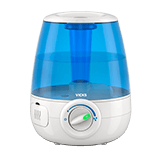
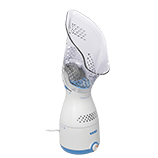
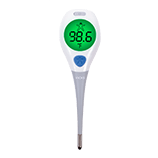
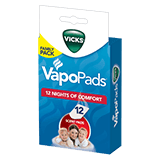
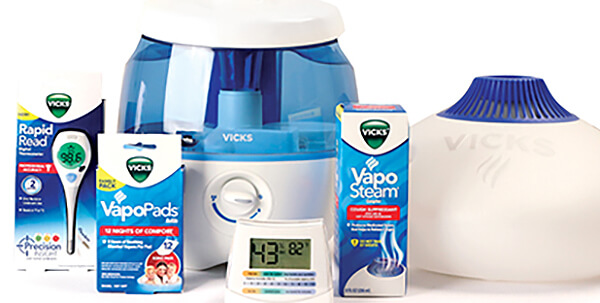

Vicks products are available for purchase online and in-store at most major retailers.
VICKS SUPPORT
View product-specific FAQs & videos
China has become a major base for wearable-device manufacturing, but choosing a supplier takes more than comparing factory photos or quoted prices. Buyers need to examine product engineering, component traceability, quality controls, customization capacity, and after-sales support. Small details matter: sensor consistency across production batches, screen readability under bright light, and how a watch handles repeated charging.
IDC’s Worldwide Quarterly Wearable Device Tracker reported approximately 537.9 million wearable-device shipments worldwide in 2024, up 6.1% year over year. This figure covers wearables broadly; it is not a smartwatch-only count or a ranking of Chinese suppliers. That distinction matters. Market growth can signal opportunity, but it does not prove that any individual factory is reliable.
As wearable-computing pioneer Steve Mann has put it, “Wearable computing is not about wearing a computer; it’s about being able to use a computer while doing something else.” The quote points to a practical test: a Wearable Smart Watch should work smoothly in everyday use, not merely look impressive in a product listing. This guide introduces prominent Chinese suppliers and the capabilities buyers can compare, including design support, manufacturing scale, and testing practices. Supplier claims still deserve independent checking. A polished sample is not enough. Request recent test records, clarify who owns the tooling, and verify production consistency before committing to volume. No shortlist can replace direct due diligence.
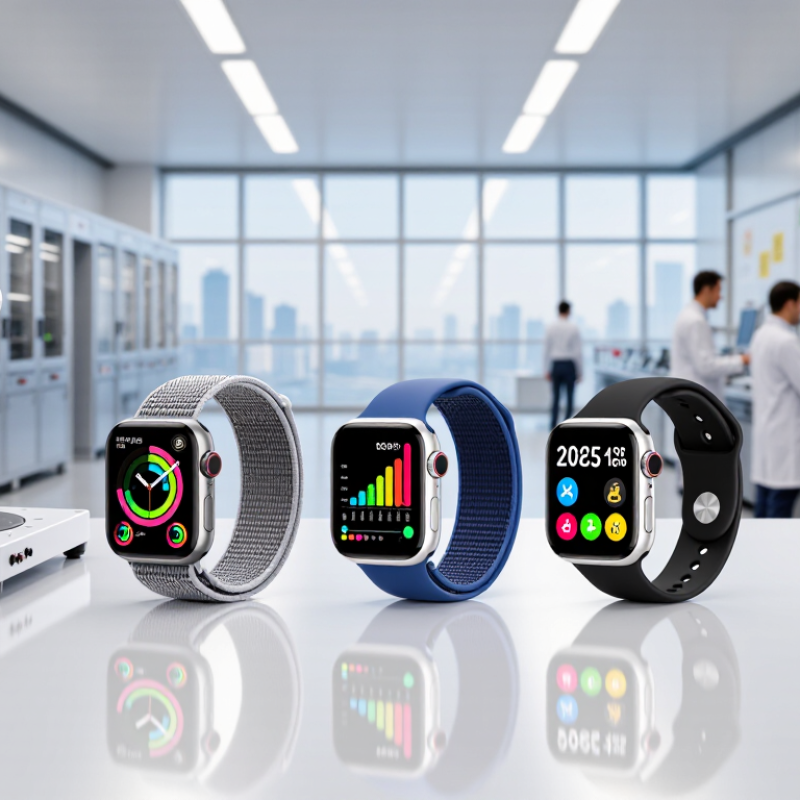
A Chinese company qualifies as a wearable smartwatch supplier when it can turn a product brief into a repeatable, testable device—not merely assemble a watch-shaped sample. Look for in-house or closely managed expertise in industrial design, PCB layout, sensor integration, firmware, and production engineering. Ask how teams validate heart-rate readings during movement, check screen visibility under bright light, and test button durability after repeated use. Details matter. A polished prototype can still conceal weak battery performance or inconsistent production quality.
Market figures make supplier discipline especially relevant. IDC reported 534.6 million wearable-device shipments worldwide in 2024, up 6.4% year over year; its category includes more than smartwatches. Counterpoint Research reported that global smartwatch shipments fell 7% in 2024. Together, these findings suggest a broad wearable market, but no guaranteed growth for every watch supplier. A capable partner should therefore provide a clear bill of materials, documented inspection points, sample-to-mass-production controls, and realistic lead times. Request evidence, such as test records and defect-rate definitions, rather than relying on claims alone.
Assess communication, too. Can the supplier explain which components affect battery life, repairability, or delivery schedules? Can it flag a design risk before tooling begins? A small pilot run can reveal gaps that a sales presentation will not. No single checklist proves reliability; independent testing and ongoing production checks still matter. Sources: IDC, Worldwide Quarterly Wearable Device Tracker, 2024 preliminary results; Counterpoint Research, Global Smartwatch Shipments Tracker, 2024.
A capable supplier typically demonstrates product engineering, reliable manufacturing, quality control, regulatory testing, supply-chain management, and after-sales support. The percentages are suggested buyer-assessment weights, not measured market data or rankings of companies.
IDC’s estimate of 534.6 million global wearable shipments in 2024 gives the market a concrete scale: roughly 1.46 million units shipped per day. That figure measures shipments, not the number of people using devices, and it should not be mistaken for smartwatch volume alone. Wearables cover multiple product types, so category definitions matter.
For Chinese suppliers, this scale points to a broad production ecosystem, but it does not guarantee demand for every factory. Buyers look beyond headline volume: sensor consistency, battery performance, water resistance, firmware stability, and repeatable quality across production lots. On a sample watch, a bright display may impress; a drifting heart-rate reading or loose charging contact will not. Small details travel.
The shipment total needs context. Annual figures can hide seasonal peaks, price differences, and inventory shifts between makers and retailers. A supplier shortlist should connect market data with factory evidence: recent capacity, inspection records, component traceability, and realistic lead times. The number is useful, but imperfect. Request dated test reports and production samples, then compare results under the same conditions.
China’s smartwatch market includes several strong supplier profiles. One established electronics maker is known for polished health features and broad device compatibility. A value-focused ecosystem seller often pairs affordable watches with phones, earbuds, and home products. A fitness-oriented specialist tends to emphasize GPS tracking, longer battery life, and outdoor use. Two other major phone makers offer watches designed to work smoothly within their own device ecosystems. Strong contenders. Specific features vary by model and release year.
Tips: Compare the exact model, not just the brand. Ask suppliers for current specifications, supported languages, app requirements, battery test conditions, warranty terms, and sample units. Try calls and notifications in your target market; compatibility can be less seamless than a product page suggests.
For buyers, check screen readability under bright indoor lighting, button feel, charging-pin stability, and strap comfort during a full day of wear. Request evidence for health-monitoring claims, and distinguish wellness tracking from medical diagnosis. Review firmware-update policies and data controls before placing a large order. A low unit price may hide costly app localization or after-sales needs. I would not rank suppliers on headline features alone; the right choice depends on customer habits, software support, and reliable stock availability.
In China’s wearable watch supply chain, brand owners and manufacturers play different roles. A brand owner defines the audience, product position, and retail experience. It may hire a factory rather than operate its own production lines. That distinction matters.
An OEM manufacturer builds to a buyer’s specifications, such as a chosen case shape, display, sensor set, and packaging. An ODM supplier usually offers an existing platform that can be adapted with a new interface, enclosure details, or software settings. ODM can shorten development, while OEM work may provide more control. Neither label guarantees quality. Ask who owns the design files, how firmware updates are handled, and which components can change without notice.
For buyers, sample reviews reveal practical differences. Check screen readability under bright light, button feel, charging alignment, and the consistency of heart-rate readings across repeated tests. Request written inspection criteria and a clear record of approved components. Then compare those records with a production sample. Small mismatches happen. That part is easy to underestimate. A capable supplier should explain limits plainly, including battery-life conditions and functions that depend on a connected phone. Be cautious when answers stay vague; a polished sample is not proof that every production unit will match it.
| Supplier Type | Primary Business Model | Product Design and IP | Customization Potential | Best Fit | What to Verify |
|---|---|---|---|---|---|
| Brand owner | Develops or commissions products and sells them under its own brand, often through retail and online channels. | Typically controls its brand and product positioning; manufacturing may be handled internally or outsourced. | Usually limited for outside buyers; private-label or distribution arrangements depend on the brand owner. | Buyers seeking an existing product for resale or distribution rather than a newly developed design. | Distribution rights, product documentation, after-sales support, warranty terms, and authorization to sell in the target market. |
| OEM manufacturer | Manufactures products to a buyer’s specifications, which may include the buyer’s design, components, and branding. | The buyer generally supplies or controls the product specification; ownership of tooling, firmware, and other IP must be defined contractually. | Can support changes to materials, components, assembly, packaging, and branding, subject to engineering and production feasibility. | Established businesses with a defined product design or detailed technical requirements. | Production capability, quality-control processes, component traceability, sample approval, and written IP and tooling terms. |
| ODM manufacturer | Offers existing product platforms and may adapt them for a buyer’s market, branding, or feature requirements. | The manufacturer commonly contributes the platform design; rights to modifications, software, and exclusivity require clear agreement. | Often suitable for selectable or incremental changes, such as color, packaging, watch-face software, or compatible feature options. | Startups and buyers seeking a faster route to a differentiated product without developing every element from scratch. | Platform availability, customization boundaries, firmware-update support, security practices, and whether the same design is supplied to other buyers. |
| Integrated design-and-manufacturing supplier | Combines some product engineering, sourcing, assembly, testing, and production services; the scope varies by supplier. | May be shared between supplier and buyer depending on who develops each design element and what the contract assigns. | Potentially broad, including hardware, enclosure, firmware, and packaging work, subject to available engineering resources. | Buyers wanting one supplier to coordinate multiple stages of product development and production. | Which functions are performed in-house, subcontractor controls, testing records, change management, and responsibility for regulatory documentation. |
When comparing wearable smartwatch suppliers in China, ask how battery life is measured, not just the quoted maximum. A useful test records screen use, heart-rate sampling, notifications, and GNSS activity under stated settings. A watch lasting several days in standby may perform very differently during continuous outdoor tracking. Ask for test logs and sample units. Small details matter.
Sensor lists can look impressive, but accuracy depends on placement, algorithms, and calibration. Request repeatable readings for heart rate, sleep, and blood oxygen, then compare them across several devices and wearers. GNSS performance should be checked on open roads and among tall buildings, where signal loss and route drift become visible. Water resistance needs equally careful review: confirm the stated rating, test conditions, and production inspection records. A rating alone is not a guarantee for every swimming or temperature scenario. Some supplier data may be incomplete; that is worth noting rather than smoothing over. Compare like with like, and ask what happens when a production batch differs from the approved sample.


