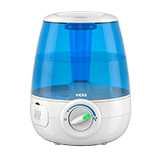
Top Cold Humidifiers for Healthier Living Conditions in Your Home
Maintaining optimal humidity levels in our homes is crucial for overall health and well-being, particularly during the colder months when indoor air tends to become excessively dry. According to the Environmental Protection Agency (EPA), indoor humidity levels should ideally be between 30% and 50% to promote respiratory health and prevent the proliferation of viruses and allergens. Cold humidifiers play a vital role in achieving these levels, especially in regions experiencing cold, dry winters.
Research indicates that low humidity can exacerbate health issues, such as dry skin, nosebleeds, and respiratory problems, making it imperative to address this concern. The American Academy of Pediatrics highlights that proper humidity can help alleviate common symptoms associated with allergies and asthma. By introducing cold humidifiers into our homes, we can enhance air quality and mitigate the adverse effects of dry air, thereby fostering a healthier living environment.
As we explore the top cold humidifiers available, it is essential to consider their impact on health and comfort. With well-designed systems that efficiently maintain humidity, these devices not only contribute to a more pleasant indoor climate but also support better respiratory health. In this context, understanding the benefits and features of cold humidifiers becomes a key factor in making informed choices for healthier home conditions.
Top Cold Humidifiers: Understanding Their Impact on Indoor Air Quality
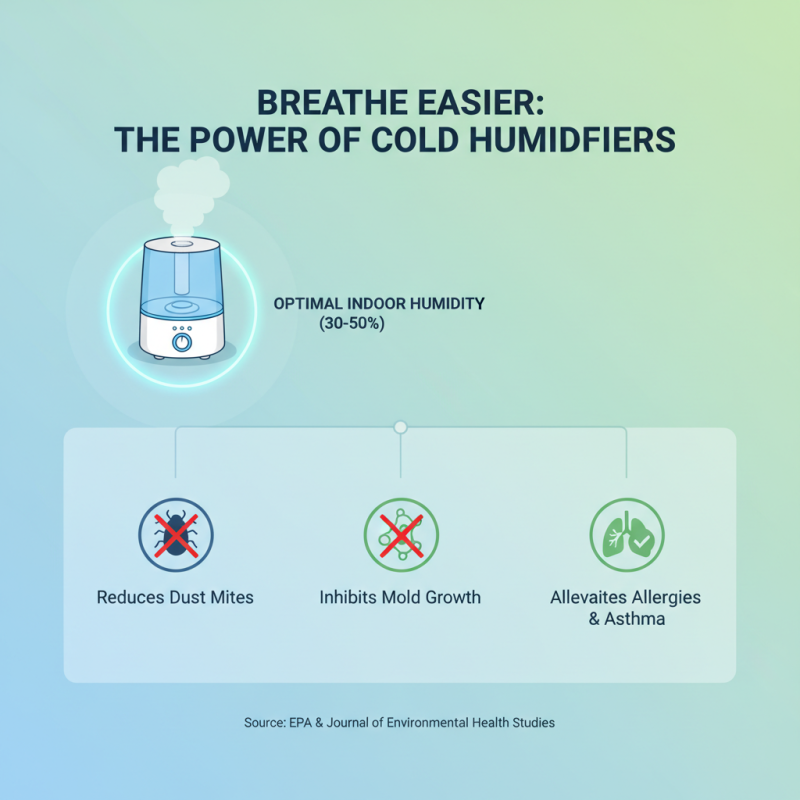
Cold humidifiers play a crucial role in improving indoor air quality, particularly in environments with low humidity levels. According to the Environmental Protection Agency (EPA), maintaining an indoor humidity level of 30-50% can significantly reduce the prevalence of allergens and respiratory irritants. A study published in the Journal of Environmental Health indicated that optimal humidity levels can decrease the viability of dust mites and mold spores, thereby minimizing asthma and allergy symptoms. These findings underscore the importance of selecting an appropriate cold humidifier to create a healthier living space.
When choosing a cold humidifier, it’s essential to consider the size of the room and the humidification capacity of the device. A popular guideline is to ensure the humidifier can handle the square footage of the space effectively. Additionally, regular maintenance—including cleaning and filter replacement—can enhance performance and prevent the growth of harmful bacteria or mold within the unit.
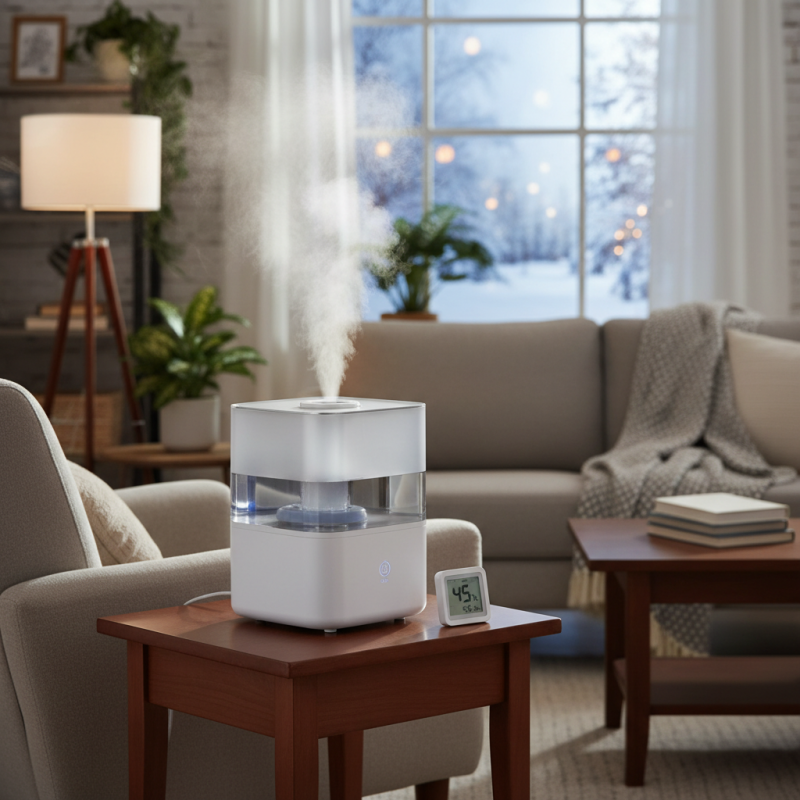
**Tips:** To maximize the benefits of your cold humidifier, consider using a hygrometer to monitor indoor humidity levels. Adjust settings as needed to maintain optimal conditions. Additionally, position the humidifier away from walls and furniture to ensure even distribution of moisture and prevent water damage.
Key Benefits of Cold Humidifiers for Respiratory Health and Comfort
Cold humidifiers play a vital role in enhancing respiratory health and overall comfort within home environments. By maintaining optimal humidity levels, these devices help to alleviate common respiratory issues such as dryness, irritation, and congestion. When the air is humidified, it aids in keeping the mucous membranes in the respiratory tract moist, which can significantly reduce the risk of infections and promote easier breathing. For those suffering from allergies or asthma, a cold humidifier can serve as a crucial tool in managing symptoms by reducing the impact of irritants commonly found in dry air.
In addition to respiratory benefits, cold humidifiers contribute to overall comfort within the home. Dry air can lead to discomfort, including dry skin and static electricity. By introducing moisture back into the air, these devices create a more pleasant living environment. Furthermore, the cool mist produced by cold humidifiers can help lower ambient temperatures, providing relief during warmer months. This combination of comfort and health benefits makes cold humidifiers an essential addition to any household, promoting a healthier lifestyle and enhancing daily well-being.
Top Cold Humidifiers for Healthier Living Conditions
Technical Features: How Cold Humidifiers Improve Humidity Levels
Cold humidifiers play a crucial role in achieving optimal humidity levels in your home, creating a more comfortable and healthier living environment. By using a process called ultrasonic or evaporative cooling, these devices release a fine mist of cool water vapor into the air, which not only hydrates the atmosphere but also helps in reducing aggressive indoor dryness that can lead to respiratory issues, skin irritations, and dry eyes. The ability to maintain ideal humidity levels (typically between 30% to 50%) is vital in preventing the proliferation of allergens like dust mites and mold, promoting overall well-being.
In terms of technical features, cold humidifiers often come equipped with advanced mechanisms that allow for precise humidity control. Many models include built-in hygrometers that monitor humidity levels in real-time, adjusting the output automatically to ensure consistent levels. Additionally, some units feature customizable settings, allowing users to choose the desired humidity percentage and mist intensity. This adaptability not only enhances comfort but also contributes to energy efficiency, as cold humidifiers usually consume less electricity compared to traditional hot steam humidifiers. Furthermore, several units incorporate filtration systems to purify the water before it is vaporized, ensuring that the mist released into your home is clean and free of impurities.
Comparative Analysis: Top Cold Humidifier Models and Their Efficiency Ratings
When evaluating cold humidifiers, it's essential to consider their efficiency ratings, as these factors significantly influence indoor air quality and overall health. According to the Environmental Protection Agency (EPA), maintaining optimal humidity levels between 30% and 50% can help reduce respiratory issues, decrease the spread of viruses, and improve skin health. A comparative analysis of leading cold humidifier models reveals that units with high-efficiency particulate air (HEPA) filters tend to significantly outperform their counterparts, especially in pollen and allergen removal. Reports from the Association of Home Appliance Manufacturers (AHAM) indicate that these models can reduce airborne particles by up to 99%, making them invaluable in environments where air quality is a priority.
Further examination of energy efficiency among cold humidifiers shows that models with Energy Star ratings consume up to 30% less energy than standard units. This not only helps in reducing electricity bills but also contributes to a more sustainable household. A survey conducted by the Consumer Reports found that the highest-rated cold humidifiers had a sound level below 30 decibels, ensuring a quiet operation that does not disrupt daily activities. In essence, the analysis underscores the importance of selecting cold humidifiers based on their efficiency ratings and features, which can lead to healthier living conditions and enhanced well-being at home.
Maintenance and Care: Ensuring Optimal Performance of Your Humidifier
Maintaining a proper humidity level in your home is crucial for both comfort and health, particularly during the colder months when indoor air tends to be drier. According to the Environmental Protection Agency (EPA), the ideal indoor humidity level should be between 30% and 50%. To ensure your humidifier operates efficiently and effectively, regular maintenance is paramount. Neglecting this aspect can lead to issues such as microbial growth, which can exacerbate respiratory problems. A study published in the Journal of Allergy and Clinical Immunology indicates that poorly maintained humidifiers can release bacteria and mold into the air, potentially resulting in a 20% increase in allergy symptoms among sensitive individuals.
To ensure optimal performance, it's essential to clean your humidifier at least once a week. This process typically involves disassembling the unit, rinsing it with warm, soapy water, and disinfecting surfaces with a solution appropriate for the device. Additionally, it is advisable to replace the filters regularly, as clogged or dirty filters can hinder airflow and reduce efficiency. The American Society of Heating, Refrigerating and Air-Conditioning Engineers (ASHRAE) recommends replacing filters every 1-3 months, depending on use. By adhering to these maintenance practices, not only can you enhance the lifespan of your humidifier, but you can also create a healthier living environment that mimics the natural humidity levels beneficial for respiratory health.
Top Cold Humidifiers for Healthier Living Conditions in Your Home - Maintenance and Care: Ensuring Optimal Performance of Your Humidifier
| Humidifier Type |
Room Size (sq ft) |
Water Tank Capacity (gallons) |
Runtime (hours) |
Filter Requirement |
Maintenance Frequency |
| Evaporative |
Up to 600 |
1.5 |
24 |
Yes |
Every 2-4 weeks |
| Ultrasonic |
Up to 800 |
1.8 |
30 |
No |
Every month |
| Steam Vaporizers |
Up to 400 |
1.0 |
8 |
No |
Every 2-3 days |
| Impeller Humidifiers |
Up to 500 |
1.2 |
16 |
Yes |
Every 4-6 weeks |