
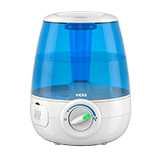
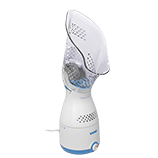
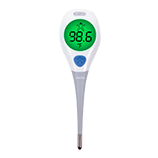
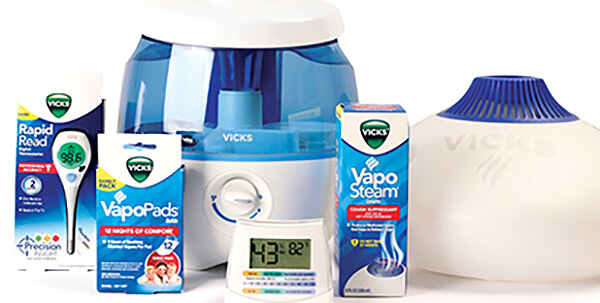

Vicks products are available for purchase online and in-store at most major retailers.
VICKS SUPPORT
View product-specific FAQs & videos
Choosing the right feeding bottle bpa free supplier requires more than comparing prices or browsing polished product photos. Buyers need evidence that materials, manufacturing controls, and quality claims can withstand careful review. This guide examines leading suppliers worldwide through practical purchasing criteria, including bottle materials, nipple design, production capacity, customization, testing documents, and export experience. A reliable supplier should clearly identify whether bottles use polypropylene, silicone, glass, or other food-contact materials. Clear documentation matters.
Real-world details often reveal more than a sales presentation. Inspectors should ask about factory audits, batch traceability, leak testing, sterilization guidance, and packaging conditions. A sample bottle should feel balanced in the hand, close securely, and remain odor-free after repeated washing. Supplier responses also deserve attention. Delayed answers, vague certificates, or inconsistent specifications may signal future problems. Small warning signs matter.
This overview draws on common procurement practices, product evaluation experience, and publicly available supplier information. It does not assume that the largest manufacturer is automatically the best choice. Some smaller factories may offer stronger communication or more flexible private-label support. However, they may have limited capacity or less mature quality systems. That trade-off deserves honest consideration. Standards and testing requirements can also vary by destination market, so buyers should verify current obligations with qualified professionals. Supplier rankings may change as certifications, facilities, and production performance develop. Use this guide as a focused starting point, then request samples, confirm documentation, and assess whether each supplier can deliver safe, consistent products at scale.
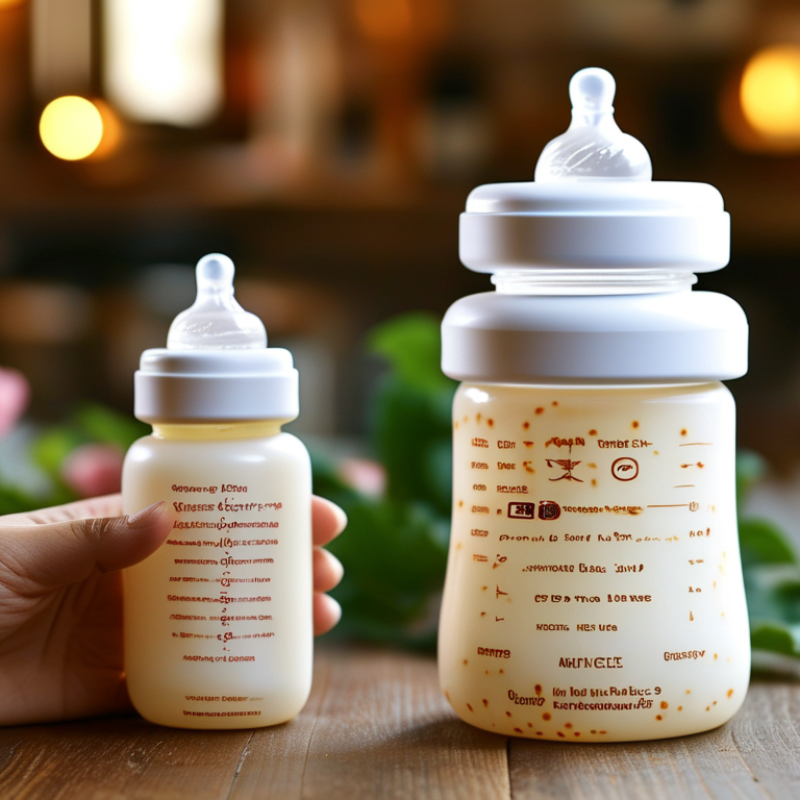
What Makes a Feeding Bottle BPA-Free?
A BPA-free feeding bottle should contain no intentionally added bisphenol A in its food-contact parts. These parts include the bottle, cap, collar, and sometimes the printed scale. The label is not proof. Reliable suppliers provide material declarations, batch traceability, and migration test reports from ISO/IEC 17025 laboratories. Polypropylene, glass, silicone, and stainless steel are common alternatives, but each material needs separate testing.
EFSA’s 2023 scientific opinion lowered the tolerable daily intake for BPA to 0.2 nanograms per kilogram of body weight daily. Its assessment appears in EFSA Journal, 21(4), 6855. European Commission Regulation (EU) 2018/213 also sets strict migration controls for BPA in food-contact materials. These figures show why supplier claims should connect with laboratory evidence. A bottle can look clean and feel strong, yet heat, scratching, or repeated washing may affect chemical migration. One test may not represent every household. That detail deserves more attention.
Tips: Ask for the exact material grade and testing date. Check whether reports cover hot water, sterilization, and repeated use. Avoid microwaving plastic unless validated by the manufacturer. Replace bottles with deep scratches, cloudiness, or damaged seals. Test evidence matters.
Choosing a reliable BPA-free feeding bottle supplier requires more than checking a product label. In practical sourcing work, I examine material declarations, independent laboratory reports, and batch traceability. The supplier should identify every plastic, silicone, ink, and adhesive used. A certificate without a test date deserves closer review. Manufacturing consistency matters too. Inspect bottle walls, threads, seals, and nipple flow under repeated use. Small defects can cause leaks, unpleasant odors, or unsafe feeding conditions.
Global suppliers should provide clear factory information, quality-control procedures, and realistic production timelines. Ask how they manage raw-material changes, rejected batches, and customer complaints. A capable supplier can explain sterilization limits without vague promises. They should also support samples from the same production line used for bulk orders. Price is important, but a low quote may hide weak testing or unstable supply. I have found that communication delays often predict larger problems. Still, no scorecard is perfect.
Tips: Request recent BPA testing, not only a general compliance statement. Compare sample performance after repeated washing and sterilization. Check whether packaging protects each bottle from dust and deformation. Confirm minimum order quantities, inspection rights, replacement terms, and shipping documents in writing. Keep a small trial order before making a long-term decision. Suppliers may look impressive online, yet factory evidence remains more reliable.
Top BPA Free Feeding Bottle Suppliers Worldwide
Leading BPA-free feeding bottle suppliers usually fall into several practical categories. OEM manufacturers support custom shapes, colors, nipples, and packaging. Material specialists focus on polypropylene, PPSU, silicone, or glass bottles. Some suppliers provide complete feeding systems, including caps, vents, brushes, and replacement parts. This category structure helps buyers compare more than price. It also reveals production strengths. A supplier may offer excellent molding but weak packaging control. That detail matters during long-distance shipping.
Experienced buyers should review material declarations, migration test reports, batch traceability, and factory quality procedures. Ask whether testing covers the finished bottle, not only raw resin. Production samples should be checked for odor, wall thickness, leakage, and nipple flow. I have found that clear documentation often predicts smoother cooperation. Still, certificates alone cannot prove consistent workmanship. An overlooked inspection step can create problems later.
Tips: Request samples from each supplier category. Test them with warm water, repeated washing, and realistic handling. Compare sealing performance after several uses. Check whether replacement parts remain available. Ask for production photos or a live factory audit when possible. Do not choose the cheapest option automatically. A lower unit price may hide higher defect rates. No category is perfect. Reassess your decision after testing, because first impressions can be misleading.
Top BPA Free Feeding Bottle Suppliers Worldwide?
Quality and safety begin with verified materials, not a BPA-free label alone. Reliable suppliers should identify the bottle resin, nipple material, additives, and production location. They should provide recent migration-test reports from independent laboratories. These reports can help confirm that materials remain suitable during normal feeding conditions. Check compliance with recognized food-contact requirements in the target market. Ask about traceability, batch numbers, and documented quality controls.
A practical supplier also tests the complete bottle, not only its plastic body. The cap, seal, nipple, and printed markings may affect safety. Look for leak testing, odor checks, heat resistance, and repeated-use evaluations. A bottle that survives boiling water but develops cracks after several cycles needs closer review. Certification is useful. It is not the whole answer. Some suppliers may present old reports, and buyers often overlook this detail.
Tips: Request samples from multiple production batches. Inspect the threads, seal, and nipple after washing. Ask whether reports cover the finished product. Confirm storage instructions and replacement guidance. Keep every document with the purchase record. No supplier is perfect. Clear answers, consistent testing, and honest limits reveal professional reliability.
| Supplier Region / Profile | Common Bottle Materials | Typical Capacity Range | Common Safety & Compliance Frameworks | Typical Quality Documentation | Typical OEM / Private-Label MOQ | Typical Production Lead Time | Key Evaluation Point |
|---|---|---|---|---|---|---|---|
| Mainland China High-volume OEM and export-oriented suppliers | Polypropylene (PP), silicone, borosilicate glass, Tritan-type copolyester where legally permitted | 120–330 ml for infant bottles; 240–500 ml for toddler bottles | EN 14350, EU Regulation 1935/2004, EU Regulation 10/2011 for plastic food-contact materials, FDA food-contact requirements for the U.S. market, CPSIA where applicable | Migration test reports, BPA and restricted-substance declarations, material certificates, factory quality records, batch inspection reports | Usually 1,000–10,000 units, depending on mold, decoration, and packaging requirements | 25–60 days after approved samples and artwork | Confirm that testing covers the finished bottle, nipple, cap, valve, coating, ink, and packaging—not only the raw resin |
| Taiwan Engineering-focused manufacturers with strong tooling and process control | PP, silicone, PPSU, borosilicate glass, stainless steel components | 150–330 ml for infant feeding; 300–500 ml for training use | EN 14350, EU food-contact requirements, U.S. FDA food-contact requirements, ISO 9001-based quality systems are commonly available | Third-party chemical migration reports, dimensional inspection records, traceability documents, silicone-grade declarations | Often 2,000–8,000 units for customized production | 30–70 days, including tooling or decoration approval | Evaluate dimensional consistency, nipple-flow control, sealing performance, and repeatability between production lots |
| South Korea Premium-design and material-traceability-oriented suppliers | PP, silicone, PPSU, borosilicate glass, stainless steel | 160–330 ml for feeding; 300–500 ml for older children | Korean food-contact requirements, EN 14350, EU food-contact rules, FDA requirements for U.S. distribution, CPSIA where applicable | Material traceability, heavy-metal and migration testing, production inspection records, packaging compliance declarations | Commonly 1,000–5,000 units for standard private-label programs | 30–75 days | Check decorative coatings and printed areas for food-contact suitability and migration compliance |
| Japan Precision, durability, and process-documentation-focused suppliers | PP, silicone, PPSU, borosilicate glass, stainless steel | 120–240 ml for infants; 240–330 ml for toddlers | Japan Food Sanitation Act requirements, EN 14350 for applicable European sales, EU food-contact rules, FDA requirements for applicable U.S. sales | Food-contact declarations, material specifications, dimensional records, lot traceability, cleaning and durability test results | Frequently 1,000–5,000 units; custom programs may require more | 45–90 days | Verify heat resistance, sterilization-cycle performance, dimensional fit, and replacement-part availability |
| European Union Regulation-led suppliers serving premium and regional retail channels | PP, silicone, borosilicate glass, stainless steel, PPSU | 90–330 ml for infant feeding; 300–500 ml for training bottles | EN 14350, EU Regulation 1935/2004, EU Regulation 10/2011 for plastics, REACH restrictions, EU Good Manufacturing Practice requirements | EU Declaration of Compliance, migration testing, REACH statements, batch traceability, quality-management documentation | Usually 500–5,000 units, with higher pricing for low-volume customization | 30–90 days | Request documentation for the exact SKU and verify that EN 14350 testing reflects the current design revision |
| United States & Canada Compliance-driven suppliers for North American distribution | PP, silicone, glass, stainless steel, PPSU and other specified food-contact polymers | 120–330 ml for infant feeding; 240–500 ml for toddler use | U.S. FDA food-contact regulations, CPSIA requirements where applicable, California Proposition 65 assessment where applicable, Canadian food-packaging requirements | FDA food-contact compliance letters, CPSIA testing where applicable, chemical screening, batch inspection, supplier declarations | Commonly 500–5,000 units for stocked or semi-custom programs | 20–75 days for domestic or imported private-label production | Do not rely on a “BPA-free” statement alone; verify all food-contact substances and applicable state or federal requirements |
| Turkey & Eastern Europe Regional suppliers with shorter access to European distribution | PP, silicone, glass, stainless steel | 120–330 ml for feeding; 300–500 ml for training use | EN 14350, EU Regulation 1935/2004, EU Regulation 10/2011 for plastics, REACH requirements for applicable products | Migration reports, EU declarations of compliance, material certificates, lot records, packaging specifications | Approximately 1,000–10,000 units | 30–75 days | Review the supplier’s laboratory accreditation and confirm testing is performed on assembled products |
| India & Southeast Asia Growing OEM capacity with competitive production options | PP, silicone, glass, stainless steel, selected engineering plastics | 120–330 ml for infant bottles; 240–500 ml for toddler bottles | Applicable national food-contact rules, EN 14350 for European markets, FDA requirements for U.S. markets, CPSIA where applicable | Third-party migration testing, BPA and phthalate declarations, material certificates, pre-shipment inspection reports | Usually 1,000–10,000 units; smaller quantities may be available for standard designs | 30–75 days, excluding international shipping | Assess mold maintenance, process consistency, closure leakage, nipple durability, and independent test coverage |
How to Select the Right Supplier for Your Market
Selecting a BPA-free feeding bottle supplier requires more than comparing prices. Grand View Research estimates the global baby bottles market could grow at about 5% annually through 2030. Mordor Intelligence also expects steady expansion, although market estimates differ. That difference deserves attention. A supplier should provide recent third-party test reports, material specifications, and batch traceability. Request testing from an ISO 17025-accredited laboratory. Confirm BPA results for the bottle, cap, teat, and printing inks. A “BPA-free” label alone is not enough.
Market fit matters just as much. Check whether the supplier supports your required bottle volume, neck standard, sterilization method, and packaging language. Retailers may need low minimum order quantities, while distributors often require stable monthly capacity. Ask for production samples and inspect the thread, seal, teat flow, and odor after repeated washing. These small details affect returns. They are easy to overlook during online negotiations.
Tips: Compare three suppliers using the same checklist. Verify certificates directly with the testing laboratory. Ask for a corrective-action record, not only polished samples. Review delivery performance over six months. Some suppliers promise flexibility but change materials after approval. Put the approved resin, color, dimensions, and tolerance limits into the purchase agreement. I would also test bottles in the target market’s water and sterilization conditions. Laboratory results may not reflect daily use perfectly.


