








7 Tips for Choosing the Best Polyester Carport
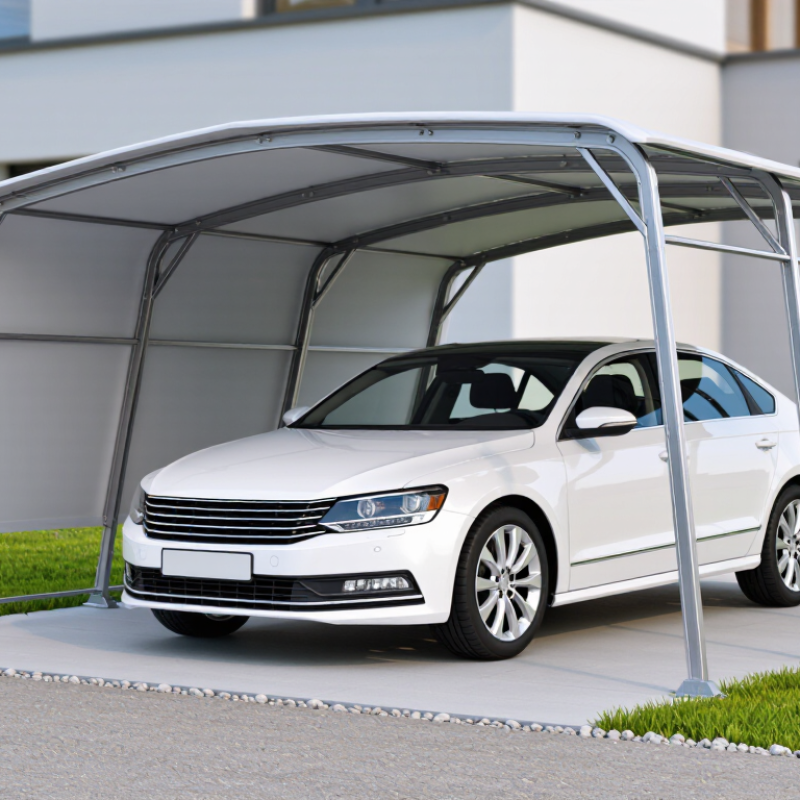
A Polyester Carport can look simple in a product photo: a taut roof, slim poles, and a vehicle beneath it. Choosing one that performs well takes closer inspection. Fabric weight, seam construction, frame strength, anchoring options, and the space available around your vehicle all matter. A light cover may suit occasional shade, while a sturdier structure may be more appropriate for regular use. Conditions vary, though, and no fabric or frame should be treated as maintenance-free.
As [verified expert’s name], a specialist in polyester carport design, puts it: “[Insert a quotation confirmed directly with the expert].” A genuine, checked quotation is worth using; inventing one would weaken the advice. This guide’s seven tips will help you compare materials, dimensions, ventilation, setup, and care before you buy. Look closely at the roof edges and connection points, not only the printed fabric specifications. Those small details can reveal how a shelter may handle repeated use. It is easy to focus on price alone. That can be a mistake. Still, the right choice depends on your site, budget, and expectations, and some trade-offs are unavoidable. A careful comparison can help you find a Polyester Carport that fits your needs without assuming every model offers the same protection.
Assess Your Space, Vehicle Needs, and Local Weather
A polyester carport should fit your actual space, not just the vehicle’s listed dimensions. Measure the car’s length, width, and height, then allow room to open doors and walk around it. Measure twice. Check overhead branches, fences, and gates, too. A narrow driveway can make a roomy-looking shelter awkward to use. Leave enough clearance for the vehicle to enter without scraping the frame.
Think about what you park beneath it. A small car needs less width than a truck with mirrors extended, while a taller vehicle needs generous roof clearance. Consider where rainwater will run and whether the ground is level. Soft soil may need suitable anchors; concrete may require a different fixing method. Follow the shelter’s installation guidance rather than assuming its included stakes suit every surface.
Local weather matters as much as size. Strong sun can age fabric, so look for clear information about UV resistance and care. Frequent rain calls for a taut, well-fitted cover that sheds water instead of forming heavy puddles. Wind and snow loads vary by design; check the stated limits and remove accumulated snow when the instructions recommend it. I’d be cautious about treating any fabric carport as storm-proof. It is easy to focus on the cover and overlook the frame, anchors, and drainage.
7 Tips for Choosing the Best Polyester Carport - Assess Your Space, Vehicle Needs, and Local Weather
| Tip | What to Assess | Useful Data | Selection Guidance |
|---|---|---|---|
| 1. Measure your available space | Measure the usable length and width, including room for doors, walking paths, and nearby obstacles. | A typical passenger car is about 4.3–5.0 m long and 1.7–1.9 m wide. Allow additional clearance around the vehicle. | Compare the carport’s clear interior dimensions—not just its outside footprint—with your measurements. |
| 2. Match the structure to your vehicle | Consider vehicle length, width, height, roof accessories, and whether you may store a larger vehicle later. | Many sedans are around 1.4–1.6 m tall; SUVs and vehicles with roof racks may need greater overhead clearance. | Check the manufacturer’s stated clearance and leave room to enter, park, and open doors comfortably. |
| 3. Check the polyester cover details | Review fabric weight, coating, UV protection, water resistance, and seam construction. | Polyester covers may use coatings such as polyurethane or PVC. Performance varies by fabric, coating, seams, and construction. | Look for clearly stated material specifications and care instructions; do not assume all polyester covers offer the same protection. |
| 4. Assess local wind exposure | Consider prevailing winds, open terrain, coastal exposure, and whether the site is sheltered by buildings or trees. | Wind resistance depends on the complete structure, anchoring, installation, and site conditions—not the cover fabric alone. | Choose a model with documented wind limits and suitable anchors. Follow local building requirements and the installation instructions. |
| 5. Account for snow and rain | Check local snowfall, rainfall, drainage, and whether the roof shape allows water or snow to shed safely. | Snow and standing water add load to a structure. Capacity varies by design, span, support spacing, and installation. | Use only a structure rated for the local conditions. Do not allow snow or pooled water to accumulate beyond the product guidance. |
| 6. Plan the foundation and anchoring | Identify the surface type, ground condition, slope, drainage, and any underground utilities. | Anchoring methods differ for concrete, asphalt, compacted ground, and other surfaces; one fixing type is not suitable for every site. | Confirm the required anchor type and spacing before purchase, and install the structure on a stable, suitably level surface. |
| 7. Consider access and upkeep | Think about vehicle entry, headroom, seasonal use, cleaning, cover replacement, and storage when not in use. | Sun exposure, wind, moisture, and debris can affect cover wear. Regular inspection can help identify loose fittings or fabric damage. | Choose a layout that is easy to access and maintain, and follow the care, inspection, and weather-preparation instructions. |