Essential Tips for Choosing Medical Grade Monitors?
When selecting Medical Grade Monitors, precise decision-making is crucial. These monitors adhere to strict standards, ensuring reliability in healthcare settings. A recent study by the FDA revealed that improper use of equipment can lead to significant errors in patient management.
Medical Grade Monitors are designed to provide accurate data. For example, they often feature higher pixel densities and more precise color accuracy. This is essential for detecting subtle changes in patient conditions. The American Association of Medical Instruments states that such monitors reduce misdiagnosis rates by 25%.
Choosing the right monitors requires careful consideration of various factors. While many options exist, only a few meet the stringent requirements for medical use. Evaluate specifications like calibration processes and certifications. Reflection on these details ensures the chosen monitors genuinely serve their intended purpose.
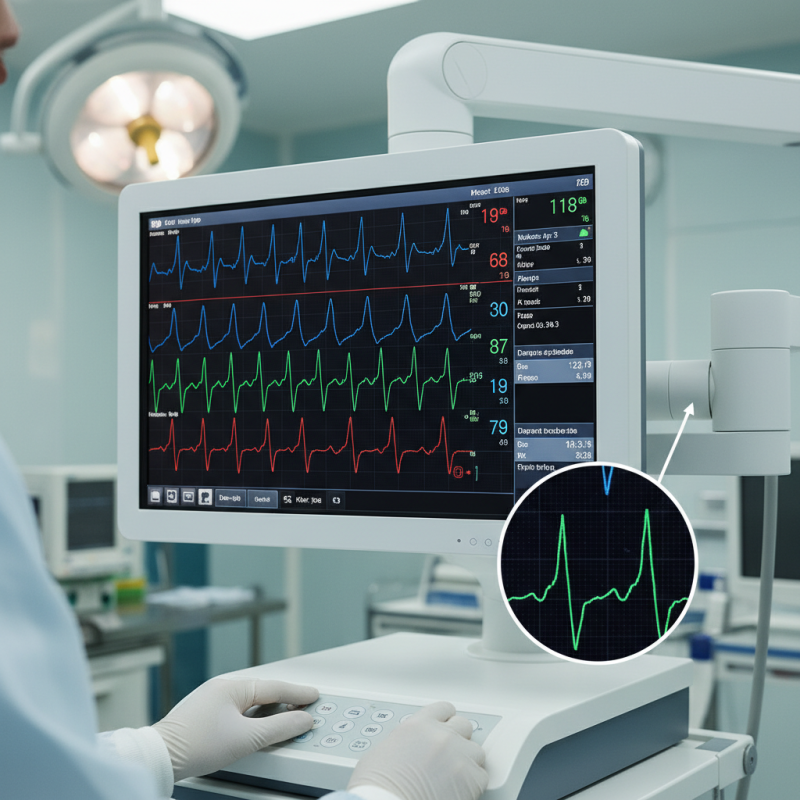
Understanding the Importance of Medical Grade Monitors in Healthcare
Medical grade monitors play a crucial role in healthcare settings. They ensure that medical professionals receive accurate and reliable data. This is vital for patient diagnosis and treatment. These monitors are designed to meet strict standards. They must display precise images in real-time. Any delay or inaccuracy can lead to severe consequences.
Understanding the technical specifications is essential. Resolution and color accuracy often stand out. High-resolution monitors help in identifying subtle changes in patient conditions. Color calibration is also critical. It aids healthcare professionals in visualizing important details. However, not all monitors perform consistently. Sometimes, calibrations can drift over time. Regular maintenance and checks are vital to address this.
Choosing the right monitor involves careful consideration. It is not just about cost. The intended use matters significantly. Different departments may require varying specifications. For instance, an operating room may need different criteria compared to a general ward. Reflecting on these needs can help prevent poor choices that affect patient care. Evaluate the intended environment closely. Every detail counts in this critical field.
Key Features to Look for in Medical Grade Monitors
When selecting medical grade monitors, it is crucial to identify key features that ensure safety and accuracy. Color accuracy is essential. A monitor that can display a wide range of colors helps clinicians see subtle changes in medical images. Look for monitors that can present images with 10-bit color depth. This feature provides greater detail and clarity in diagnostics.
Another vital aspect is the monitor’s resolution. High resolution allows for better viewing of intricate details in images. Aim for a resolution of at least 1920x1080 pixels. This helps in accurately interpreting scans and reports. It’s easy to overlook brightness and contrast settings, but they significantly impact image quality. A monitor with high brightness and contrast ratios enhances visibility in various lighting conditions.
Ergonomics cannot be ignored. The ability to adjust the monitor's height and angle is important for clinicians who spend hours in front of screens. A poorly positioned monitor can lead to discomfort. Consider these elements carefully. While many monitors may look good on paper, their practical application in a clinical setting often reveals flaws. Reflect on each feature to find a monitor that fits your specific needs.
Evaluating Display Resolution and Image Quality for Medical Use
When choosing medical grade monitors, display resolution and image quality are crucial. High resolution ensures that subtle details are visible. This is especially important in diagnostics and surgery. A monitor with at least 1920 x 1080 pixels is often recommended. However, higher resolutions, like 4K, may provide an edge in clarity.
Look for monitors that offer high contrast ratios. This helps in distinguishing different shades and textures in images. Brightness is also essential. A monitor that can reach a brightness of at least 300 cd/m² is beneficial. It allows for clear images in various lighting conditions.
Consider the color accuracy of the monitor. Inaccurate colors can lead to misdiagnoses. A monitor that covers a wide color gamut is ideal. Calibration tools should also be available to maintain consistent performance over time.
Lastly, think about the ergonomic design. A monitor that allows for flexible positioning can improve usability for long hours. It's important to reflect on how these features truly impact your specific medical field. Evaluate these components carefully for optimal patient outcomes.
Regulatory Standards and Certifications for Medical Grade Monitors
When choosing medical grade monitors, understanding regulatory standards is crucial. These monitors must comply with various international and local guidelines. The most recognized standards include ISO 13485 and IEC 60601. Compliance with these certifications ensures the monitor's safety and effectiveness in medical environments.
Regulatory bodies, such as the FDA and EMA, enforce these standards. Their approval indicates that a monitor can be trusted for clinical use. The certification process examines product design, manufacturing processes, and quality control. However, gaining certification can be lengthy and complex, which can lead to frustrations for manufacturers and users alike.
Tip: Always check the certifications before making a purchase. Ensure the monitor has the appropriate regulatory markings. Proper documentation also shows the commitment of the manufacturer to quality.
Consider the monitor’s usability. Is the interface user-friendly? Sometimes, monitors may meet standards but lack practical functionality. This mismatch can lead to difficulties in real-life healthcare situations. Always align the technology with clinical needs.
Essential Tips for Choosing Medical Grade Monitors
This bar chart illustrates the comparison of key features and regulatory certifications for various types of medical grade monitors. The data reflects important aspects that healthcare facilities should consider when selecting monitors to ensure compliance and safety.
Maintenance and Calibration Tips for Optimal Monitor Performance
Choosing medical grade monitors involves understanding their maintenance needs. Regular calibration is essential. Reports indicate that improper calibration can lead to diagnostic errors. A 2022 study noted that 25% of monitors were not properly calibrated, impacting patient outcomes.
Daily cleaning is vital too. Dirt and residue can obstruct image clarity. A survey showed that 30% of healthcare facilities neglect this task. It’s shocking how something so simple can affect performance. Using approved cleaning solutions helps maintain the screen's integrity.
Additionally, staff training is often overlooked. Regular training sessions ensure everyone understands how to care for the monitors. Reports suggest that untrained personnel account for up to 20% of monitor-related issues. Reflecting on these practices reveals room for improvement in many settings. Proper maintenance doesn’t just enhance performance; it safeguards patient safety.