What is a Temperature and Humidity Sensor and How Does It Work?
In recent years, the importance of a Temperature and Humidity Sensor has grown significantly. These devices play a key role in various industries, from agriculture to HVAC systems. According to Dr. Emily Zhang, a leading expert in environmental monitoring, "Understanding temperature and humidity dynamics is essential for optimizing performance across many fields."
The functionality of a Temperature and Humidity Sensor lies in its ability to monitor and convey critical environmental data. These sensors detect fluctuations in temperature and humidity levels, helping to maintain safe and efficient conditions. Accurate readings can prevent damage to sensitive materials and enhance energy efficiency in buildings.
However, not all sensors are created equal. Some may struggle to provide real-time data or withstand harsh conditions. Therefore, ongoing evaluation and testing of these sensors are crucial. Exploring their technology can lead to better solutions. As the industry evolves, the value of precision remains paramount.
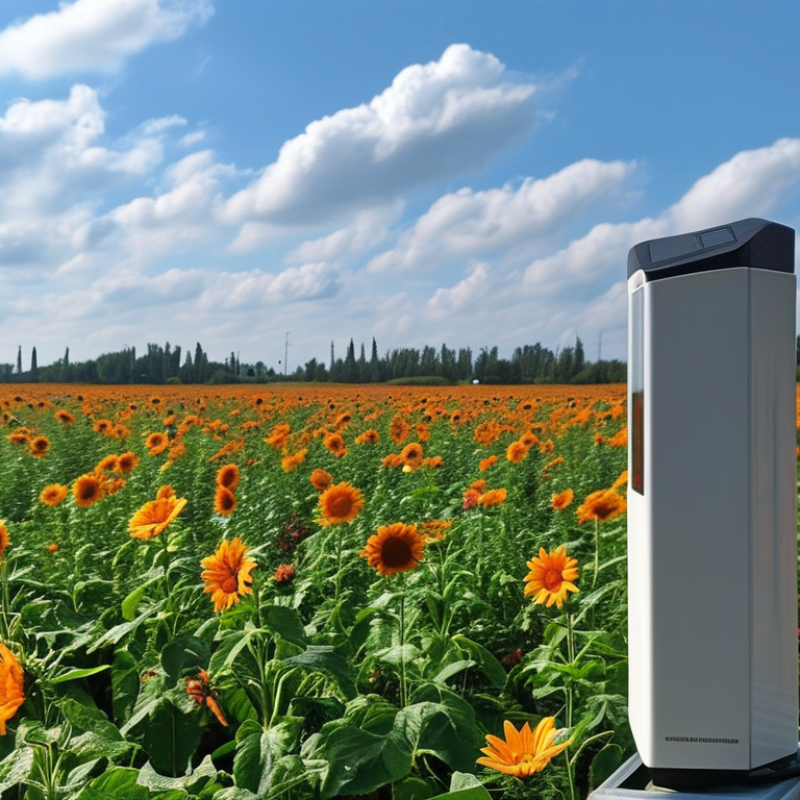
What is a Temperature and Humidity Sensor?
Temperature and humidity sensors are essential devices used in various applications. They measure environmental conditions, providing valuable data for monitoring and control. These sensors typically work by utilizing specific materials that react to changes in temperature and moisture. For instance, thermistors can measure temperature changes accurately, while hygrometers assess humidity levels.
The design of these sensors can be quite intricate. Many employ electronic components, while others use mechanical parts. Some sensors operate based on electrical resistance changes, while others might rely on capacitive methods. Accurate functioning depends on regular calibration and precise measurements. However, sensors can sometimes fail or provide inaccurate readings, which can lead to significant issues in sensitive environments, like laboratories or greenhouses.
Moreover, the reliability of these devices can be influenced by environmental factors. Dust, temperature fluctuations, and even the placement of the sensor can affect performance. Identifying the right kind of sensor for specific needs is not always straightforward. These challenges underscore the importance of understanding the sensor's mechanics, ensuring optimal performance, and making informed decisions in sensor selection and deployment.
What is a Temperature and Humidity Sensor and How Does It Work?
| Parameter | Description | Unit | Typical Range |
| Temperature | A measure of the warmth or coldness of an environment. | °C (Celsius) | -40 to 85 |
| Humidity | The amount of moisture present in the air. | % | 0 to 100 |
| Operating Voltage | The voltage at which the sensor operates. | V (Volts) | 3 to 5.5 |
| Response Time | The time taken to reach a stable output after a change in temperature or humidity. | ms (milliseconds) | < 200 |
| Accuracy | The degree of closeness of the measurements to the actual value. | % | ±1-3 |
Types of Temperature and Humidity Sensors Available
Temperature and humidity sensors are essential in various industries, providing accurate environmental data. There are several types available on the market today, each offering unique features. The most common types include capacitive, resistive, and thermal sensors. Capacitive sensors measure changes in electrical capacitance due to moisture and temperature variations. This type of sensor is known for its accuracy and long-term stability.
Resistive sensors, on the other hand, work by detecting changes in resistance associated with humidity levels. These sensors are often used in HVAC systems, where humidity control is vital. Thermal sensors, which function by measuring heat transfer related to air flow, are commonly utilized in weather stations and climate monitoring. According to industry research, the global temperature and humidity sensor market is expected to reach USD 8.25 billion by 2026.
When selecting a sensor, consider factors such as the required accuracy and response time. Some sensors may struggle under extreme conditions, leading to potential errors in data collection. It is crucial to regularly calibrate and maintain the sensors to ensure data reliability. Challenges in integration also arise, particularly in older facilities lacking modern infrastructure. Understanding these limitations is vital for effective implementation.
How Temperature and Humidity Sensors Work
Temperature and humidity sensors are essential tools in various industries. These devices measure the moisture level and temperature of the environment. They are crucial for maintaining optimal conditions in spaces like greenhouses, storage facilities, and living areas. Understanding how these sensors operate helps in comprehending their significance.
These sensors typically use two primary elements: a humidity sensing material and a temperature probe. The humidity sensor can be a capacitive or resistive type, responding to changes in moisture. As humidity levels change, so does the electrical signal generated by the sensor. This process is fairly intricate but vital for accurate readings. The temperature probe, often based on thermistors or RTDs, measures heat and provides crucial data for the humidity sensor to function effectively.
In choosing a sensor, consider the environment's needs and constraints. Placement matters significantly; sensor performance can decline if not positioned correctly. Be aware of exposure to extreme conditions, which can affect accuracy. Regular calibration is essential for reliable measurements. Otherwise, users might find themselves making misguided decisions based on flawed data. Ensuring precision requires ongoing attention and periodic testing.
Temperature and Humidity Sensor Data for September 2023
Applications of Temperature and Humidity Sensors
Temperature and humidity sensors play a crucial role in various industries, shaping the way environments are monitored and controlled. In agriculture, they help optimize growth conditions. Data from the USDA indicates that proper humidity levels can increase crop yields by up to 30%. These sensors ensure that greenhouses maintain the ideal climate, promoting healthy plant growth and reducing water usage.
In the food industry, temperature and humidity sensors are vital for preserving product quality. According to the Food and Drug Administration (FDA), improper storage conditions can lead to food spoilage, costing businesses billions annually. Precise monitoring helps maintain optimal conditions in storage and transport, preventing waste and ensuring consumer safety.
It’s essential to consider sensor placement for accurate readings. Next to walls or in direct sunlight can lead to misleading data. Regular calibration is necessary to maintain reliability. Checking your sensors every few months can safeguard against inaccuracies. Experimenting with different sensors in various environments can also yield surprising insights into their performance.
Benefits of Using Temperature and Humidity Sensors
Temperature and humidity sensors play a crucial role in various industries. They help monitor and maintain optimal conditions for storage, production, and daily operations. In agriculture, for example, maintaining ideal humidity levels can enhance crop yield significantly. Studies have shown that proper humidity control can increase productivity by up to 30%.
In the HVAC industry, these sensors are vital for energy efficiency. According to a recent industry report, integrating temperature and humidity sensors into HVAC systems can reduce energy consumption by 15-20%. Users typically see a significant return on investment through lower utility bills. These sensors allow for adaptive control strategies, ensuring systems respond dynamically to changes in the environment.
Additionally, temperature and humidity sensors help improve indoor air quality. High humidity levels can lead to mold growth and health issues. Ensuring consistent monitoring helps mitigate these risks. Reports indicate that up to 50% of indoor air quality complaints are linked to humidity problems. This data underscores the importance of these sensors in creating healthier living and working spaces. Despite their benefits, many businesses still underutilize these tools and overlook potential improvements in efficiency and safety.