





How to Choose the Best Magnetic Snap for Your Products
A Magnetic Snap may look like a small detail, but users notice it every time they open a bag, wallet, or garment. The right choice depends on more than appearance. Closure strength, material, installation method, and expected use all matter. A snap that feels secure on a sample can be awkward in daily use. That difference is easy to miss.
Design researcher Don Norman wrote, “Good design is actually a lot harder to notice than poor design, in part because good designs fit our needs so well that the design is invisible.” That principle offers a useful lens for choosing magnetic hardware. The closure should work naturally, without forcing users to tug at a flap or worry that it may open. Still, no single Magnetic Snap suits every product. A slim wallet may need a low-profile closure, while a frequently handled tote may call for a stronger hold and reinforced attachment points.
This guide looks at the practical checks behind a sound choice: magnet strength, snap size, finish, substrate compatibility, and wear testing. Check how the hardware behaves with the actual layers and lining, not just on a bare sample. Test repeated opening, too. A small mismatch can become irritating. And finishes can vary more than product photos suggest. These details deserve attention, even when the hardware seems minor. The best decision is not always the most powerful or polished one; it is the option that suits the product, its users, and the way it will be made.
What a Magnetic Snap Is and How It Works
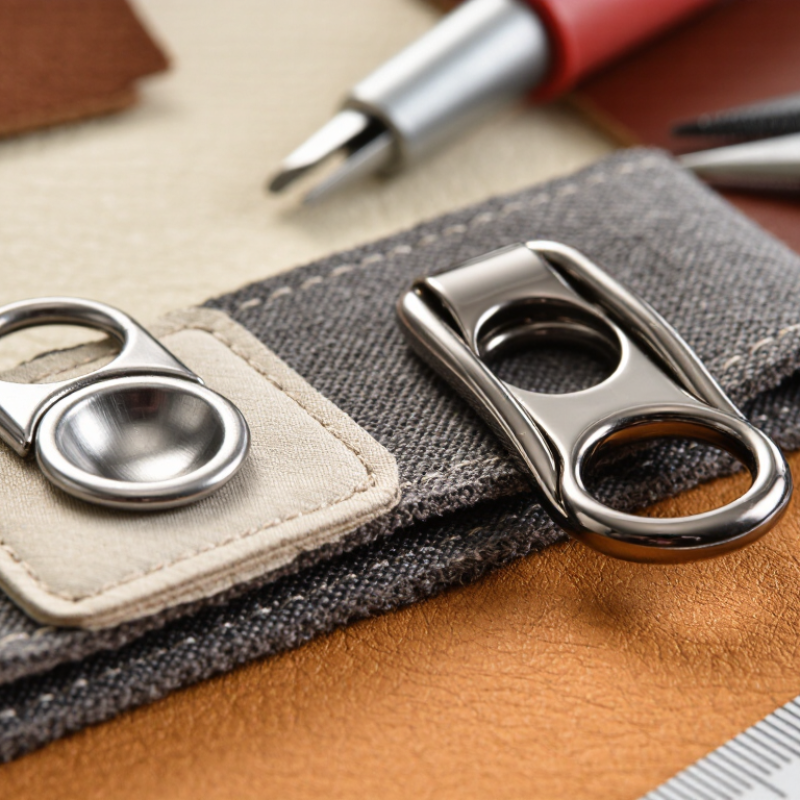
A magnetic snap is a two-part closure commonly used on bags, wallets, and fabric accessories. One half contains a magnet; the other usually holds a metal plate that attracts it. The parts sit on opposite sides of a flap and its body. When they line up, magnetic force draws them together and keeps the flap shut. Pulling the fabric apart releases the closure. It’s a simple mechanism. Some designs use different internal arrangements, so check the product specifications before choosing.
A snap works best when its two halves meet squarely. If the flap shifts, the closure may feel weak or fail to catch. A practical check is to close a sample repeatedly and feel for a clear, consistent pull. Also test the snap on the actual material: thick padding or stiff layers can leave a gap between the magnetic parts. A stronger magnet is not automatically better; it can make opening awkward or tug on delicate fabric. The details can be a little fiddly, and appearance alone won’t tell you how securely it closes.
Tips: Match snap size to flap thickness, and check the required mounting method. Test both closure strength and ease of opening before settling on a design.
| Selection Dimension | What It Is or How It Works | What to Consider |
|---|---|---|
| Basic definition | A magnetic snap is a closure made with a magnet and a matching metal component, commonly a steel plate or another magnet. It is used to hold two parts of a product closed. | Confirm that the closure suits the product’s opening style, appearance, and expected use. |
| How it closes | Magnetic attraction pulls the two closure components together when they are brought within range. The parts separate when the user pulls them apart with sufficient force. | Check that the closure aligns easily and opens without requiring excessive effort. |
| Main components | Common designs include a magnet, a mating metal plate or magnet, a housing or cap, and attachment features such as prongs, screws, or a sew-in pocket. | Choose an attachment method that works with the product’s material, construction, and manufacturing process. |
| Magnet material | Permanent magnets can be made from materials such as neodymium or ferrite. Their magnetic performance and other properties differ by material and design. | Ask the supplier for the specific magnet material and product specifications rather than judging performance by appearance alone. |
| Holding strength | Holding performance depends on factors including magnet size and grade, the mating component, alignment, and the gap between the components. | Test the snap in the finished product. Fabric, lining, coatings, and assembly can affect the effective gap and closure feel. |
| Snap format | Magnetic closures are available in different shapes, profiles, and mounting styles, including exposed hardware and concealed installations. | Match the format to the product design. A concealed closure can preserve a clean exterior, while exposed hardware may be part of the intended look. |
| Size and profile | The closure’s dimensions and thickness affect its visual scale, space requirements, and placement within the product. | Check the available mounting area, material thickness, edge clearance, and whether the hardware interferes with nearby components. |
| Base materials and finish | Hardware may use different metals, coatings, or finishes. These affect appearance and can influence wear and corrosion behavior. | Confirm finish compatibility with the product’s materials and intended environment. Request relevant care or corrosion information where needed. |
| Typical applications | Magnetic snaps are commonly used in products such as bags, wallets, cases, clothing, and other items that need a convenient, reusable closure. | Consider how often the product will be opened and closed and whether the snap is suitable for its expected load and use conditions. |
| Product testing | A sample can be evaluated for alignment, opening effort, closure security, attachment strength, and performance after repeated use. | Test representative finished samples, including the actual outer material and lining. Define acceptance criteria for the product before production. |
| Safety and compatibility | Magnets can affect some magnet-sensitive devices and may present risks if small components become detached or are accessible to children. | Assess the product’s users and use environment. Follow applicable safety requirements and obtain qualified guidance for magnet-sensitive applications. |