Cool Humidifier Tips for Better Air Quality at Home?
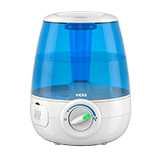
Creating a comfortable home environment is important for your well-being. One way to enhance air quality is with a cool humidifier. These devices can add moisture to the air, alleviating dry skin and respiratory issues.
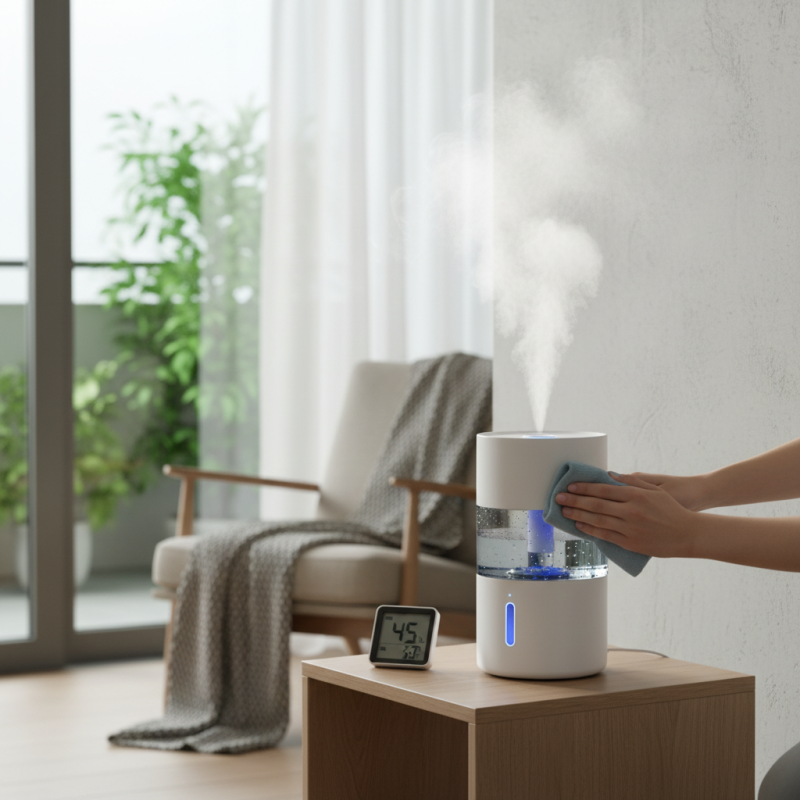
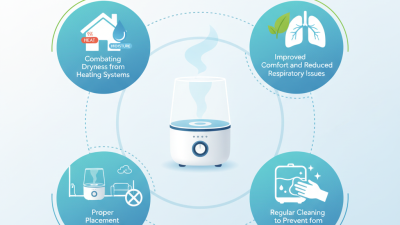
Using a cool humidifier may seem straightforward, yet there are tips to maximize its benefits. For instance, placing it in the right location can make a significant difference. If it's too close to a wall, airflow may be restricted. Make sure to clean it regularly to prevent mold buildup, which can harm air quality.
While many enjoy the cool mist, remember to monitor humidity levels. Too much moisture can lead to discomfort or mold growth. A well-balanced approach will ensure that your cool humidifier contributes positively to your home environment.
Understanding the Importance of Humidity for Indoor Air Quality
Humidity plays a crucial role in indoor air quality. Low humidity can make the air feel dry and uncomfortable. This can lead to issues like dry skin and respiratory problems. People often underestimate how much humidity affects their daily lives.
Maintaining optimal humidity levels can be challenging. Different rooms may have different needs. Kitchens and bathrooms may naturally have higher humidity due to cooking and showers. Living areas might require added moisture. A humidifier can help balance these differences. However, it is essential to monitor levels closely. Over-humidifying can lead to mold and dust mites. Those can worsen allergies and asthma.
The ideal indoor humidity range is between 30% and 50%. You might not realize just how much humidity impacts your comfort. During winter, heating can dry out the air significantly. Without a humidifier, you may notice static electricity and cracked lips. Finding the right balance can be tricky, but the benefits are worth it. Engaging with your environment is key to improving air quality at home.
Optimal Humidifier Settings and Maintenance Tips for Efficiency
When it comes to optimizing your humidifier's efficiency, finding the right settings is crucial. Ideally, indoor humidity levels should range between 30% and 50%. Aim for a comfortable level without overdoing it, as too much moisture can lead to mold growth. Use a hygrometer to monitor humidity levels regularly. If the readings are consistently high, consider reducing the humidifier's output.
Maintenance is equally important for your humidifier's performance. Regularly clean the water tank and other components. A mixture of vinegar and water can help remove any build-up. Don’t forget to change filters if your unit has them; dirty filters can worsen air quality. Also, ensure the water you use is distilled or demineralized to minimize mineral deposits. These small efforts can enhance the lifespan and efficiency of your humidifier while contributing to better air quality at home.
Sometimes, it’s easy to forget about the small details, like the location of your humidifier. Placing it too close to walls or furniture might block the mist flow. This can reduce effectiveness and cause uneven humidity distribution. Reflect on your setup to ensure your humidifier's placement enhances its performance. Adjusting settings and performing regular maintenance can make a significant difference in air quality and comfort.
Cool Humidifier Tips for Better Air Quality at Home
| Humidity Level (%) |
Optimal Setting |
Maintenance Frequency |
Benefits |
| 30 - 40 |
Low to Medium |
Weekly |
Prevents dry skin and irritation |
| 40 - 50 |
Medium |
Monthly |
Enhances comfort and reduces allergens |
| 50 - 60 |
High |
Every 3-6 months |
Reduces respiratory issues and dryness |
| Above 60 |
Caution |
Regular checks |
Mold and bacteria growth risk |
Enhancing Air Quality with Humidifier Placement and Usage
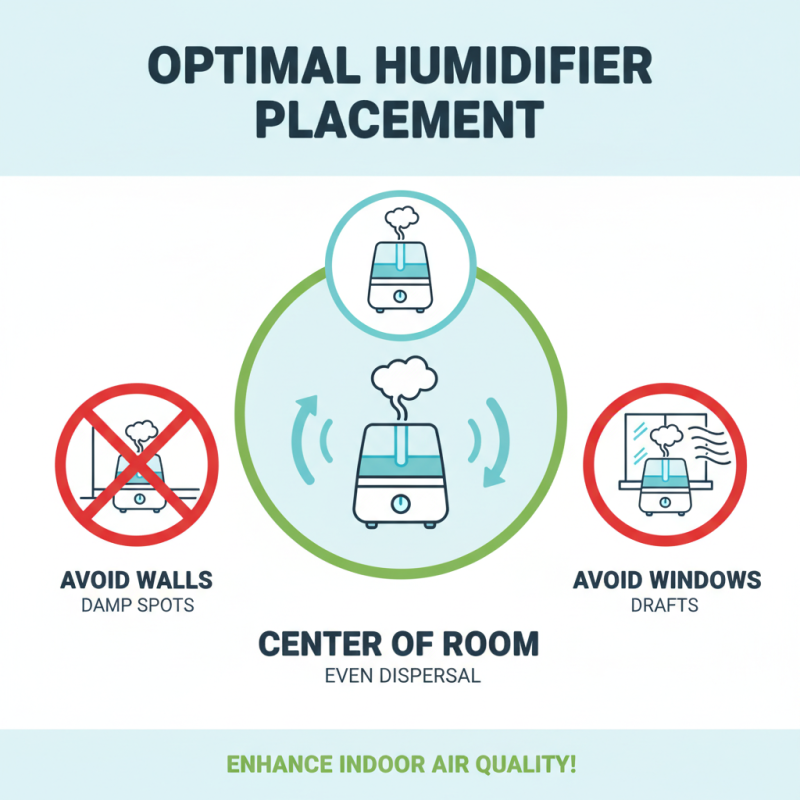
Proper placement of your humidifier can greatly enhance indoor air quality. Aim for the center of the room for the best results. This position allows the mist to disperse evenly. Remember, too close to walls can lead to damp spots. Avoid placing it near windows, where drafts can disrupt humidity levels.
Using distilled water is often recommended. It helps prevent mineral buildup in the humidifier. Regular cleaning is essential too; neglecting this may lead to mold growth, which could worsen air quality. Be mindful of the humidity level. Over-humidification can cause discomfort and promote allergens. Many people find the balance tricky. Using a hygrometer can help you monitor humidity effectively.
Also, consider the type of room. Bedrooms may benefit from a humidifier running overnight. In living areas, aim for daytime usage. This creates a more inviting environment. Experiment with timing and placement. It may take some time to find what works best for you. Each space is unique, and constant adjustment might be necessary.
Incorporating Essential Oils and Natural Additives for Fresh Air
Incorporating essential oils into your humidifier can significantly improve your home's air quality. According to a study by the American Society of Heating, Refrigerating, and Air-Conditioning Engineers, maintaining humidity levels between 30-50% can reduce respiratory issues. With essential oils, you not only hydrate the air but also infuse it with natural aromas. Lavender, for instance, is known for its calming properties. Imagine breathing in that soothing scent as you unwind after a long day.
However, not all essential oils are created equal. Some oils may irritate sensitive individuals or pets. It’s crucial to research which oils work best for your household. Reports show that citrus oils can enhance concentration but may also cause headaches in some people. Using a few drops of eucalyptus oil can assist in clearing sinuses, but this might not work for everyone. Experimentation is key, yet proceed with caution.
Natural additives like honey or citrus zest can also freshen the air. Studies indicate that natural additives can add beneficial properties, like antibacterial effects. However, such combinations can potentially clog your humidifier. Regular cleaning is essential to avoid mold growth. You want fresh air, not a breeding ground for bacteria. So, while adding these natural elements can elevate your air quality, balancing these elements is vital for optimal performance.