Cold Air Humidifier Tips for Better Indoor Air Quality?
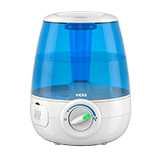
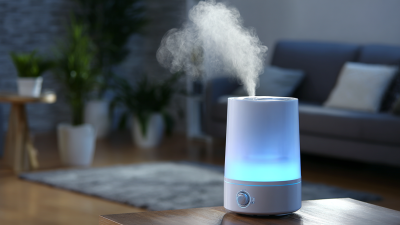
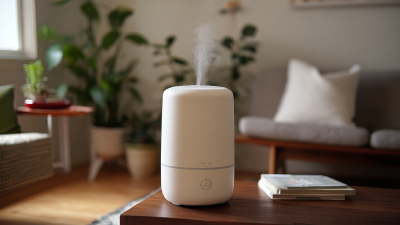
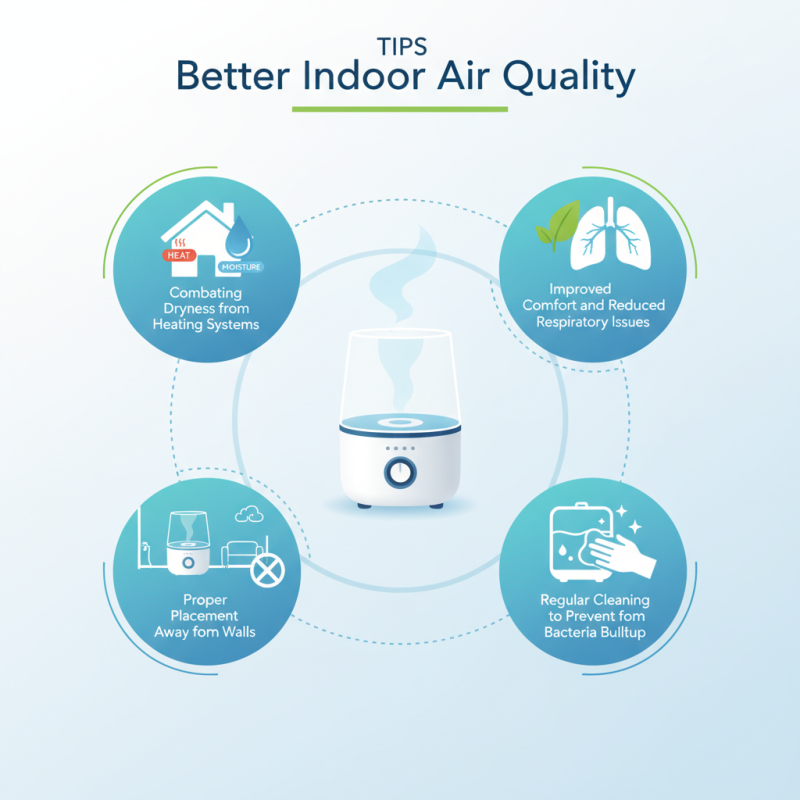
When it comes to maintaining indoor air quality, a cold air humidifier can play a significant role. Many people overlook the benefits of proper humidity levels in their homes. A cold air humidifier does more than just add moisture; it can improve comfort and reduce respiratory issues.
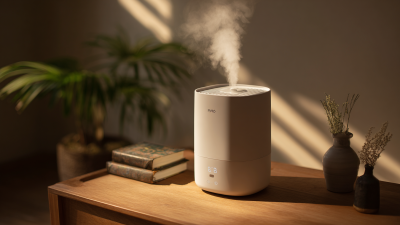
Using a cold air humidifier helps combat dryness caused by heating systems. It can help alleviate issues such as dry skin and irritated airways. However, not everyone understands how to maximize its effectiveness. Placement of the humidifier is crucial. Too close to walls or furniture can lead to mold growth. This can create more problems than it solves.
Individuals often forget to clean their humidifiers regularly. Clean equipment is vital for preventing bacteria buildup. Neglecting this can compromise air quality. Inadvertently, one can make the air worse instead of better. Being mindful of these factors can lead to a healthier indoor environment.
Understanding Cold Air Humidifiers and Their Functionality
Cold air humidifiers play a vital role in maintaining indoor air quality. They work by releasing moisture into the air, preventing dryness that can cause discomfort. These devices help alleviate dry skin, irritated sinuses, and even static electricity in your home. Understanding how they function can enhance your living environment significantly.
When using a cold air humidifier, ensure it's set to the right humidity level. Ideally, indoor humidity should be between 30% and 50%. Too much moisture can lead to mold growth and dust mites. Regularly check the humidity level in your space. A hygrometer can help with this task.
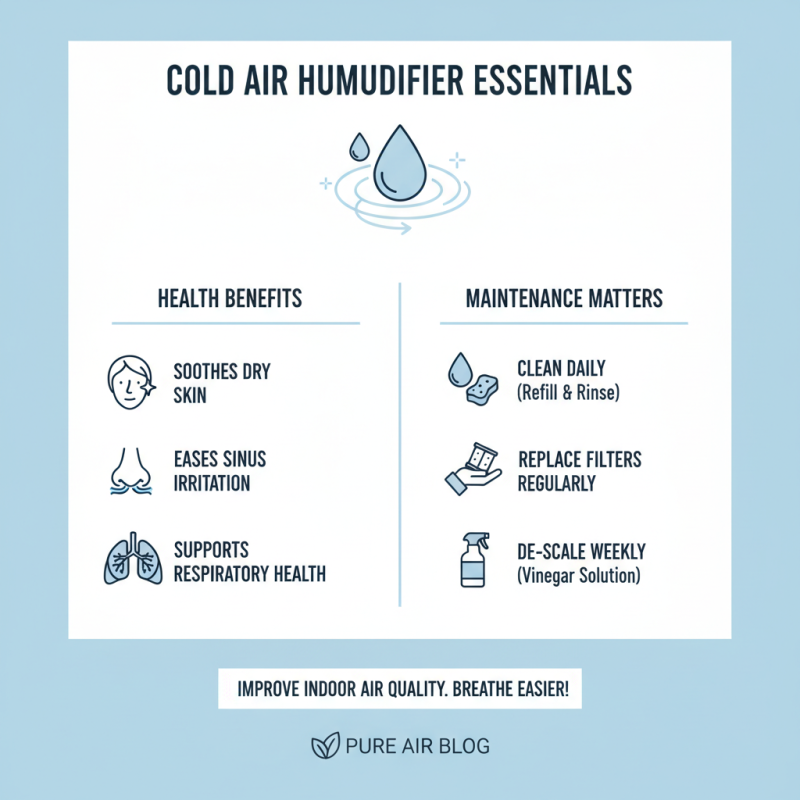
Keep the humidifier clean to avoid bacteria and mold buildup. Empty the tank daily and wash it thoroughly once a week. This simple practice can make a huge difference in air quality. Also, consider the placement of your humidifier. It should be in a central location for even distribution. Avoid putting it near walls or windows to prevent any dampness issues. The goal is to improve your indoor environment, not create new problems.
Benefits of Using Cold Air Humidifiers for Indoor Air Quality
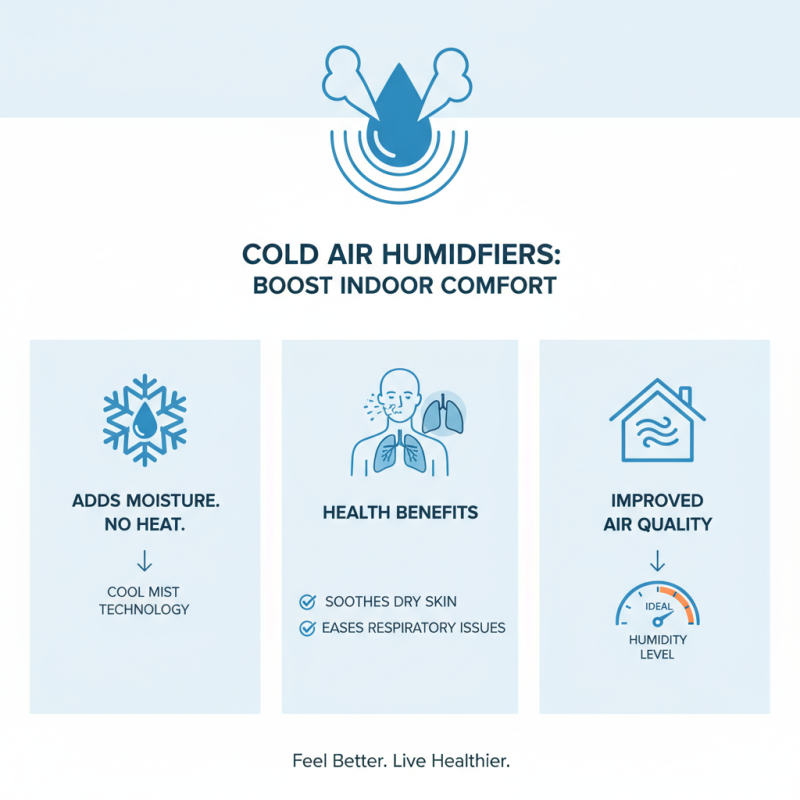
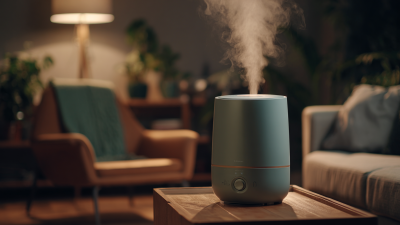
Cold air humidifiers can greatly enhance indoor air quality, especially in dry environments. They work by adding moisture without raising the temperature. This cooler mist helps to maintain humidity levels, which is vital for comfort and health. Many people notice fewer issues with dry skin and respiratory problems.
Utilizing cold air humidifiers can also reduce static electricity and preserve wooden furniture. Enhanced humidity levels can make your home feel warmer, even without increasing the temperature. Families may experience less coughs, congestion, and allergies.
However, maintaining these units can be challenging. Regular cleaning is essential to prevent mold and bacteria growth. Neglecting maintenance can lead to air quality issues instead of improvements. It’s a delicate balance. Finding the right humidity level can also be difficult. Too much moisture can create a damp environment, which can foster allergens. Setting the right parameters is necessary for optimal results.
Factors to Consider When Choosing a Cold Air Humidifier
When choosing a cold air humidifier, consider the size of your room. A small model may struggle in a larger space. Check the output capacity; adequate coverage is essential for effective humidification. Pay attention to the water tank size. Frequent refills can be annoying, especially when you need consistent humidity levels.
Maintenance is crucial. Some models require regular cleaning to prevent mold and bacteria buildup. A humidifier that’s challenging to clean could lead to health issues. Look for features like filters, which can enhance air quality but might need replacement, adding to the overall cost.
Noise levels also matter. Some humidifiers operate quietly while others can be disruptive, especially at night. It’s a balance between functionality and comfort. Reflect on your environment and personal needs when choosing. What works for one space may not suit another. Make sure to weigh the pros and cons before making a decision.
Cold Air Humidifier Efficiency Based on Humidity Levels
This chart illustrates the energy consumption of cold air humidifiers at varying indoor humidity levels. As humidity levels increase, energy consumption generally decreases, optimizing indoor air quality while minimizing energy use.
Optimal Maintenance Tips for Cold Air Humidifiers
Cold air humidifiers play a crucial role in maintaining indoor air quality. They can alleviate dry skin, irritated sinuses, and respiratory issues. However, proper maintenance is essential for effectiveness. According to the Environmental Protection Agency, indoor air can be two to five times more polluted than outdoor air. Therefore, ensuring that your humidifier operates efficiently is vital.
Regular cleaning is a key factor in maintaining your humidifier. Dirty humidifiers can disperse bacteria and mold into the air. A quick study by the American Society of Heating, Refrigerating and Air-Conditioning Engineers suggests that cleaning your unit every three days minimizes harmful particles. It is beneficial to use distilled water since tap water can contain minerals that promote bacterial growth.
The humidity level in your home should also be monitored. The optimal indoor humidity level is between 30% and 50%. Excess humidity can lead to mold growth. A hygrometer can help track the levels, but many people fail to check it regularly. It’s easy to overlook these details, yet they have a significant impact on your health. Keeping track of maintenance routines and moisture levels can drastically improve your indoor air quality.
Best Practices for Using Cold Air Humidifiers Effectively
When using cold air humidifiers, it’s essential to maintain the right humidity level in your home. Aim for a humidity range of 30% to 50%. Too much moisture can lead to mold growth, while too little can cause dry skin and irritation. A hygrometer can help you monitor the humidity effectively. Placing the humidifier near heat sources is not advisable. It can affect its performance and increase wear.
Regular maintenance is critical for optimal function. Change the water daily to prevent bacteria buildup. Clean the humidifier weekly to ensure it's free of mineral deposits. Some users overlook this, leading to poor air quality. If the air feels heavy or musty, it may indicate that the humidifier needs cleaning.
Consider the location of your humidifier. Position it in the center of the room for even distribution. Avoid placing it in corners or behind furniture. Such spots can restrict airflow and lead to uneven humidity levels. Observe how your indoor environment responds to its use. Is the air feeling fresher, or do you notice any discomfort? Adjust as necessary.
Cold Air Humidifier Tips for Better Indoor Air Quality
| Aspect |
Recommendation |
Benefits |
| Humidity Level |
Maintain levels between 30-50% |
Reduces respiratory issues and improves comfort |
| Water Quality |
Use distilled or demineralized water |
Prevents mineral buildup and bacteria growth |
| Cleaning Frequency |
Clean at least once a week |
Improves performance and air quality |
| Placement |
Position away from walls and furniture |
Enhances airflow and moisture distribution |
| Monitor Usage |
Use a hygrometer to track humidity levels |
Ensures optimal humidity is maintained |