
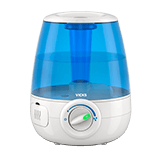
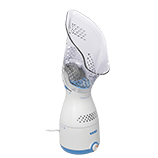
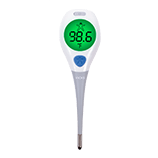
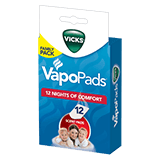

Vicks products are available for purchase online and in-store at most major retailers.
VICKS SUPPORT
View product-specific FAQs & videos
Choosing the best Toiltry Bag for travel in 2026 is not about buying the largest model. It is about matching storage, protection, and daily habits. A compact bag can hold more than expected when its compartments have clear purposes. A waterproof pocket protects a toothbrush, while a separate mesh section keeps damp items away from clean clothing. Small details matter.
Travel educator Rick Steves once said, “There are two kinds of tourists: those who pack light and those who wish they had.” His principle remains useful when selecting a travel Toiltry Bag. The right design should reduce clutter, not encourage overpacking. Look for durable zippers, washable fabric, strong stitching, and a shape that fits your suitcase. Hanging hooks can help in small hotel bathrooms. Wide openings make bottles easier to find.
Personal experience also exposes a common mistake. My first toiletry case looked stylish, but its narrow opening buried everything. It wasted time every morning. A better choice has practical access, not only attractive colors. Travelers should also consider trip length, climate, grooming routines, and whether they share bathroom space. A business traveler may prefer a slim organizer. A family may need flexible compartments and stronger materials.
No single Toiltry Bag suits everyone. That is the point. This guide compares capacity, organization, fabric, portability, cleaning ease, and value. It also questions popular features that sound useful but add unnecessary weight. The best option may look ordinary. It should simply make packing calmer, faster, and more dependable.
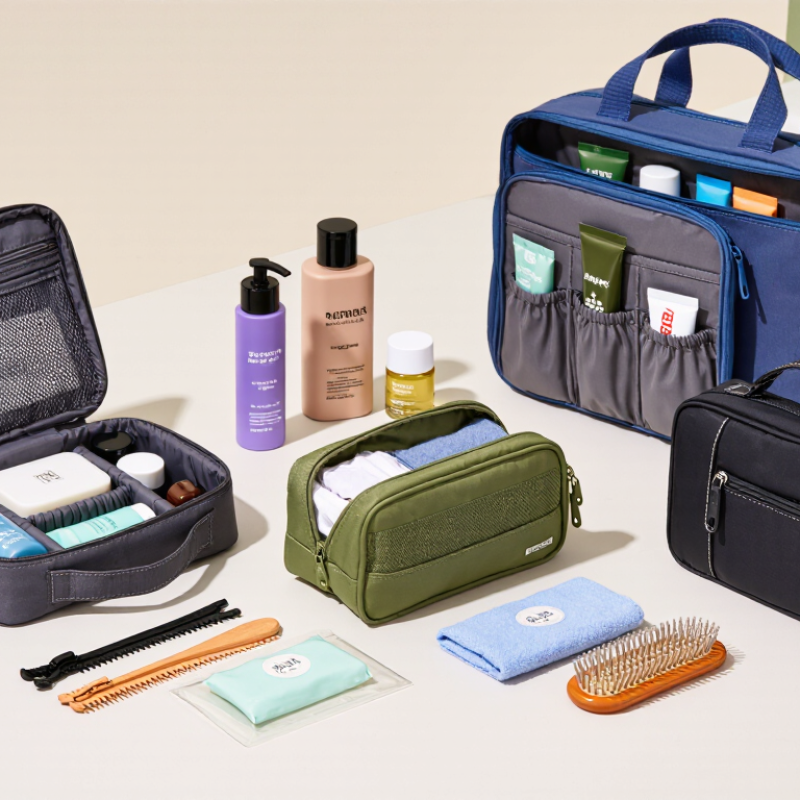
How to Choose the Best Toiletry Bag for Travel in 2026?
Understanding Toiletry Bag Types and Their Travel Uses
A toiletry bag should match your routine, not just your suitcase size. After testing several styles, I found that a hanging bag works best in compact bathrooms. Its hook keeps bottles visible and away from wet counters. Multiple compartments also separate skincare, dental items, and shaving tools. However, the hook may feel bulky in a small carry-on.
A flat pouch suits light packers and short trips. It slips easily between folded clothes and usually weighs less. Choose one with a water-resistant lining and a wide opening. Small leaks become easier to clean. A traditional dopp-style bag offers quick access, but loose items can become difficult to find. I once packed one in a hurry. The result was predictable: tangled cords, crushed tubes, and wasted time.
For longer journeys, a modular toiletry system can be more practical. Separate pouches hold liquids, medicines, and personal care items without mixing them. Clear sections help during security checks, while durable zippers protect the contents. Check the stitching, fabric quality, and zipper movement before buying. A beautiful bag is not necessarily dependable. Consider your actual habits, too. If you carry only a toothbrush and moisturizer, a large organizer creates unnecessary weight. If you share supplies or travel outdoors, extra capacity and a washable lining may matter more. The best choice remains personal, and my own preference changes with every trip.
How to Choose the Best Toiletry Bag for Travel in 2026?
Size should follow your routine, not your optimism. A compact bag suits short trips and limited carry-on space. For longer travel, choose a medium bag with a flat base. It should stand beside a sink without falling over. IATA reported that global passenger demand rose 10.4% in 2024, showing how frequently travelers are moving again (IATA, 2024 Annual Review). Frequent trips reward durable, repeatable organization.
Capacity is more than total volume. Look for separate sections for bottles, grooming tools, and small accessories. Transparent pockets reduce searching in dim hotel bathrooms. Under TSA guidance, carry-on liquids must fit containers of 100 milliliters or less and one quart-sized bag. Measure your actual products before buying. A bag that looks spacious may waste room through thick padding and stiff dividers.
Try this packing test. Place your daily essentials inside for three days. Add one backup item, not five. That exposes the real capacity. I prefer elastic loops for upright bottles and a washable lining for small spills. However, too many compartments can slow packing. I once chose a highly divided bag and used only half the pockets. That was poor judgment. Check zipper quality, opening width, and whether the bag compresses inside your luggage. GBTA’s Business Travel Index projected global business travel spending at 1.48 trillion dollars in 2024, making dependable organization increasingly valuable for repeated journeys (GBTA, 2024).
Assessing size, capacity, and organization features by trip length
Short trips usually need a compact bag of about 1 liter, while longer journeys benefit from 2–3 liters of capacity. Bags with separate sections for liquids, skincare, dental care, and grooming tools make packing and airport security checks easier. When carrying liquids, remember that many airport security systems limit individual containers to 100 ml.
A good travel toiletry bag should survive crowded luggage, damp hotel counters, and repeated opening. I usually prefer tightly woven nylon or polyester with a water-resistant coating. These materials feel light but resist abrasion from bottles and zippers. TPU-lined interiors offer better leak protection and can be wiped clean quickly. However, “waterproof” is often overstated. Seams and zipper tracks may still allow moisture through.
Durability depends on construction, not only fabric. Check reinforced handles, smooth zipper movement, and neatly finished seams. A bag that collapses completely may save space, but it can become awkward when searching for small items. Clear pockets improve visibility, while mesh sections dry faster after cleaning. I once chose a very soft bag that looked convenient. It lost its shape within months. That was a useful, slightly annoying lesson.
Tips: Test the zipper with one hand. Wipe the lining before purchase if possible. Choose wide openings and removable pouches for easier cleaning. Avoid complicated folds that trap toothpaste or moisture. Follow the care label, because some coatings can peel under high heat. Leave the bag open to air-dry after washing. A small stain is easy to ignore, but repeated dampness can create odors and weaken the lining.
Choosing the best toiletry bag in 2026 means balancing portability, security, and airline rules. When I test one, I check its weight before adding anything. A soft, compact case fits better inside a personal item. Yet portability can become clutter.
SITA’s 2024 Baggage IT Insights reported 6.9 mishandled bags per 1,000 passengers in 2023. That figure makes a strong zipper and clear identification pocket practical, not decorative. My own mistake was trusting one small compartment. Bottles leaked together. Separate, washable sections are safer for daily movement. A hanging hook also keeps toiletries away from unfamiliar bathroom surfaces.
Airline requirements deserve equal attention. For flights departing from the United States, liquid containers generally follow the 3.4-ounce rule and must fit within one clear quart-sized bag. Other airports may apply different screening procedures. Check the departure airport, connection point, and carrier before packing. IATA’s 2024 Global Passenger Survey found that 71% of travelers would use biometric identification for a smoother journey. That suggests faster checkpoints matter, but travelers still need accessible liquids and electronics. Choose a bag that opens flat, shows contents quickly, and fits your carry-on dimensions. A rigid case protects bottles better, but it uses valuable space. I still prefer a flexible design when traveling with only a few essentials.
| Toiletry Bag Type | Typical External Size | Typical Empty Weight | Approximate Capacity | Portability | Security and Organization | Airline and Liquid-Rule Compatibility | Best For | Main Trade-Off |
|---|---|---|---|---|---|---|---|---|
| Compact Flat Pouch | Approximately 20 × 14 × 5 cm 7.9 × 5.5 × 2.0 in | About 100–180 g 3.5–6.3 oz | Approximately 1.0–1.5 L | Excellent Fits easily in a small carry-on compartment. | Basic zipper closure; limited separation between liquids and dry items. | Suitable for a small selection of containers up to 100 ml each. Liquids may still need to be placed in a separate transparent bag at security checkpoints, depending on the airport. | Short trips, minimalist packers, and personal-item travel. | Limited capacity and little protection against leaks or crushing. |
| Transparent Security Pouch | Approximately 18–21 × 18–21 × 4–6 cm 7.1–8.3 × 7.1–8.3 × 1.6–2.4 in | About 80–160 g 2.8–5.6 oz | Approximately 0.8–1.0 L | Excellent Lightweight and quick to inspect. | Transparent construction improves visibility; usually has one main compartment and a secure zipper. | Designed around the common security limit of containers no larger than 100 ml or 3.4 fl oz. A total liquid allowance of about 1 litre or 1 quart is commonly used, but airport procedures vary. | Frequent flyers who want faster security screening. | Less privacy and fewer compartments; transparent bags are not universally accepted as the only required security bag. |
| Hanging Organizer | Approximately 24–28 × 18–22 × 8–12 cm 9.4–11.0 × 7.1–8.7 × 3.1–4.7 in | About 300–500 g 10.6–17.6 oz | Approximately 3–6 L | Good Folds compactly but is heavier than a flat pouch. | Multiple zipped pockets, elastic loops, and a hanging hook improve separation and reduce rummaging. | Works well in checked luggage or a larger carry-on. For cabin travel, liquid containers must still follow the departure airport’s liquid limits. | Longer trips, shared bathrooms, and travelers who need vertical access. | More weight and bulk; the hook and internal structure may reduce packing efficiency. |
| Structured Wash Bag | Approximately 25–30 × 18–23 × 10–14 cm 9.8–11.8 × 7.1–9.1 × 3.9–5.5 in | About 350–650 g 12.3–22.9 oz | Approximately 4–7 L | Moderate Stable shape but takes more room in luggage. | Rigid sides, wide opening, internal dividers, and water-resistant lining provide good organization and spill containment. | Suitable for carry-on or checked baggage when space permits. Its size does not change the liquid limit for cabin security. | Long vacations, professional grooming kits, and travelers carrying bottles or electric accessories. | Heavier and less compressible than soft-sided designs. |
| Leak-Resistant Modular Kit | Approximately 22–27 × 16–21 × 7–11 cm 8.7–10.6 × 6.3–8.3 × 2.8–4.3 in | About 250–450 g 8.8–15.9 oz | Approximately 2.5–5 L | Good Removable modules make packing more flexible. | Sealed or coated compartments help isolate spills; removable pouches improve inspection and access. | Useful for separating cabin-approved liquids from dry products. Individual containers must comply with the applicable airport’s restrictions. | Travelers carrying skincare, medications, or products with different storage needs. | More zippers and panels can increase weight and cleaning time. |
| Large Family Toiletry Case | Approximately 30–36 × 22–28 × 12–18 cm 11.8–14.2 × 8.7–11.0 × 4.7–7.1 in | About 600–1,000 g 21.2–35.3 oz | Approximately 7–12 L | Limited Best packed in checked luggage or a large suitcase. | High capacity, multiple compartments, and stronger protection for full-size bottles. | Full-size liquids are generally more practical in checked baggage. In a cabin bag, containers over 100 ml or 3.4 fl oz are commonly not permitted through standard security screening. | Families, extended stays, and travelers sharing one case. | Consumes significant luggage space and may contribute noticeably to checked-bag weight. |
Choosing the best toiletry bag starts with your destination, not its appearance. A compact pouch suits a short city trip with hotel bathrooms and daily refills. For humid beaches, choose quick-drying fabric and a separate space for damp items. A mountain journey needs stronger zippers, secure closures, and enough room for sun protection and basic care products.
Your personal routine matters just as much. Count what you use every morning and evening. Then add only a small allowance for unexpected needs. I once packed a wide bag for a three-day trip and used less than half of it. The extra space made finding a toothbrush strangely annoying. Small habits can shape the right design.
If you carry several bottles, internal pockets can prevent leaks from spreading. Clear sections may help in shared bathrooms or crowded accommodation. A hanging hook is useful when counter space disappears. However, more features can mean more weight and cleaning work. Check the stitching, lining, and zipper movement before buying. I prefer a bag that opens fully, although that choice is not perfect in narrow bathrooms. A simple washable interior often proves more useful than clever compartments. Your routine may change during travel, so leave a little flexibility without turning the bag into a second suitcase.


