



Vicks products are available for purchase online and in-store at most major retailers.
VICKS SUPPORT
View product-specific FAQs & videos
Choosing the best China Handicapped Electric Wheelchair supplier requires more than comparing prices and product photographs. A reliable supplier should understand real mobility needs. It should also provide tested designs, clear specifications, and responsive after-sales support. Dr. Rory Cooper, a renowned wheelchair researcher and rehabilitation engineer, has said, “A wheelchair is an extension of the person.” This principle matters when evaluating Chinese manufacturers. The chair should fit daily routines, body dimensions, terrain, and personal confidence.
A strong supplier can explain motor power, battery range, turning radius, braking performance, and seat adjustments. Ask whether products follow recognized testing standards, such as relevant ISO 7176 requirements. Request inspection records, warranty terms, spare-parts availability, and video evidence from factory testing. A practical evaluation should include ramps, uneven pavement, narrow doorways, and repeated folding. Details matter. A loose joystick or weak footrest can become a serious inconvenience.
Supplier experience also deserves careful attention. How long has the company exported mobility equipment? Can it provide references from distributors or healthcare organizations? Does its technical team understand caregiver concerns? Some manufacturers offer impressive customization, yet communication becomes slow after payment. That weakness should not be ignored. No supplier is perfect. Even experienced buyers can overlook battery replacement costs or local service limitations.
The best choice balances engineering quality, user safety, transparent communication, and long-term support. A careful buyer should compare evidence, not promises. That approach makes the Handicapped Electric Wheelchair more than a purchase. It becomes dependable daily transportation.
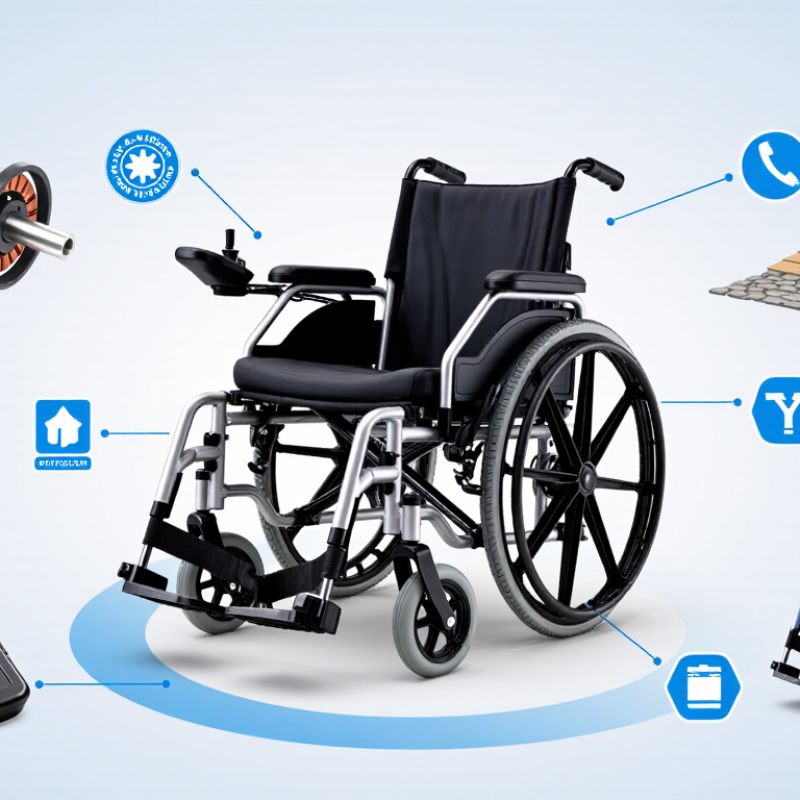
A leading supplier understands users before discussing price. The WHO and UNICEF Global Report on Assistive Technology estimates that 2.5 billion people need assistive products. Nearly 1 billion people cannot access them. Wheelchair shortages remain serious. That gap matters. A reliable Chinese supplier should provide clear measurements, adjustable seating, stable controllers, and practical folding systems. It should also explain load limits honestly. Marketing promises are not enough.
Technical evidence separates a capable supplier from a trading office. Ask for test records related to ISO 7176 wheelchair performance standards. Check braking distance, motor endurance, controller response, and battery protection. IEC 62133-2 testing can support safer rechargeable battery management. Factory visits, production traceability, and sample inspections add useful confidence. Yet documents can become outdated. I would still test a production sample under uneven pavement, ramps, and repeated transfers. Real users notice details engineers may miss. A footrest that loosens is a small defect, but it can affect daily confidence.
A dependable supplier also offers spare parts, repair guidance, and responsive communication after shipment. The WHO and UNICEF report stresses that assistive technology requires suitable services, not products alone. A leading supplier should therefore support fitting, maintenance, and local training. No supplier gets every case right. Honest communication about delivery limits, climate conditions, and customization costs is more valuable than perfect claims. Reliability is built through evidence, feedback, and visible correction.
China Best Handicapped Electric Wheelchair Supplier?
Main Types of Electric Wheelchairs Manufactured in China
Chinese manufacturers produce several electric wheelchair designs for different mobility needs. Rear-wheel-drive models offer stable outdoor handling and a wider turning path. They suit users who travel on sidewalks, ramps, and firm ground. Mid-wheel-drive chairs turn around their center, making indoor movement easier. They may perform well in narrow rooms, elevators, and busy homes. Front-wheel-drive models can climb small obstacles more confidently, but their steering feel needs practice.
Folding electric wheelchairs use lightweight frames and removable batteries. They are practical for car travel, storage, and occasional use. Heavy-duty models usually provide stronger frames, wider seats, and higher weight capacities. Standing wheelchairs can support posture changes, but they require careful fitting and professional assessment. Some suppliers also manufacture stair-climbing designs. These are specialized products, not a simple solution for every staircase.
Tips: Check the user’s posture, door widths, terrain, battery range, and transfer ability before ordering. Ask for load testing, battery documentation, spare-part availability, and ISO 7176-related test records where applicable. A dependable supplier should explain controller settings, charger safety, warranty limits, and maintenance intervals clearly. Request a sample or inspection when possible. Photos can hide frame weaknesses. I have seen specifications look impressive while the actual turning space felt disappointing. Real use may expose limits that a catalog does not mention. A trial remains valuable.
China Best Handicapped Electric Wheelchair Supplier?
Key Standards for Evaluating Chinese Wheelchair Suppliers
The best Chinese electric wheelchair supplier is not always the largest factory. Start with measurable evidence. The WHO and UNICEF Global Report on Assistive Technology estimates that 2.5 billion people need assistive products worldwide, while nearly 1 billion lack access. This gap makes supplier reliability essential.
Check whether each model has test records aligned with ISO 7176 and applicable Chinese standards. Review load testing, braking distance, motor endurance, battery safety, electromagnetic compatibility, and charger performance. Ask for reports from qualified, independent laboratories. A serious supplier should also maintain documented quality procedures, such as ISO 13485-based controls, traceability, and corrective-action records.
Test the wheelchair in real conditions. Drive it over a 10-degree ramp, cross a small threshold, and examine turning stability on a wet surface. Measure the actual range with a user seated, not only the laboratory claim. WHO wheelchair guidance notes that many users still receive unsuitable products, despite growing demand. Fit matters.
Look beyond certificates. Inspect welding points, cable protection, joystick response, seat cushioning, and spare-part availability. Ask how complaints are logged and resolved. A factory video proves little. Sample inspection is stronger.
Still, no checklist is perfect. Supplier documents may be incomplete, translated poorly, or selectively presented. One practical weakness is relying on a single sample. Repeated pre-shipment inspections offer better confidence, especially for batteries and folding mechanisms. [Sources: WHO and UNICEF, Global Report on Assistive Technology, 2022; WHO, Guidelines on the Provision of Manual Wheelchairs in Less-Resourced Settings.]
This screening framework prioritizes internationally recognized requirements for powered wheelchairs. Buyers should request current test reports, technical files, and traceable evidence rather than relying on supplier claims alone.
The percentages are an editorial screening framework, not certification results. ISO 7176-1, ISO 7176-8, ISO 7176-10, ISO 7176-14, ISO 7176-19 and ISO 7176-21 address stability, strength, obstacle-climbing ability, power and control systems, transport safety, and electromagnetic compatibility respectively.
China Best Handicapped Electric Wheelchair Supplier?
Choosing the best supplier requires more than comparing catalog photos. Check motor power, battery range, seat width, turning radius, frame weight, and climbing ability. Ask for test reports, product specifications, and clear load limits. A wheelchair may look strong but feel unstable on uneven pavements. Test details matter.
Price comparisons should include shipping, spare batteries, chargers, packaging, and warranty coverage. The cheapest quotation is not always economical. I have learned that unclear battery terms can create expensive delays. Request a complete invoice with every cost listed. Then compare equivalent configurations, not different models with similar pictures.
Customization should cover seat cushions, armrests, joystick position, footrests, colors, and folding methods. Ask whether modified parts affect safety testing or warranty protection. After-sales support deserves equal attention. Confirm response times, replacement-part availability, repair videos, and technical training for local staff. A reliable supplier should provide manuals, serial-number records, and documented inspection procedures. Still, no supplier is perfect. Communication can fail when technical terms are translated poorly. Use drawings, measurements, and signed specifications before production begins.
| Supplier Profile | Recommended Product Type | Typical FOB Price per Unit | Motor Output | Maximum User Weight | Typical Driving Range | Product Weight | Customization Options | Sample Lead Time | Warranty and After-Sales Support |
|---|---|---|---|---|---|---|---|---|---|
| Profile A: Entry-Level Folding Supplier | Lightweight folding electric wheelchair for indoor use and occasional outdoor travel | US$480–US$780 | 2 × 180–250 W | 100–120 kg | 12–18 km | 22–28 kg, excluding battery | Basic color, cushion, joystick, battery, and packaging options | 7–15 days | 12-month main-frame warranty; spare parts normally available for 1–2 years |
| Profile B: Mid-Range Travel Supplier | Portable folding model for home use, vehicles, shopping, and short-distance outdoor mobility | US$700–US$1,150 | 2 × 200–300 W | 120–140 kg | 15–25 km | 24–32 kg, excluding battery | Battery capacity, seat width, armrests, footrests, upholstery, logo, and carton design | 10–20 days | 12–18-month warranty; remote troubleshooting and replacement-part support |
| Profile C: Heavy-Duty Outdoor Supplier | Reinforced electric wheelchair for outdoor use, uneven surfaces, and higher load requirements | US$1,050–US$1,850 | 2 × 350–500 W | 150–180 kg | 20–35 km | 38–55 kg, excluding battery | Seat width, suspension, tires, controller, lighting, anti-tip wheels, and battery chemistry | 15–30 days | 12-month electrical warranty; 24-month frame warranty may be available by contract |
| Profile D: Premium Rehab-Oriented Supplier | Adjustable wheelchair for rehabilitation, posture support, and long daily use | US$1,400–US$2,600 | 2 × 300–450 W | 130–160 kg | 18–30 km | 32–48 kg, excluding battery | Seat depth, backrest angle, headrest, lateral supports, elevating legrests, and control position | 20–40 days | 12–24-month warranty; technical documentation and user-service training usually available |
| Profile E: OEM/ODM Project Supplier | Customized model for distributors, medical-equipment importers, and private-label programs | US$650–US$2,200 | Configured to project requirements | 100–180 kg | 12–35 km | 22–55 kg, depending on configuration | Full customization: structure, electronics, upholstery, colors, packaging, manuals, labels, and software settings | 30–90 days for first production order | Warranty terms, spare-parts stock, service manuals, and response times should be defined in the supply contract |
Choosing the best Chinese electric wheelchair supplier requires more than comparing a low quotation. Define user weight, seat width, terrain, folding needs, and daily travel range. Ask for a specification sheet covering motor power, battery type, charger input, turning radius, and tested load. A wheelchair can look strong in photos. It may feel different on a ramp.
Shortlist suppliers with verifiable factory details, production records, quality procedures, and export experience. Request recent test reports and safety certificates suitable for your target market. Verify them with the issuing bodies when possible. Arrange a live video inspection. Check welding points, joystick response, brakes, tire wear, and battery labeling. Buy one sample before placing a larger order. Test it for several days, including door thresholds and uneven pavement. Small faults appear there.
Put warranty duration, spare-part availability, repair guidance, packaging, lead time, payment milestones, and inspection rights in writing. Clarify whether the price includes shipping, documents, and replacement parts. Confirm battery transport requirements with the carrier before payment. A reliable supplier answers technical questions consistently and admits limits. Be cautious when a salesperson promises every configuration without checking engineering details. No checklist is perfect. Recheck measurements. An uncomfortable seat or weak controller can cause returns, delays, and user frustration.


