
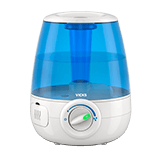
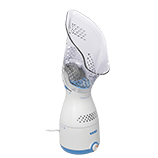
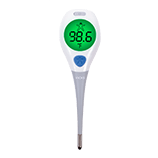
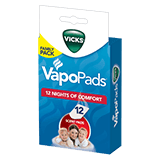

Vicks products are available for purchase online and in-store at most major retailers.
VICKS SUPPORT
View product-specific FAQs & videos
Choosing a Slim Smart Lock is not simply a matter of finding the smallest product. Global buyers need dependable access, clear installation requirements, and support that remains useful after purchase. A narrow lock may fit a modern apartment door, yet fail when the cylinder depth or latch type differs. Small doors need careful measurements.
This guide examines ten slim smart locks for different markets and living spaces. It considers lock thickness, door compatibility, battery life, mobile-app stability, keypad quality, and emergency power options. It also reviews important connection methods, including Bluetooth, Wi-Fi, and hub-based systems. These details affect daily use, especially in homes with weak signals or frequent power interruptions. Practical experience matters here. A lock may open quickly during testing but respond slowly after months of outdoor exposure.
The comparison also looks at installation effort, privacy controls, warranty terms, and customer support. Regional differences cannot be ignored. App availability, language options, charging standards, and professional installation services may vary widely. Buyers should verify these points before ordering. No shortlist is perfect. Product specifications can change, and real-world performance depends on the door, climate, and user habits. That is why this review treats convenience and security as connected, but not identical, goals. The strongest choice may not be the most advanced model. It may be the lock that fits correctly, receives reliable updates, and remains simple when someone is carrying groceries in the rain.
Slim smart locks appeal to global buyers because they preserve more door space. However, a narrow body does not guarantee a correct fit. Backset is the distance from the door edge to the center of the spindle or cylinder. Common measurements vary by region, so measure the existing lock before comparing products. Fit comes first.
Door thickness is equally important. A lock designed for a 35–45 mm door may not suit a 50 mm security door without an approved extension. Check the door’s actual thickness, edge clearance, handle position, and available space behind the escutcheon. Door-fit data should state these limits clearly, not hide them in a technical diagram. In my experience, small errors near the hinge side can create rubbing, noise, or incomplete locking. A neat specification can still mislead.
Tips: Measure the backset from the door edge, not from the handle’s outer trim. Record thickness at several points because painted or warped doors may differ. Confirm the lock’s latch length, mounting-hole pattern, and opening direction. Take photos with a ruler beside the cutout. This makes remote technical advice more reliable. I still measure twice, and sometimes the first reading is wrong. That is worth accepting before installation. Also check whether the internal mechanism needs extra room for a thumb turn, batteries, or emergency access. Thin doors are especially unforgiving.
| Rank | Slim Lock Configuration | Typical Backset | Recommended Door Thickness | Lock-Body Projection | Door Preparation | Cylinder or Latch Format | Connectivity Options | Best-Fit Use Case | Global Fit Notes |
|---|---|---|---|---|---|---|---|---|---|
| 1 | Euro-Profile Retrofit Thumbturn | 30–45 mm | 35–60 mm | Approx. 20–30 mm interior projection | Existing euro-cylinder cut-out; usually no drilling | Euro profile cylinder with interior motor adapter | Bluetooth; optional Wi-Fi bridge | Apartments and rental homes | Check cylinder length on both sides and emergency-function clearance. |
| 2 | Narrow Euro-Profile Cylinder Lock | 25–35 mm | 30–50 mm | Approx. 18–25 mm interior projection | Narrow stile or compact euro-cylinder opening | Short euro cylinder; motorized thumbturn | Bluetooth; keypad or bridge optional | Slim aluminum and uPVC doors | Measure the narrow stile width before selecting the interior module. |
| 3 | Scandinavian Oval-Cylinder Retrofit | 35–50 mm | 40–70 mm | Approx. 22–32 mm interior projection | Oval-cylinder opening with compatible mounting plate | Scandinavian oval cylinder | Bluetooth; optional gateway | Nordic residential doors | Oval-cylinder geometry is not interchangeable with euro-profile hardware. |
| 4 | Compact Single-Cylinder Deadbolt | 60 or 70 mm | 35–55 mm | Approx. 25–35 mm interior projection | Standard separate deadbolt bore; commonly 54 mm diameter | Tubular single-cylinder deadbolt | Bluetooth, keypad, or Wi-Fi | North American wood entry doors | Verify the backset and the distance from the deadbolt to the door edge. |
| 5 | Adjustable Backset Deadbolt | 60/70 mm adjustable | 35–70 mm | Approx. 28–38 mm interior projection | Existing tubular deadbolt bore and edge bore | Adjustable tubular latch | Bluetooth; keypad; optional Wi-Fi bridge | Mixed door stock and replacement projects | Useful when regional backset measurements vary, but bore alignment remains essential. |
| 6 | Rim-Mounted Retrofit Lock | Not applicable; rim lock | 30–65 mm | Approx. 25–40 mm interior projection | Surface-mounted lock case and aligned strike | Rim cylinder or rim latch | Bluetooth; keypad or gateway optional | Older timber doors and narrow door profiles | Confirm lock-case height, spindle position, and strike alignment. |
| 7 | Compact Mortise-Latch Smart Lock | 35–45 mm | 40–60 mm | Approx. 20–30 mm interior projection | Mortise pocket with matching faceplate and follower | Lever-operated mortise latch | Bluetooth; keypad or card reader optional | Interior doors and compact residential entrances | Faceplate length and latch height must match the existing mortise pocket. |
| 8 | Slim Multipoint-Compatible Euro Lock | 35–45 mm | 45–70 mm | Approx. 22–32 mm interior projection | Existing multipoint strip and compatible euro cylinder | Euro cylinder with lift-to-lock or motorized multipoint action | Bluetooth; Wi-Fi gateway optional | uPVC, composite, and European multipoint doors | Check center distance, spindle height, lock-strip layout, and handle operation. |
| 9 | Narrow-Stile Mortise Smart Lock | 25–35 mm | 30–50 mm | Approx. 18–28 mm interior projection | Narrow mortise case; compact faceplate | Narrow mortise latch or deadlatch | Bluetooth; keypad optional | Aluminum storefront and slim-frame doors | Confirm stile width, glass clearance, and the lock-case pocket dimensions. |
| 10 | Compact Interior-Only Smart Turnpiece | 35–60 mm equivalent latch reach | 30–65 mm | Approx. 15–25 mm interior projection | Existing thumbturn or lever spindle; minimal modification | Interior thumbturn or spindle adapter | Bluetooth; optional remote-access bridge | Rental units and low-visibility installations | Best where the exterior cylinder must remain unchanged; verify thumbturn shape and rotation angle. |
For global buyers, a slim smart lock should be judged by more than its screen, app, or fingerprint reader. ANSI/BHMA Grades 1–3 provide a clearer starting point. Grade 1 represents the highest tested level, commonly suited to demanding residential or commercial use. Grade 2 fits many homes and light-duty buildings. Grade 3 generally covers basic residential applications.
These grades mainly measure physical performance. Testing can include operating cycles, force resistance, latch strength, and long-term wear. Grade 1 products often face the toughest durability requirements. Grade 2 offers a practical balance. Grade 3 may be adequate for a low-traffic apartment door. Certification details still matter. A seller should identify the exact standard, test scope, and certified lock configuration.
A slim design creates another decision. Smaller bodies may leave less room for batteries, motors, and reinforced bolts. Check how the lock behaves when power is low. Test the manual key, interior release, and emergency power method before installation. A strong grade cannot repair poor door alignment. It also does not prove secure software, private data handling, or reliable wireless communication. Those areas require separate technical evidence.
I would also inspect the door frame, strike plate, and screw length. Weak surrounding hardware can reduce real protection. Global buyers should compare local installation rules and door sizes, because ANSI/BHMA ratings are not universal legal approvals. A certified Grade 2 lock may be the wiser choice than a poorly fitted Grade 1 model. Security decisions are rarely perfect. Expect trade-offs.
10 Best Slim Smart Locks for Global Buyers?
A slim smart lock needs more than a compact body and attractive specifications. CE marking indicates conformity with applicable European Union requirements, not automatic approval or superior quality. For wireless models, buyers should examine the relevant radio, electromagnetic compatibility, safety, and environmental documentation. A declaration of conformity should identify the exact model, standards used, and responsible manufacturer.
FCC requirements mainly address radio-frequency emissions in the United States. A lock using Bluetooth, Wi-Fi, or another wireless function may need compliance with applicable FCC rules, often including Part 15 conditions. FCC compliance does not confirm mechanical strength, battery endurance, or resistance to rain. That distinction is easy to miss. UKCA serves the Great Britain market and follows United Kingdom conformity requirements, while Northern Ireland may involve different arrangements. Check the destination carefully.
IP ratings follow IEC 60529 and describe protection against dust and water. IP65, for example, does not mean the lock can survive flooding, salt air, or repeated pressure washing. The first digit concerns solids; the second concerns water. Test conditions matter. A door exposed to sideways rain may behave differently from a laboratory sample. Buyers should request test reports, installation limits, operating temperatures, and battery data. Certification documents can be incomplete or outdated. That is uncomfortable, but realistic. Local building, electrical, and privacy rules may still apply after these markings appear.
For a global top-ten ranking, battery life should come before styling. A slim lock may use four alkaline cells, rechargeable power, or a compact lithium pack. Real performance changes with traffic, temperature, and signal strength. A door used 15 times daily needs a different score from a rental door used twice. Bluetooth 5.x usually saves energy because the lock connects directly to a nearby phone. Bluetooth SIG’s 2024 Market Update forecasts 5.4 billion annual Bluetooth device shipments by 2028, showing strong ecosystem support. Still, Bluetooth range claims can feel optimistic through concrete walls.
Wi-Fi adds remote access without a nearby hub, but its radio can drain batteries faster. A lock with weak signal may repeatedly reconnect, wasting power overnight. I would reward models with local Bluetooth control, adjustable Wi-Fi schedules, and clear low-battery warnings. That sounds practical. It is not always elegant. Matter can improve cross-platform compatibility, especially when paired with Thread, which is designed for low-power mesh networking. The Connectivity Standards Alliance’s Matter specifications support interoperable access-control devices, but setup still depends on the home controller, border router, and regional network conditions. Compatibility is not identical to simplicity.
Battery tests should use repeated locking, cold-room checks, and failed-connection scenarios. Independent testing matters more than a box’s “one-year” promise. Buyers should also examine charging ports, emergency power options, and offline access. Rankings can change quickly as firmware improves. That part is easy to underestimate.
How to Compare the 10 Best Slim Smart Locks by Global Buyer Needs
A slim smart lock should fit the door, not merely look compact online.
During product evaluations, measure backset, cylinder depth, escutcheon width, and interior clearance. A two-millimeter difference can block a narrow window or strike plate.
Grand View Research reported that the global smart lock market was valued at approximately USD 2.98 billion in 2023. Its forecast also indicates strong growth through 2030. That growth creates more choice, but not necessarily better fit.
Grand View Research reported that the global smart lock market was valued at approximately USD 2.98 billion in 2023.
Its forecast also indicates strong growth through 2030.
Compare the ten models against local buyer needs.
Check support for common door standards, emergency entry, battery access, and offline operation. Connectivity matters. Wi-Fi offers remote control, while Bluetooth can reduce battery use. Thread or Matter may improve interoperability, but household hubs still differ by region.
Look for tested security claims, encrypted communication, firmware updates, and clear privacy policies. ANSI/BHMA grades or EN 15684 references provide more useful evidence than vague “military-grade” language.
Also check weather protection for exposed entrances. ABI Research has projected substantial growth in smart home device shipments, yet installation quality remains an overlooked risk.
A thin lock installed on a misaligned door may drain batteries quickly. I would not rank battery life without testing temperature, usage frequency, and network strength. Marketing sheets rarely show those conditions.


