Top 10 Benefits of Using Ltcc Layering Machine for Your Business?
In today's competitive market, efficiency is key. The Ltcc Layering Machine emerges as a vital tool for businesses aiming to enhance production quality and speed. This machine streamlines the layering process, optimizing material usage and reducing waste. By adopting this technology, companies can significantly cut costs and increase output.
Many may overlook the complexity involved in traditional layering methods. The LTCC Layering Machine addresses these challenges effectively. It offers precision and consistency, which are hard to achieve manually. Businesses that invest in this machine often see a notable improvement in product reliability.
The benefits extend beyond operational efficiency. Enhanced product quality can lead to higher customer satisfaction. This, in turn, boosts brand reputation and sales. However, it’s crucial for businesses to align their goals with the capabilities of the LTCC Layering Machine. Embracing new technology can be daunting but is necessary for growth in a rapidly changing industry.
Understanding the Functionality of Ltcc Layering Machines
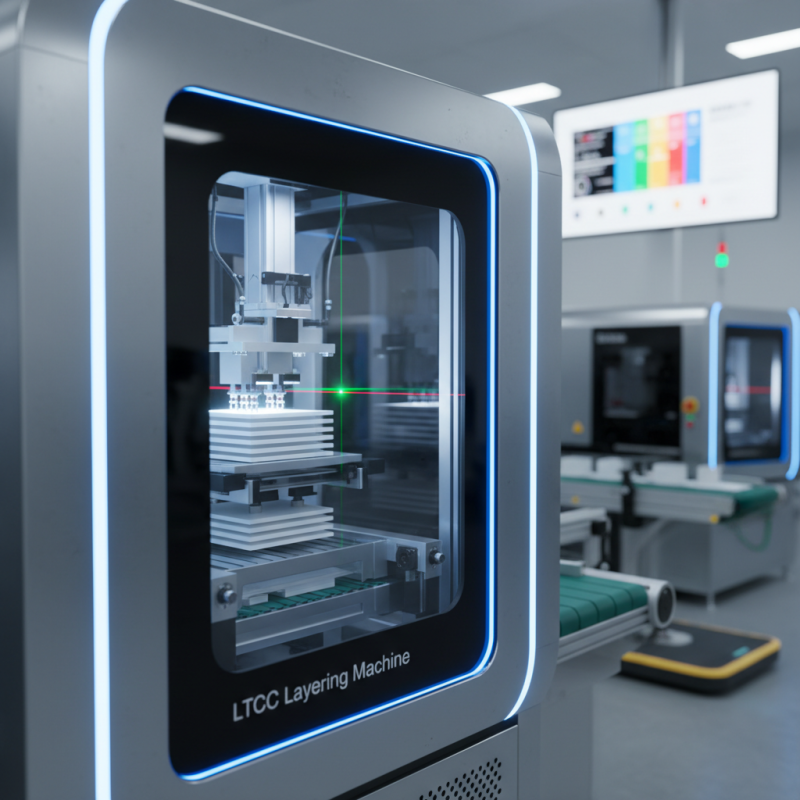
Ltcc (Low-Temperature Co-fired Ceramic) layering machines play a crucial role in modern manufacturing. They enable the production of complex electronic components, particularly in the fields of telecommunications and automotive industries. According to a report by MarketsandMarkets, the LTCC market is expected to grow at a CAGR of 6.2% from 2021 to 2026. This growth reflects the increasing demand for advanced layers in mobile devices and IoT applications.
The functionality of LTCC layering machines lies in their ability to precisely stack layers of ceramic materials. This technique allows manufacturers to create compact, efficient, and highly reliable components. Each layer is carefully controlled, ensuring optimal performance and durability. With the proper setup, these machines can produce a variety of components, including resonators and inductors, which are critical in reducing size while enhancing performance.
However, transitioning to LTCC technology may pose challenges. Initial investment can be a barrier for smaller businesses. Training staff to operate these machines is also essential. Some organizations may underestimate the complexity involved, which could lead to production issues. Adopting LTCC technology demands both a commitment to quality and an understanding of the potential learning curve in this evolving landscape.
Enhancing Production Efficiency with Ltcc Layering Machines
Enhancing production efficiency is crucial for any business. Using LTCC Layering Machines can significantly streamline your manufacturing processes. These machines automate complex tasks, reducing manual labor and minimizing errors. Improved precision is a key benefit, allowing for consistent product quality across batches.
The versatility of LTCC Layering Machines cannot be ignored. They can handle various materials and designs. This adaptability increases productivity without compromising on quality. Some businesses might struggle with the initial investment for such technology. However, the long-term savings and efficiency gains often outweigh these costs.
Integrating new machines into existing workflows poses challenges. Employees may need training, leading to temporary slowdowns. But, with proper guidance, teams can quickly adapt, enhancing overall output. Embracing LTCC Layering Machines fosters a culture of continuous improvement, ultimately benefiting your bottom line.
Cost Reduction Benefits of Implementing Ltcc Layering Machines
Implementing LTCC (Low-Temperature Co-fired Ceramic) layering machines can lead to significant cost reductions for your business. These machines operate on a precision platform, enabling manufacturers to reduce material waste. The high level of automation allows businesses to streamline production processes. This efficiency directly impacts the bottom line. With less waste, you’re investing less in raw materials.
Regular maintenance of LTCC machines is crucial. A well-maintained machine can prevent costly breakdowns. Additionally, operators should receive proper training. Skilled workers maximize efficiency and minimize errors. It might seem like an upfront cost, but the savings over time are substantial.
Consider the space your machines occupy. Compact designs save real estate costs in your production area. A well-planned layout also encourages smoother workflow. Investing in optimizing your workspace pays off. In this way, LTCC layering machines truly contribute to a more efficient business model.
Improving Product Quality Through Ltcc Layering Technology
Layered technology, particularly LTCC (Low-Temperature Co-fired Ceramics), significantly enhances product quality in various industries. This innovative method allows for integrating multiple electronic functions into a single, compact package. According to a report by the Global Research & Analytics Institute, LTCC technology improves electrical performance by 30% compared to traditional methods. Manufacturers can achieve higher density and reduce thermal stress, which directly impacts longevity and efficiency.
Utilizing LTCC layering machines also leads to better material management. The precision in layer placement not only conserves materials but minimizes waste. Data from the International Electronics Recycling Council shows that companies adopting LTCC technology reduced scrap rates by up to 15%. Yet, transitioning to this advanced technology comes with challenges. Initial investment costs can be formidable, and training staff might be time-consuming. Companies need to weigh these dilemmas against the potential quality gains.
Moreover, LTCC layering aids in thermal management, crucial for high-performance applications. It allows for the integration of heat dissipation features directly within the components. This aspect is vital as electronics become increasingly miniaturized. However, the complexity of the design process can lead to unforeseen errors if not handled carefully. This points to the need for a thorough understanding of both technology and its limitations.
Gaining Competitive Advantage in the Market with Ltcc Layering Machines
The use of LTCC (Low Temperature Co-fired Ceramic) layering machines can significantly improve your business's competitive stance. These machines enable the production of complex electronic components with high precision. This efficiency can reduce manufacturing time, allowing your business to meet demand faster.
Investing in LTCC technology can lead to enhanced product quality. Components produced with these machines exhibit better thermal stability and electrical performance. This reliability can set your offerings apart in a crowded market. However, the initial investment can be daunting for smaller businesses. It’s essential to weigh the potential long-term benefits against upfront costs.
Moreover, employing LTCC layering machines fosters innovation. With the ability to design intricate circuits, your team can create more advanced products. Yet, this technology requires skilled personnel for optimal operation. Training staff can be a challenge but pays off when the team can maximize the machine's capabilities. Balancing cost, skill, and innovation is key to reaping the full benefits of LTCC technology.
Top 10 Benefits of Using LTCC Layering Machine for Your Business
| Benefit | Description | Impact on Business |
| Increased Precision | High accuracy in layer alignment and thickness. | Enhances product quality and reduces defects. |
| Cost Efficiency | Reduction in material wastage and labor costs. | Improves overall profitability. |
| Versatility | Ability to work with various materials and designs. | Broadens product offerings. |
| Faster Production Times | Quicker setup and turnaround for manufacturing processes. | Increases capacity to meet customer demands. |
| Enhanced Durability | Produces robust layers that withstand harsh conditions. | Improves product lifespan and customer satisfaction. |
| Eco-Friendly Options | Utilization of materials with lower environmental impact. | Attracts environmentally-conscious consumers. |
| Advanced Technology | Incorporates the latest advancements in manufacturing. | Keeps business competitive in technology-driven markets. |
| Improved Flexibility | Adaptable to changes in production needs without extensive modifications. | Facilitates quick response to market changes. |
| Better Integration | Seamless integration with other manufacturing technologies. | Streamlines production processes. |
| Market Differentiation | Creates unique products not easily replicated by competitors. | Enhances brand strength and market position. |