





2026 Best Cold Air Humidifier for Buyers?
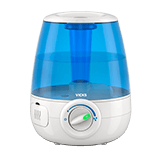
Dry winter air is easy to notice: a scratchy throat in the morning, static crackling from a sweater, or a wooden floorboard that seems louder than usual. A cold air humidifier may help add moisture, but choosing one takes more than comparing tank sizes. Buyers should consider room coverage, refill frequency, cleaning access, noise, and how the unit disperses mist. “Cold air humidifier” often refers to a cool-mist model; check the product’s specifications rather than relying on the label alone.
Indoor-air researcher Dr. Joseph G. Allen has emphasized that indoor air decisions should be guided by evidence and the conditions people actually experience. A concise paraphrase of that principle—not a verbatim quotation—is: “Treat a humidifier as one tool, and measure the room before choosing it.” That distinction matters. A compact bedroom unit may struggle in a large, open living area, while an oversized model can leave windows damp if settings are poorly managed. Look for a humidistat, an accessible water tank, and clear cleaning instructions. Small details count. A narrow tank opening can turn routine care into an awkward chore.
This guide compares options for different rooms, budgets, and maintenance habits. It also considers limitations, because no single model suits every home. The best choice is the one you can operate and clean consistently, with humidity monitored rather than guessed. One caveat: product claims and room conditions vary, so verify coverage and follow the manufacturer’s care guidance.
What a Cold Air Humidifier Is and How It Works
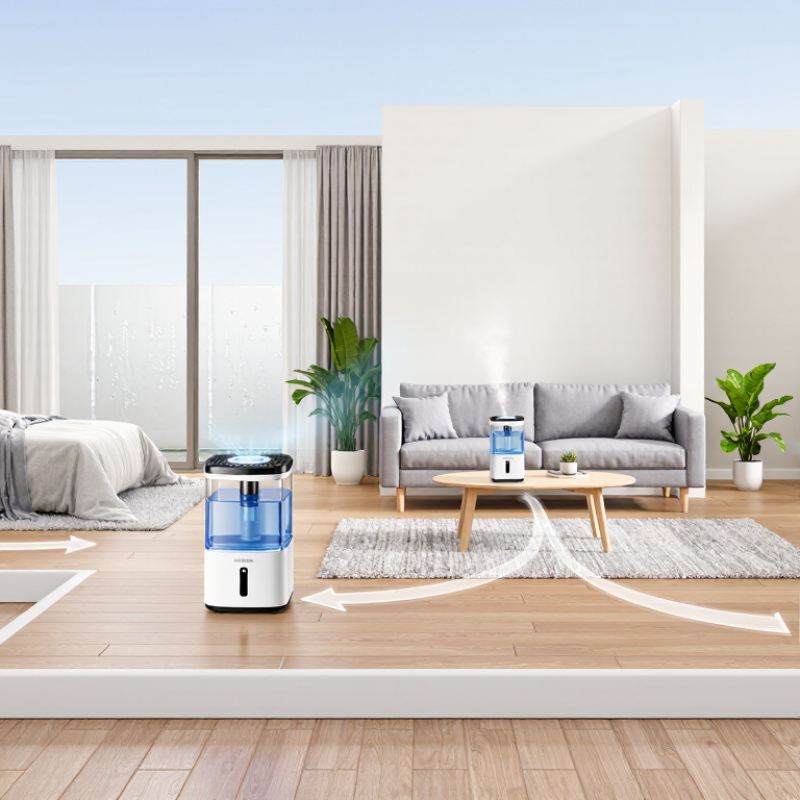
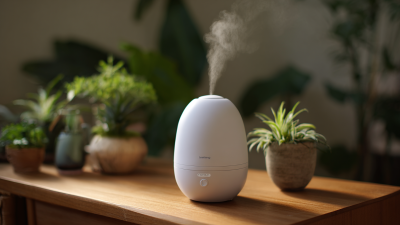
A cold air humidifier usually means a cool-mist humidifier. It adds moisture to indoor air without boiling water. Despite the name, it does not cool the room. That distinction matters on a dry winter morning, when a running unit may produce visible mist but barely change the temperature.
Most models use one of two methods. An evaporative unit pulls room air through a damp wick or filter, then sends the moistened air back out with a fan. An ultrasonic model uses a vibrating plate to create tiny water droplets that disperse as mist. The mist can look like smoke, but it is simply water. The two designs behave differently, so the same room may feel less damp with one than the other.
A humidifier adds moisture; it does not clean the air or remove dust. Tap-water minerals can leave a fine white film near some ultrasonic units. Not ideal. Emptying and drying the tank regularly helps limit stagnant water, while cleaning should follow the maker’s instructions. A small hygrometer placed away from windows and vents can show whether humidity is rising. The terminology is imperfect, and “cold air” can sound like a cooling feature. It is better understood as moisture delivered without heated steam.
2026 Best Cold Air Humidifier for Buyers? - What a Cold Air Humidifier Is and How It Works
| Dimension | What It Means | How It Works or What to Check | Buyer Consideration |
|---|---|---|---|
| Definition | A cold-air humidifier, more commonly called a cool-mist humidifier, adds moisture to indoor air without intentionally heating the water to produce steam. | Most portable models use evaporation, ultrasonic vibration, or a rotating impeller to disperse moisture. | Check the operating method, room suitability, care requirements, and instructions before choosing. |
| Evaporative operation | A fan draws air through a wet wick or filter. | Water evaporates from the wick and the fan circulates the humidified air. Mineral deposits are generally left in the wick or reservoir rather than dispersed as visible white dust. | Wicks or filters need periodic replacement, and the fan produces operating noise. |
| Ultrasonic operation | A vibrating diaphragm breaks water into fine droplets. | A fan or natural airflow carries the droplets into the room as a cool mist. | Minerals in tap water can become airborne and settle as white dust. Distilled or low-mineral water can reduce this issue; follow the manual. |
| Impeller operation | A rotating disk or similar mechanism disperses water droplets into the air. | The droplets leave the appliance as a cool mist, typically without a heating element. | Compare sound level, cleaning access, and the manufacturer's recommended water and maintenance practices. |
| Humidity target | Indoor humidity should be managed rather than maximized. | The U.S. Environmental Protection Agency advises keeping indoor relative humidity below 60%, ideally between 30% and 50%. | A built-in humidistat or a separate hygrometer can help monitor humidity and reduce the risk of excess moisture. |
| Room sizing | Humidifier coverage depends on the model's output and the room's conditions. | Compare the manufacturer's stated room area and moisture output with the room where the unit will be used. | Room size, ceiling height, ventilation, and climate can affect performance; a larger unit is not automatically better for every space. |
| Water tank and runtime | Tank capacity affects how often water needs to be added, while runtime varies with output setting and model. | Check the stated capacity and runtime, and note whether the tank opening allows easy filling and cleaning. | Use the manufacturer's runtime figures as a guide; actual operation may vary with settings and room conditions. |
| Cleaning and water care | Standing water and damp surfaces can support microbial growth if the appliance is not maintained. | Empty and refill with fresh water regularly, clean the unit as directed, and allow parts to dry when appropriate. | Choose a design with accessible tank and base surfaces. Follow the product manual for cleaning agents and schedule. |
| Placement and moisture control | Mist should be able to disperse without wetting nearby surfaces. | Place the unit on a stable, water-resistant surface with clearance from walls, electronics, bedding, and other moisture-sensitive items. | Reduce output or stop use if condensation appears on windows, walls, or other surfaces. |
| Safety and usability | Useful features may include automatic shutoff, adjustable output, a humidistat, and a low-water indicator. | Feature availability and operation vary by model, so confirm details in the product specifications and manual. | Prioritize stable construction, straightforward controls, and easy maintenance over features you are unlikely to use. |
Related Posts
-
China Top 10 Cold Humidifier Suppliers for Global Buyers?
-

How to Choose the Best Filter Free Humidifier for Your Needs
-
7 Best Cold Water Humidifiers for Global Buyers?
-

10 Best Cold Humidifiers to Improve Your Indoor Air Quality
-

Best Cold Humidifiers for 2026 Why Choose One for Your Home?
-
2025 Tech Innovations in Humidification How Best Filter Free Cool Mist Humidifiers Enhance Air Quality